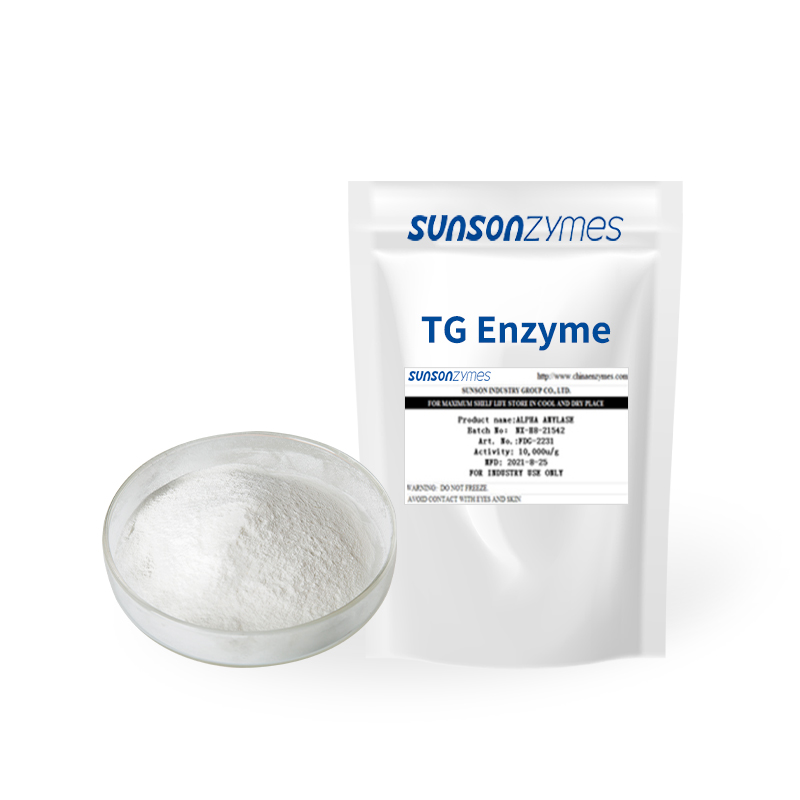
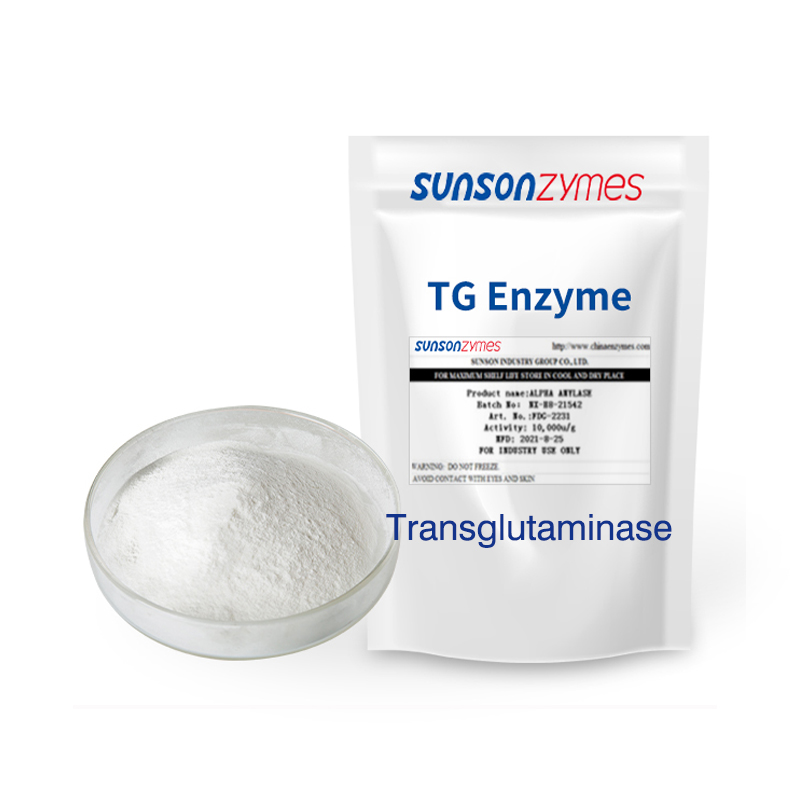
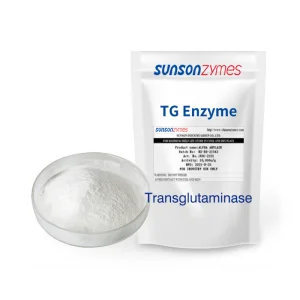
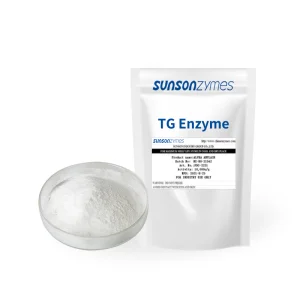
TG Enzyme Natural Food Additive Transglutaminase for Food Manufacturer as Meat Glue Formulation
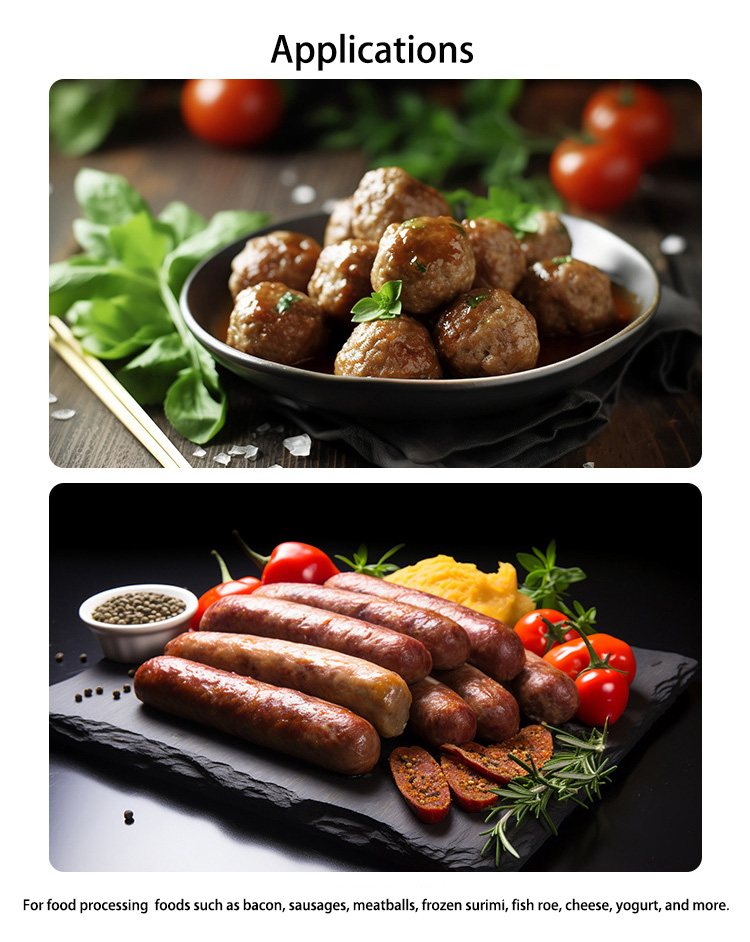
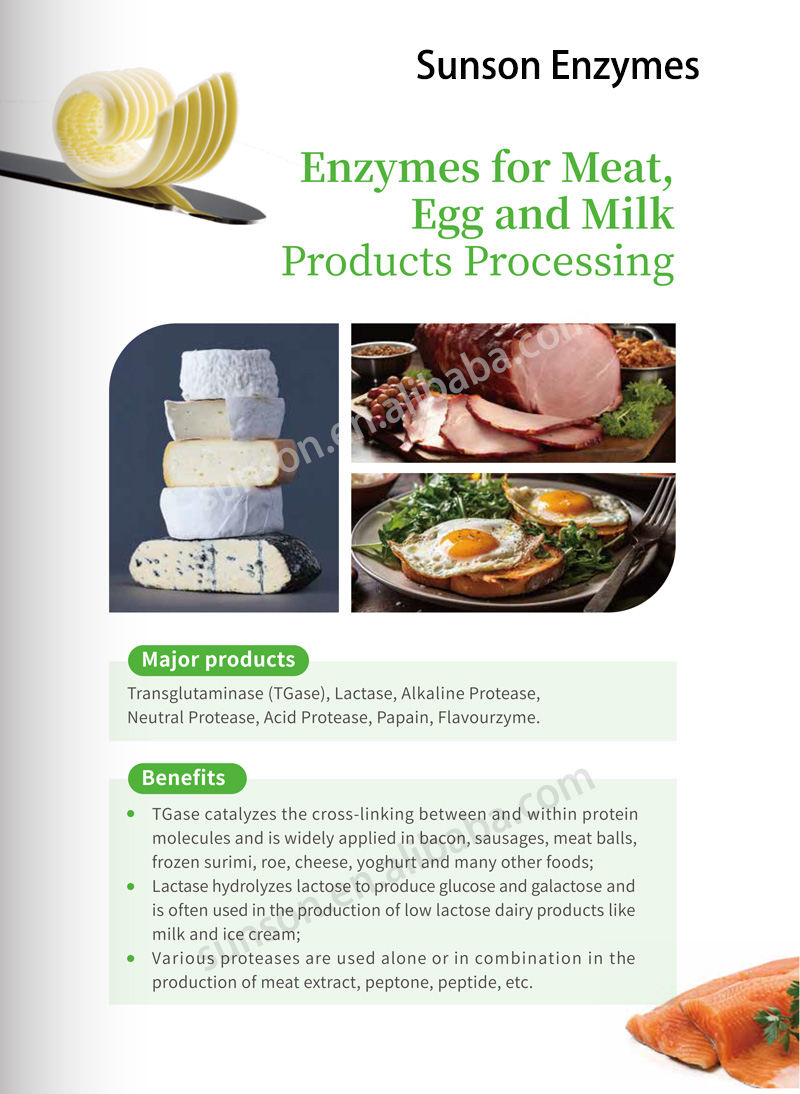
It is widely applicable in various foods such as bacon, sausages, meatballs, frozen surimi, fish roe, cheese, yogurt, and more.
Introduction
Transglutaminase (TG) is an enzyme which can catalyze the reaction of transamination. It catalyzes the L-Lysine’s r-aroylamino-hydroxybutyrate binding to the glutamic acid’s. So the covalent crosslinking among the proteins or peptides is happened and the polymer of covalent compounds is formed. In the food industry, TG is applied to improve several functional characteristics of meat and protein products, such as improving the meat’s structure, gel characteristic, elasticity, keeping the water and grease and so on. At the same time, the lysine is protected which preventing the maillard reaction.
Product Characteristics
Property
Specification Details
Declared Activity
100 u/g
Physical Form
White Powder
Odour
Normal microbial fermentation odour.
pH
5.0-8.0, optimum 6.0
Temperature
45°C - 55°C (Optimum: 50°C)
Product Specifications
Items
Lower Limit
Upper Limit
Enzymes Activity
100 u/g
-
Lead
-
5 mg/kg
Arsenic
-
3 mg/kg
Total Viable Count
-
50,000 CFU/g
Coliform Bacteria
-
30 CFU/g
Escherichia coli
-
10 CFU/g (3 MPN/g)
Salmonella
Not Detected / 25g
-
Functions & Benefits
Transglutaminase catalyzes the cross-linking and polymerization of identical or different protein molecules. This enhances properties such as cohesiveness, emulsification, gelation, thickening, and emulsion stability. Consequently, it improves the appearance, flavor, texture, and mouthfeel of protein-rich foods.
1. Application in Sausage Products
Recommended dosage: 1%-2% of the total material weight.
Reaction time: 1-3 hours.
Addition method: Add as a protein slurry (soy protein isolate: water = 1:6). Mix the transglutaminase thoroughly into the slurry via chopping, then add the slurry to the meat batter and chop until uniform. Alternatively, add the transglutaminase powder directly.
2. Application in Meatball Products
Recommended dosage: 2%-4% of the total material weight.
Reaction time: 1-3 hours.
Addition method: Add as a protein slurry (soy protein isolate: water = 1:6). Mix the transglutaminase thoroughly into the slurry via chopping, then add the slurry to the meat batter and chop until uniform. Alternatively, add the transglutaminase powder directly.
3. Application in Bacon Products
Recommended dosage: 4%-6% of the total material weight.
Reaction time: 1-3 hours.
Addition method: Dissolve transglutaminase in 5 times its weight of water. Ensure complete dissolution and use within 30 minutes.
4. Application in Restructured Meat Products
Recommended dosage: 5%-8% of the total material weight.
Reaction time: 1-3 hours.
Addition method: For powder type, sprinkle onto the meat after tumbling is complete. For soluble type, add the enzyme solution 30 minutes before the end of tumbling.
5. Application in Frozen Surimi
Recommended dosage: 1%-2% of the total material weight.
Reaction time: 1-3 hours.
Addition method: Mix transglutaminase with cryoprotectants before adding.
6. Application in Surimi Products
Recommended dosage: 1%-2% of the total material weight.
Reaction time: 1-3 hours.
Addition method: Add as a protein slurry (soy protein isolate: water = 1:6). Mix the transglutaminase thoroughly into the slurry via chopping, then add the slurry to the fish batter and chop until uniform. Alternatively, add the transglutaminase powder directly.
7. Application in Fish Roe Products
Recommended dosage: 20%-40% of the total material weight.
Reaction time: 1-3 hours.
Addition method: Mix transglutaminase powder evenly with the fish roe by sprinkling.
8. Application in Cheese Products
Recommended dosage: 1%-2% of the raw milk weight.
Reaction time: 1-3 hours.
Addition method: Dissolve transglutaminase in a suitable amount of water. Ensure complete dissolution before use.
9. Application in Yogurt Products
Recommended dosage: 0.5%-1.0% of the raw milk weight.
Reaction time: 1-3 hours.
Addition method: Dissolve transglutaminase in a suitable amount of water. Ensure complete dissolution before use.
Key Advantages
The covalent bond catalyzed by TGase is hard to rupture under the conditions of non-enzymic reactions. Once the minced meat which was treated by TGase is shaped, the shape is kept, even though it is frozen, sliced, or cooked.
Packaging, Storage & Safety
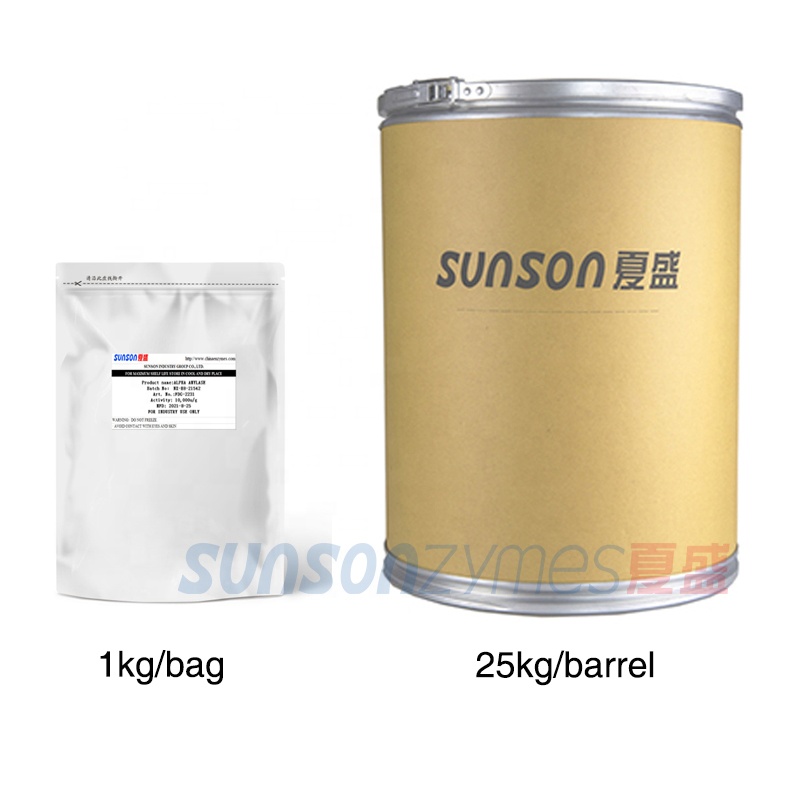
Package: 25kg/jerry can.
Storage: Keep sealed in a dry and cool place and avoid direct sunlight.
Shelf life: 12 months in a dry and cool place.
Safety Info: Enzyme preparations are proteins, which may induce sensitization and cause allergic type reactions in sensitized individuals. Prolonged contact may cause minor irritation for skin, eyes or nasal mucosa, so any direct contiguity with human body should be avoided. If irritation or allergic response for skin or eyes develops, consult a doctor.
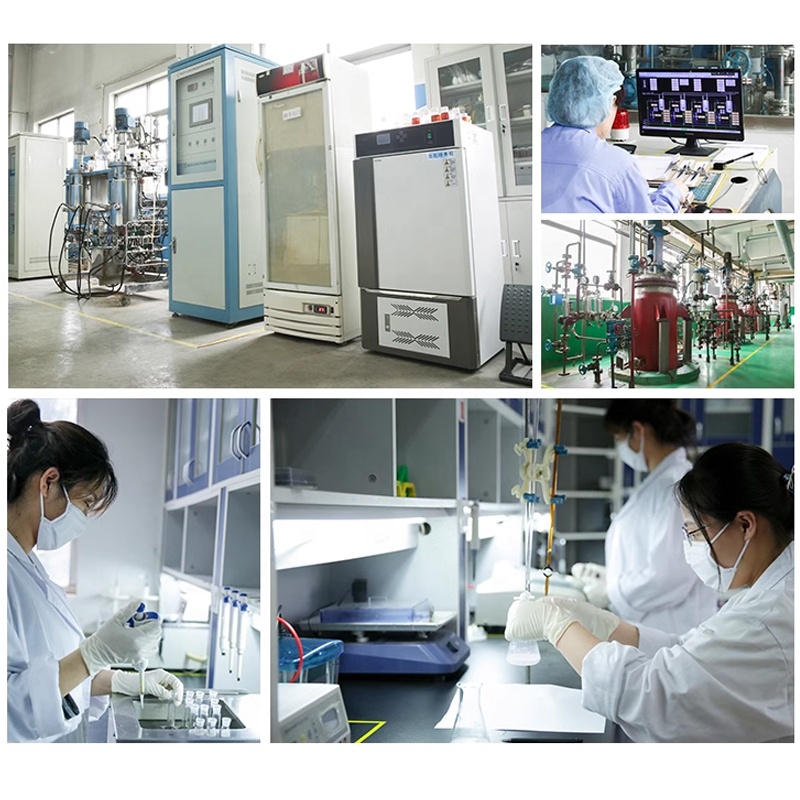
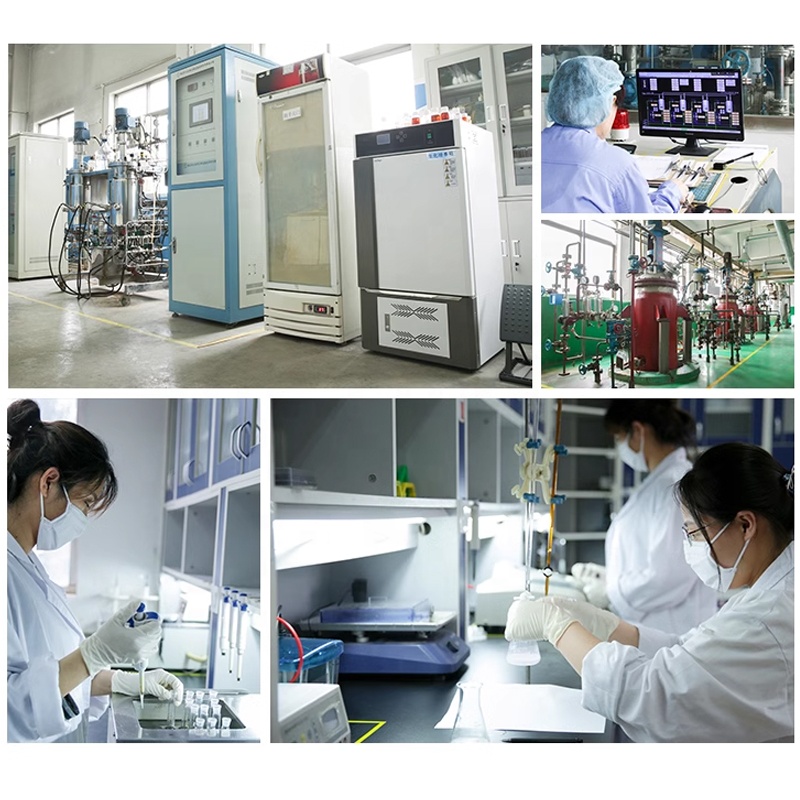
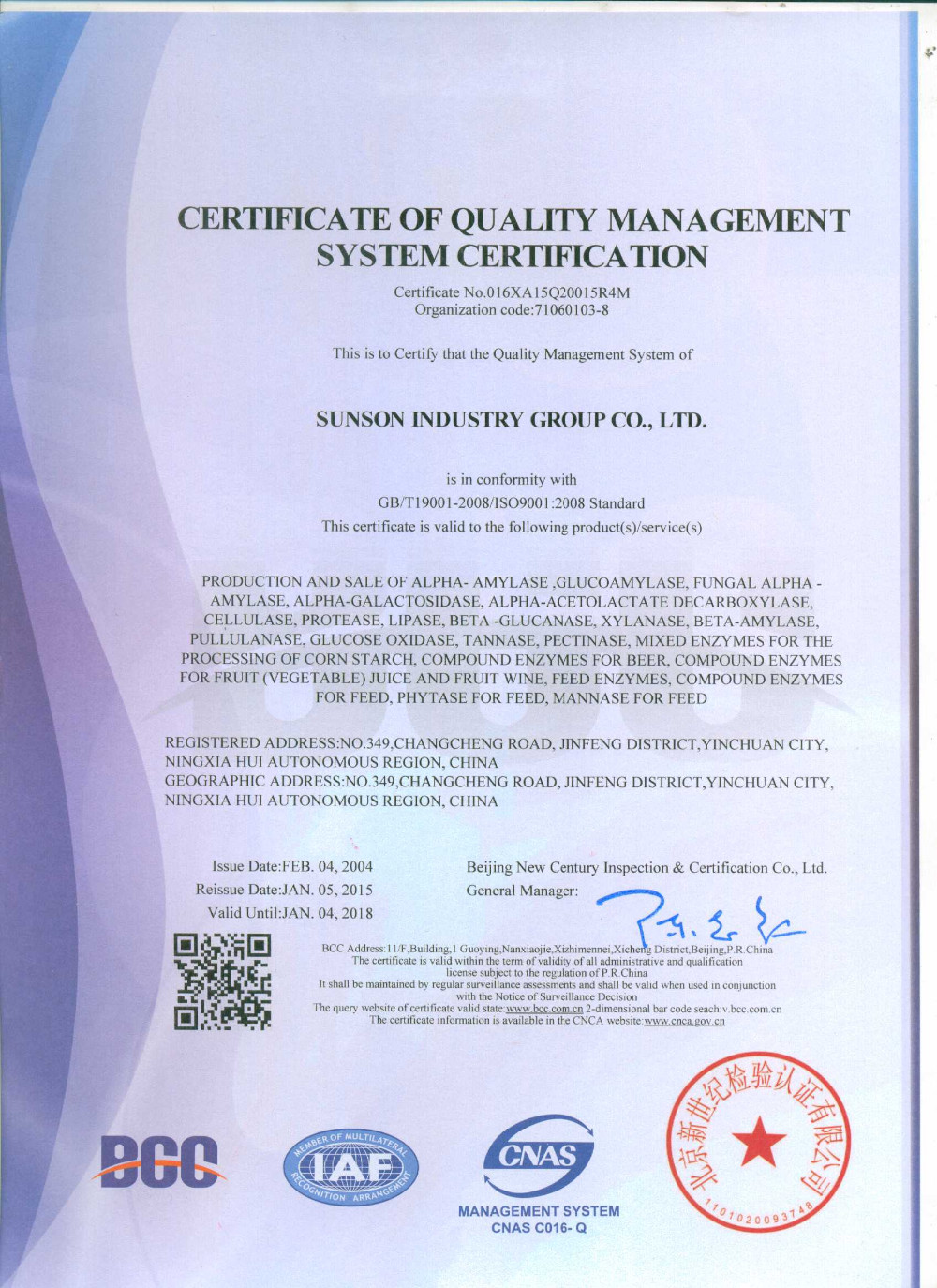
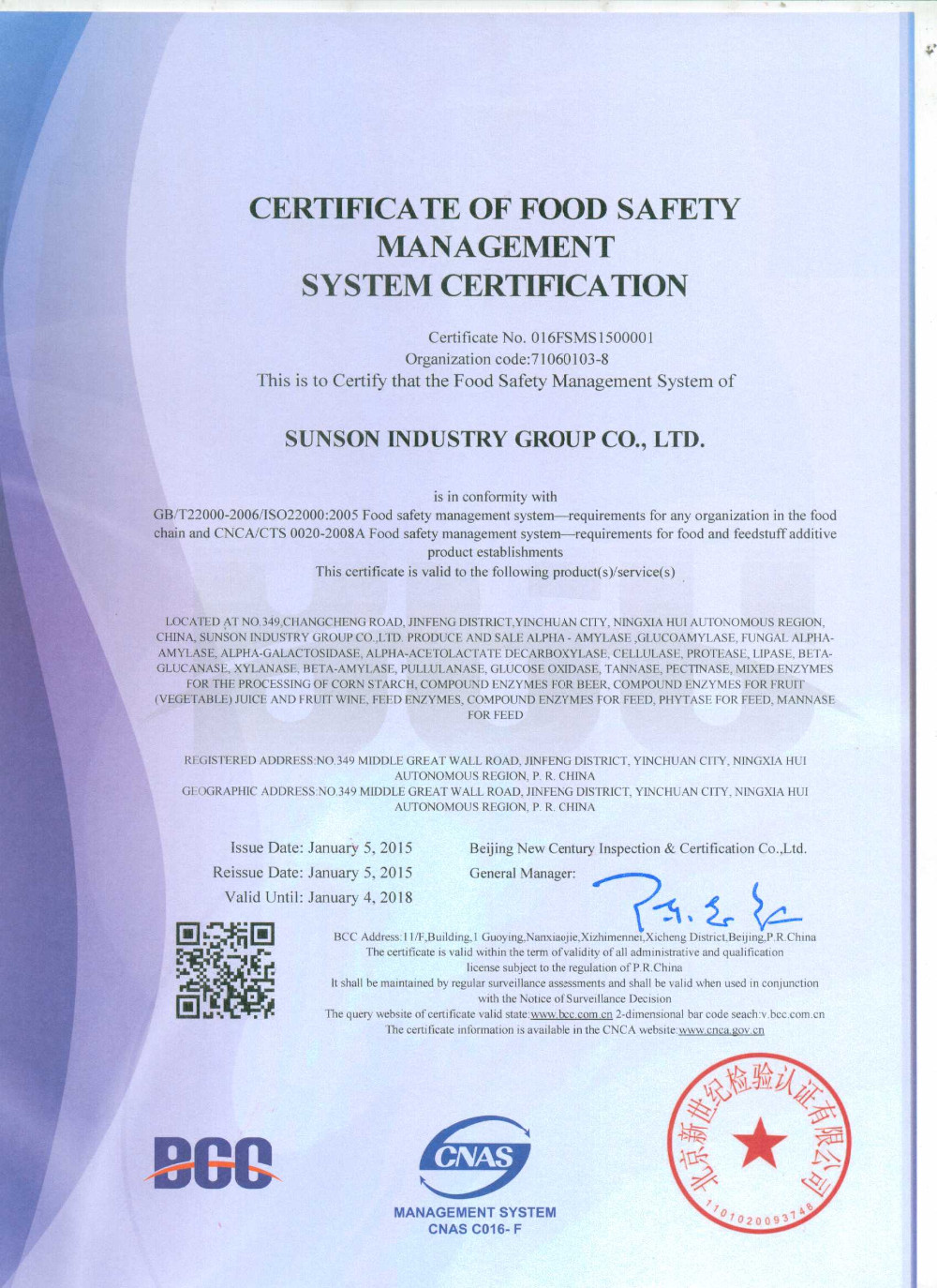
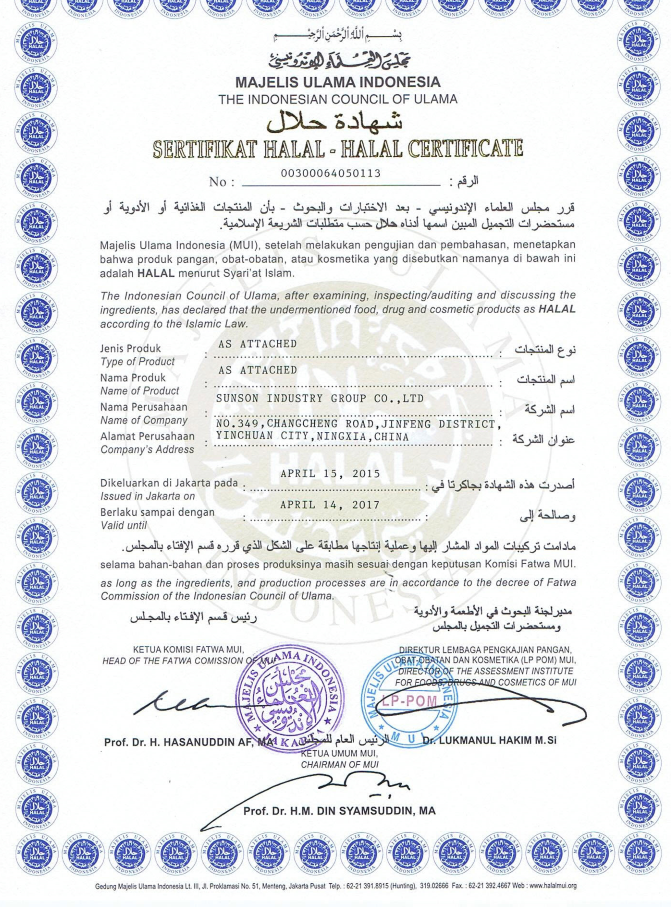
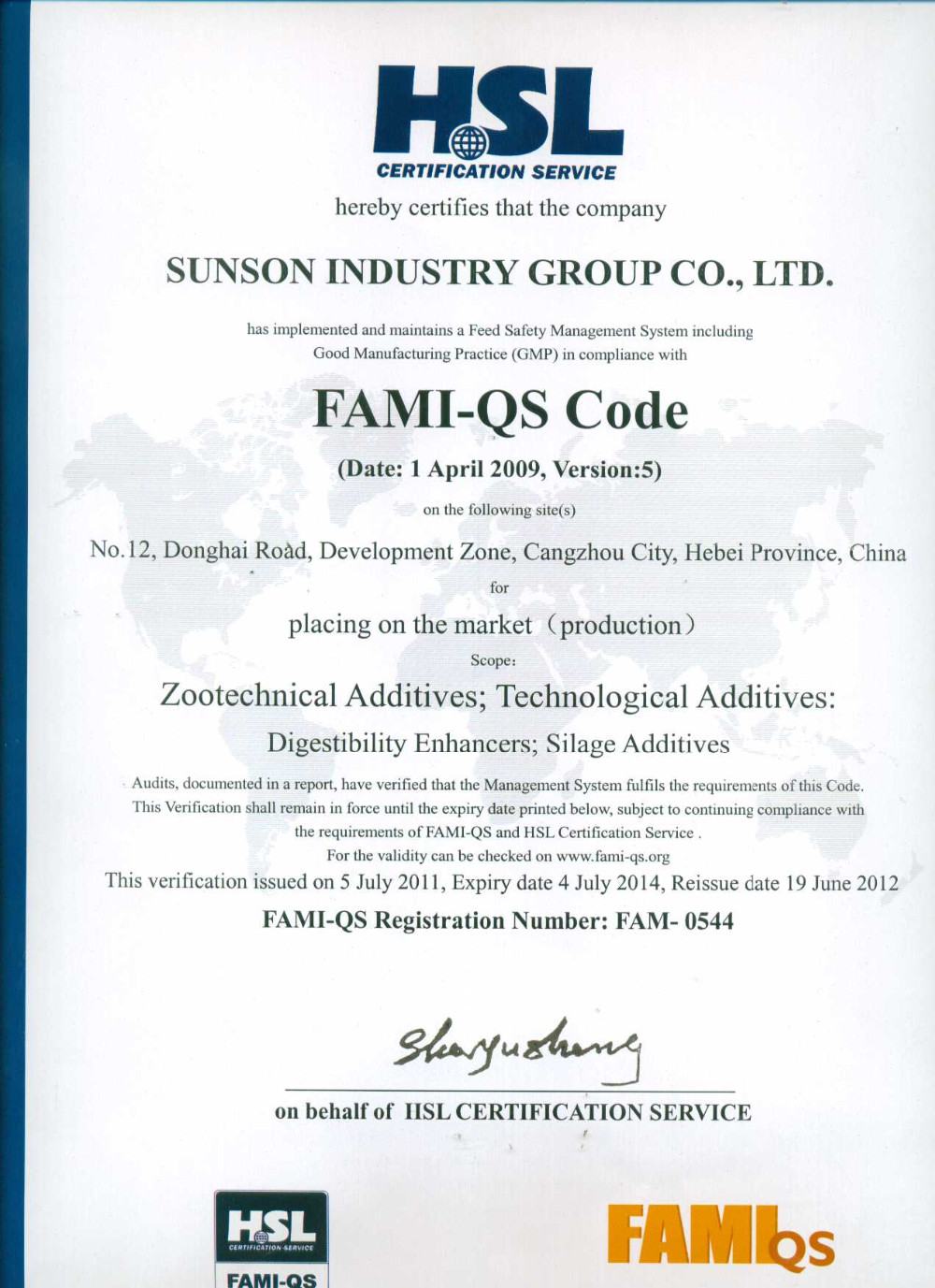
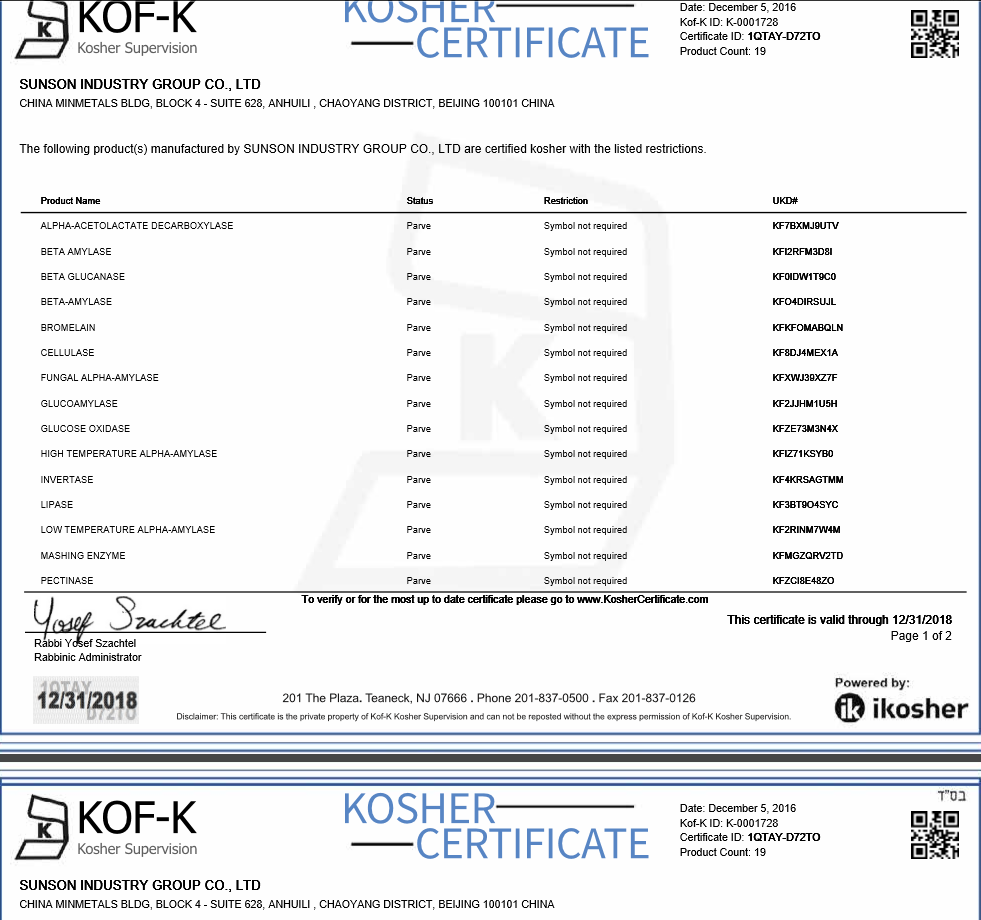
Production Quality & Certificates
Our Service
Any inquiries will be replied by our team within 12 hours.
Dedication to quality, supply & service.
Strict standards on selecting raw materials.
OEM/ODM processing services available.
Reasonable & competitive pricing with fast lead times.
Samples available for evaluation & formulation development.
Faster delivery: Sample order in stock, 3-7 days for bulk production.
Strong logistics cooperation with DHL, FEDEX or custom shippers.
Frequently Asked Questions
What is Transglutaminase (TG) and how does it act as "Meat Glue"?
Transglutaminase (TG) is a natural enzyme that acts as a bonding agent by catalyzing cross-linking reactions between proteins. It binds the L-Lysine and glutamic acid components within proteins, effectively fusing pieces of meat together and stabilizing structure, texture, and mouthfeel.
What are the optimum temperature and pH ranges for this enzyme?
Our TG enzyme exhibits optimum activity at a temperature of 50°C (effective working range 45°C - 55°C) and at an optimum pH of 6.0 (effective working range 5.0 - 8.0).
What is the typical dosage for sausages, meatballs, and restructured meat?
The recommended dosages of the total material weight are: 1%-2% for sausage products, 2%-4% for meatball products, and 5%-8% for restructured meat products. The optimal dosage should be adjusted depending on the specific formulation.
How should the enzyme be stored to preserve its shelf life?
The enzyme should be kept sealed in a cool, dry place away from direct sunlight. It has a shelf life of 12 months when stored properly under these conditions.
Is the covalent bond formed by TGase stable during cooking or freezing?
Yes, the covalent bonds formed by TGase are highly stable and resistant to rupture during freezing, slicing, heating, or cooking. Once shaped, products retain their structure through standard food processing and culinary preparations.
 Diaries Biotech