Explore our high-purity functional botanical extracts and raw materials supplied globally
Why procurement and formulation executives are rapidly shifting away from artificial colorants to clean-label alternatives
With the European Food Safety Authority (EFSA) banning Titanium Dioxide (E171) and continuous regulatory scrutiny on Azo dyes (such as Red 40, Yellow 5, and Yellow 6), global FMCG brands are transitioning to plant-derived and microalgae-based coloring agents. Establishing direct procurement with certified, high-capacity factories is critical for maintaining supply-chain continuity.
Achieving multi-jurisdictional compliance requires strict documentation including FSMA, USDA Organic, EU Organic, Kosher, and Halal certifications. Tier-1 manufacturers provide fully traceable supply chains to survive stringent border inspections.
Natural pigments, specifically Anthocyanins and Carotenoids, are susceptible to degradation. Modern extraction plants employ advanced stabilization technologies (such as microencapsulation and co-pigmentation) to ensure longevity in final applications.
To mitigate geopolitical and logistic variables, buyers prioritize manufacturers offering localized warehousing, rapid lead times, and comprehensive customs clearance support.
An objective benchmark blueprint for supply chain and procurement professionals evaluating manufacturing partners
Leading exporters maintain contract farming setups. Raw materials like beetroot, marigold flowers, and spirulina must have strict pesticide and heavy-metal tracking from farm to factory gates.
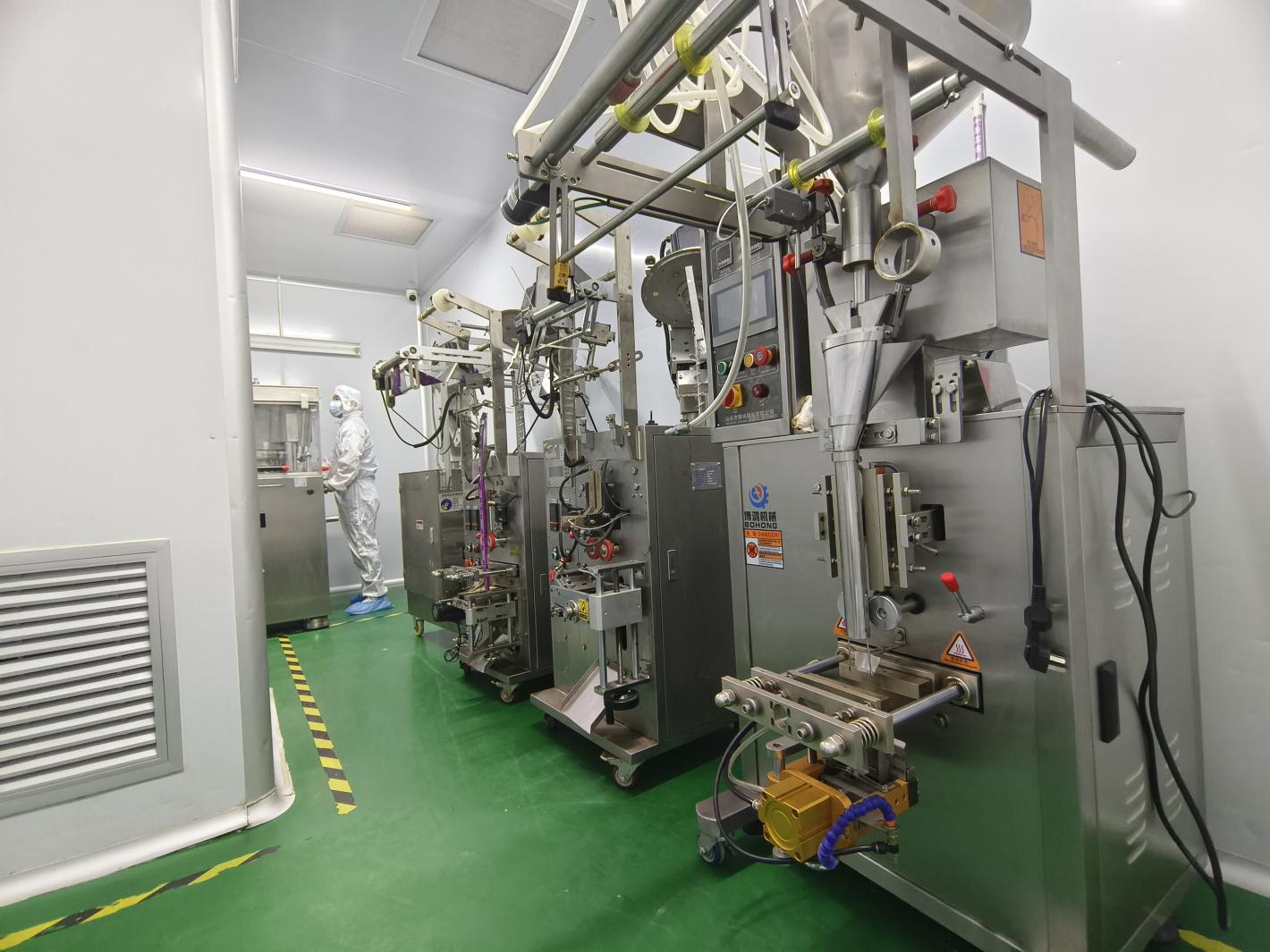
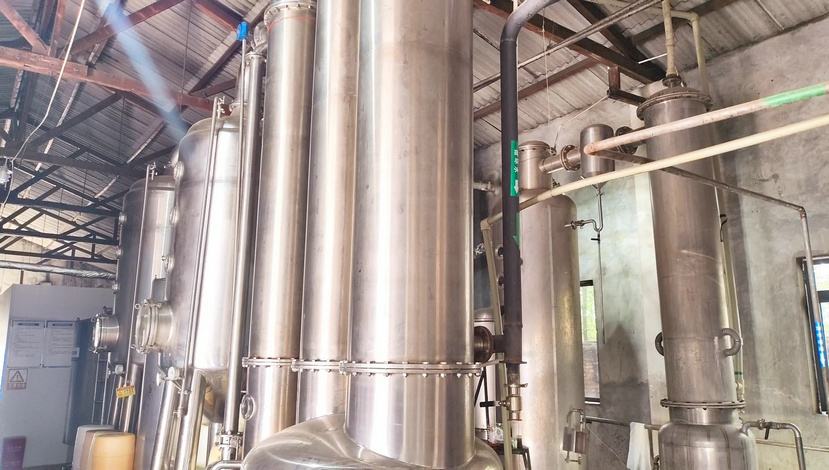
Evaluation of hardware: Supercritical CO2 extraction, membrane filtration, and low-temperature vacuum evaporators. Clean extraction prevents thermal damage and residual chemical solvent contamination.
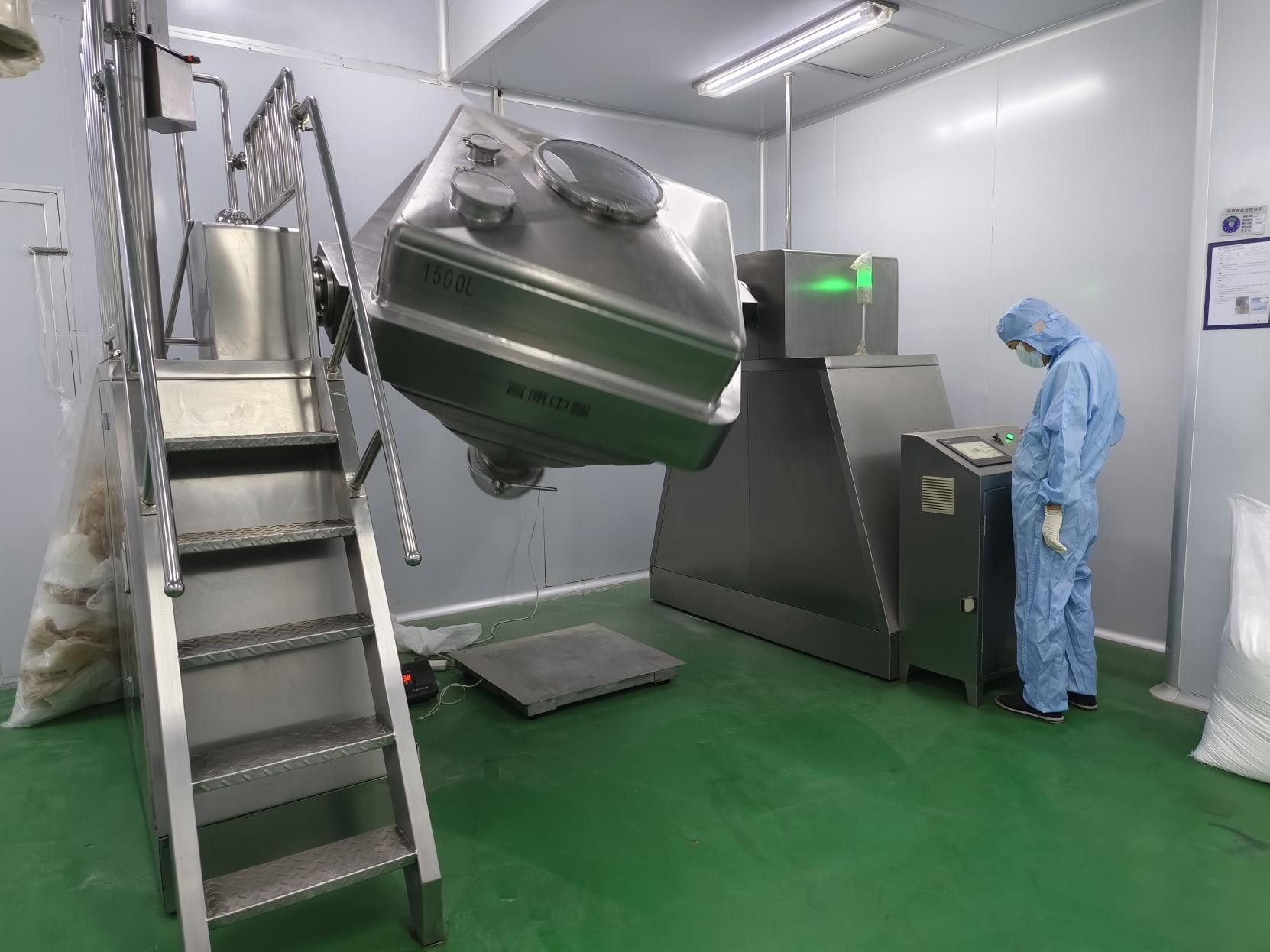
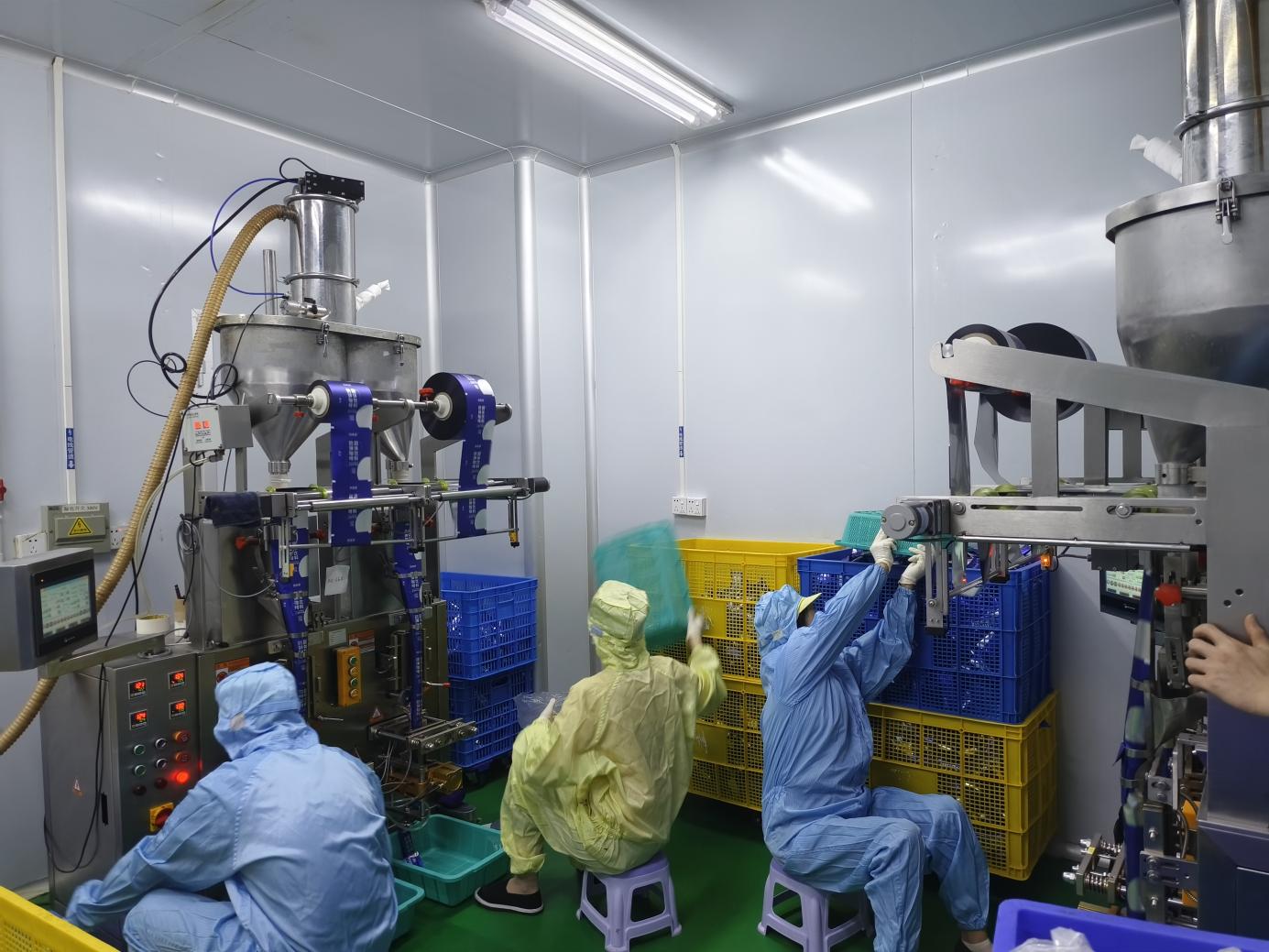
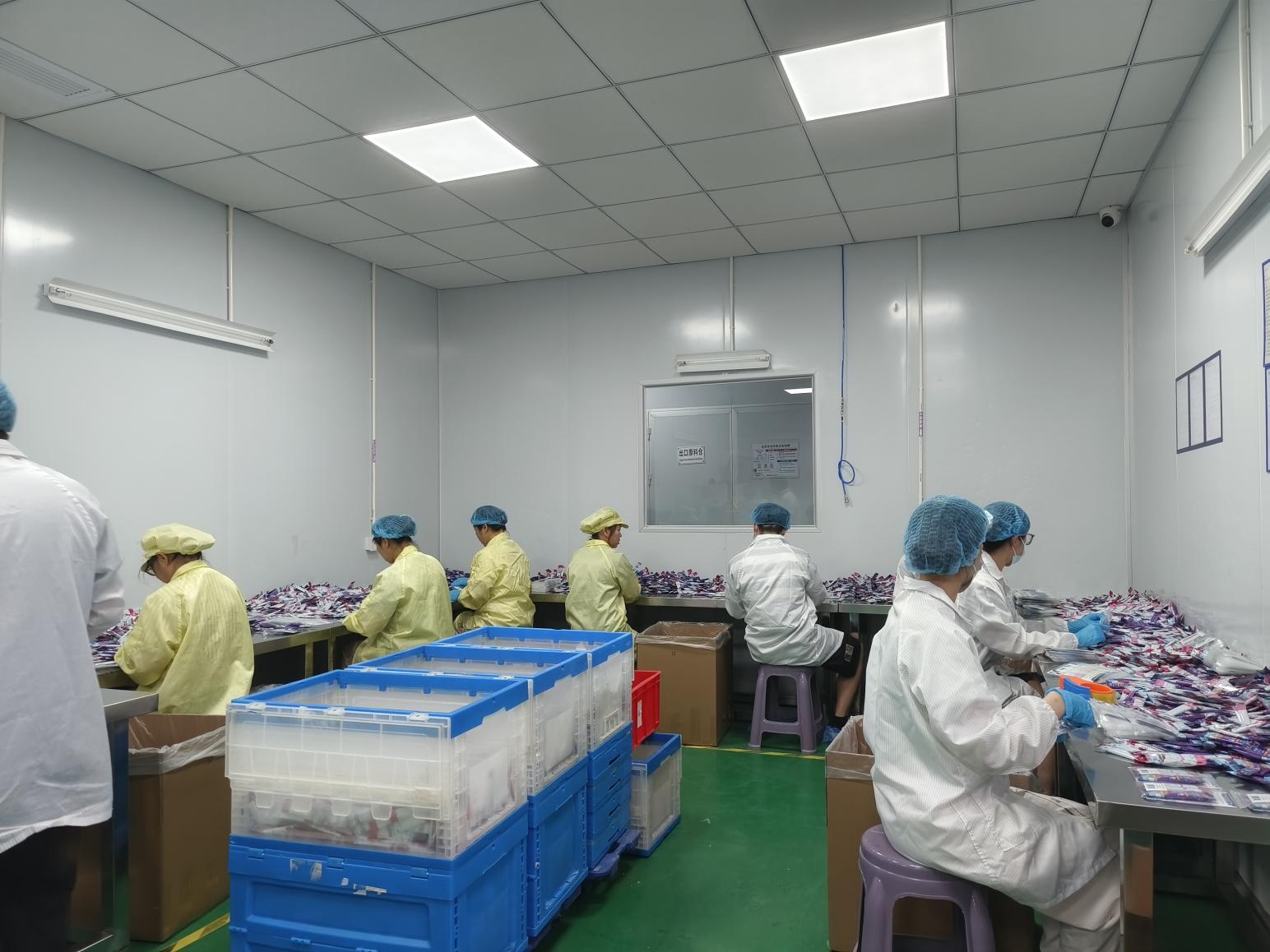
A baseline standard. Plants must operate cleanroom packaging zones (Class 100,000) preventing microbiological contamination, which is critical for food and beverage formulations.
Natural plants vary by crop. A qualified factory must standardise batches using spectrophotometer testing to maintain identical color values (E-value) across shipments.
Providing both oil-dispersible and water-soluble options (e.g., modified starches or polysorbate formulations for carotenoids) is vital for diverse applications like dairy and confectionery.
Advanced spray drying systems that coat active pigment molecules in maltodextrin or gum Arabic, isolating them from oxygen, light, and heat for extended shelf life.
The capacity to develop custom shades (pantone matching) by blending primary natural colors (reds, yellows, blues) under strict laboratory parameters.
Eco-friendly waste treatment (sludge processing, water recycling) and carbon emission control during extraction processes. Buyers prioritize ESG compliance.
Immediate availability of SDS (Safety Data Sheets), COA (Certificate of Analysis), GMO Statements, Allergen Declarations, and Heavy Metal test sheets.
Established partnerships with international freight forwarders, dry-container and cold-chain shipping setups, and customs clearance profiles in destination markets like North America and the EU. This ensures that sensitive botanical shipments are not delayed at ports, which could risk degradation of active pigments.
Analyzing how industrial clustering and technology drive China's dominance in the global natural colorants market
China’s diverse climates allow massive agricultural cultivation of key color-source plants. From Shaanxi's rich herbal and berry production to specialized marigold cultivation in northern provinces, Chinese factories are situated directly adjacent to crop production zones. This eliminates high raw material transport costs and minimizes degradation prior to processing.
Chinese manufacturers have invested heavily in automated, continuous counter-current extraction systems and industrial-scale chromatographic columns. This level of scale drives down processing costs per unit, passing significant economic advantages to global food, cosmetic, and nutraceutical brands.
A premier high-tech enterprise specializing in natural raw materials and global distribution
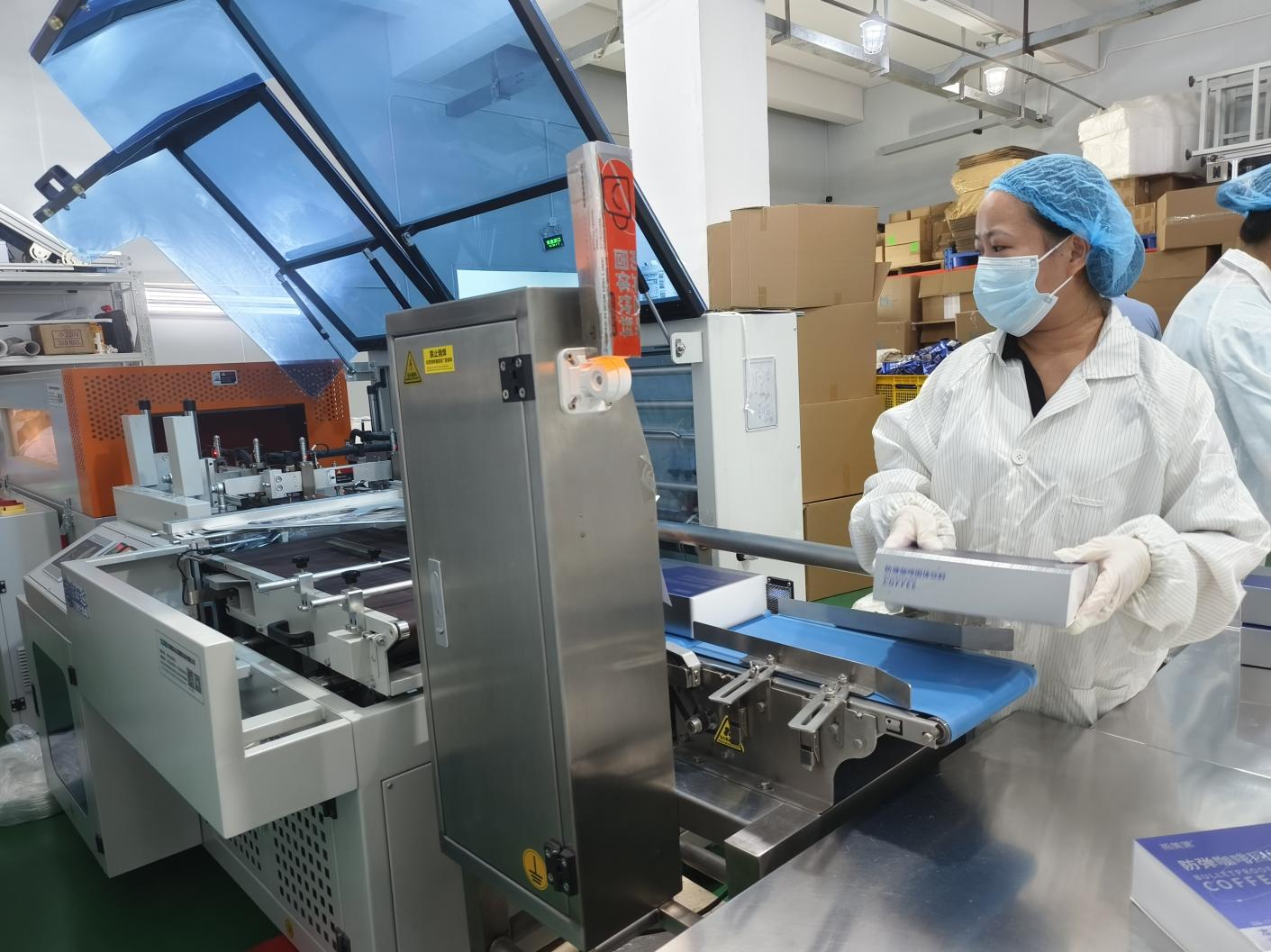
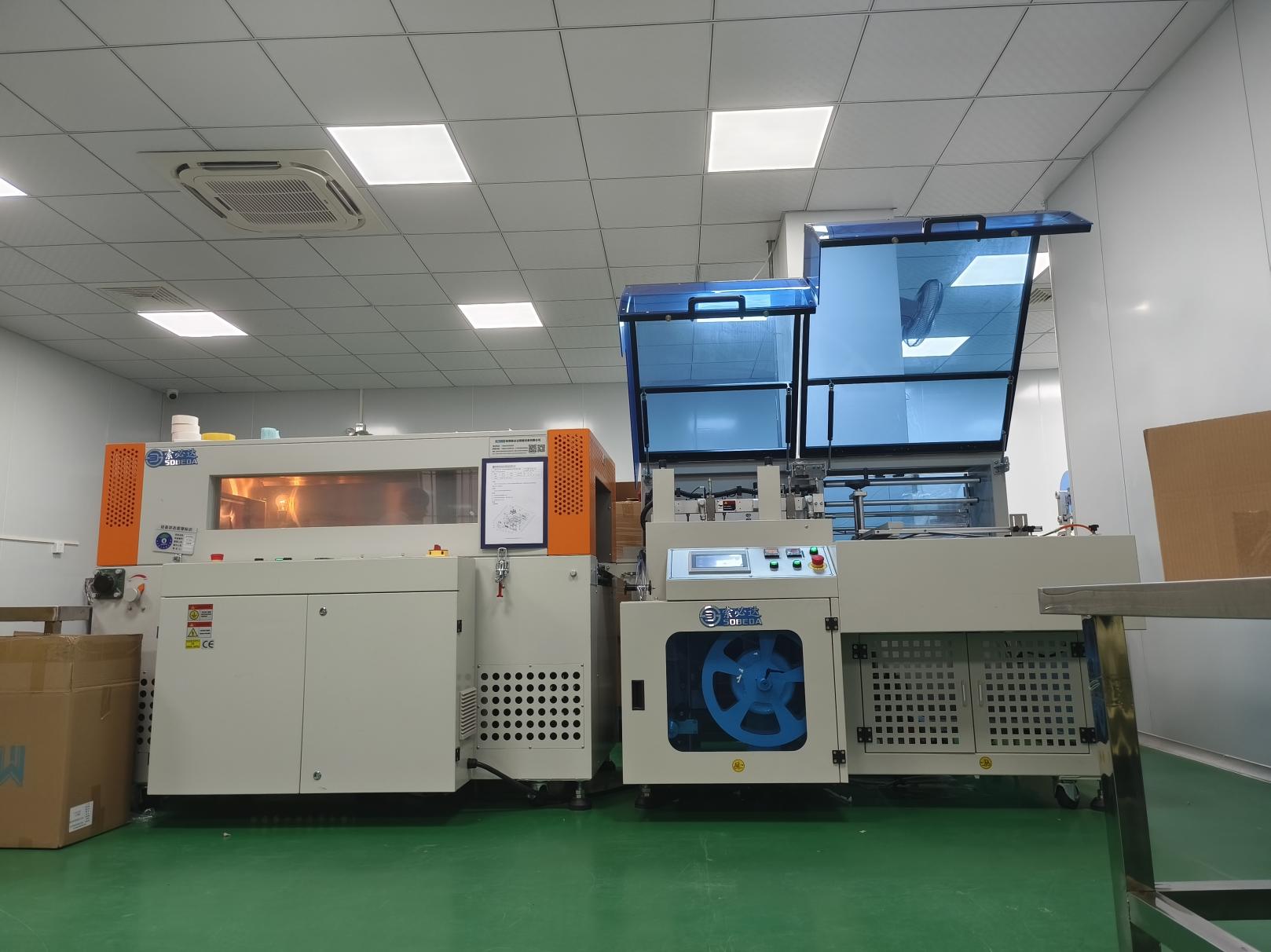
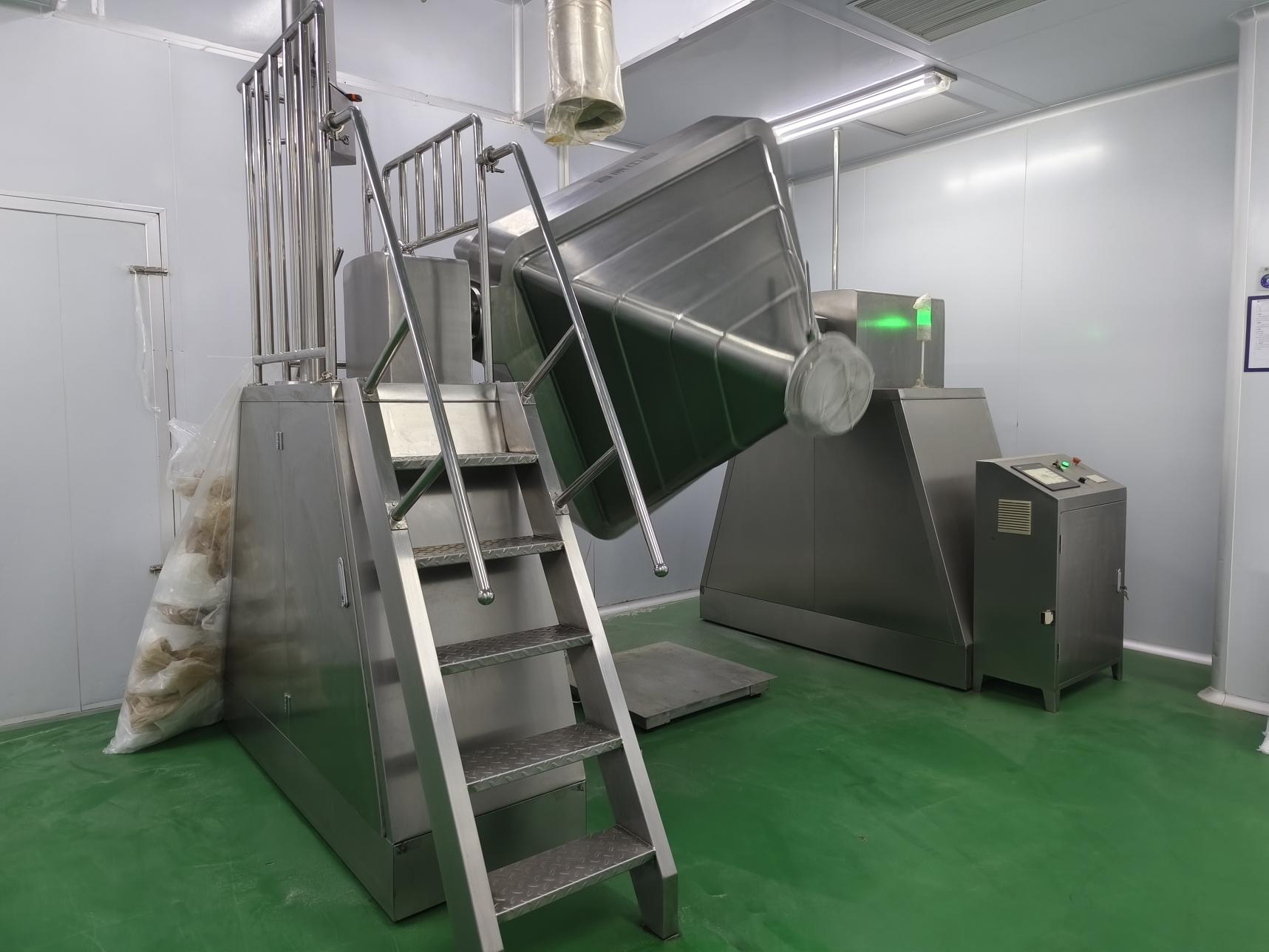
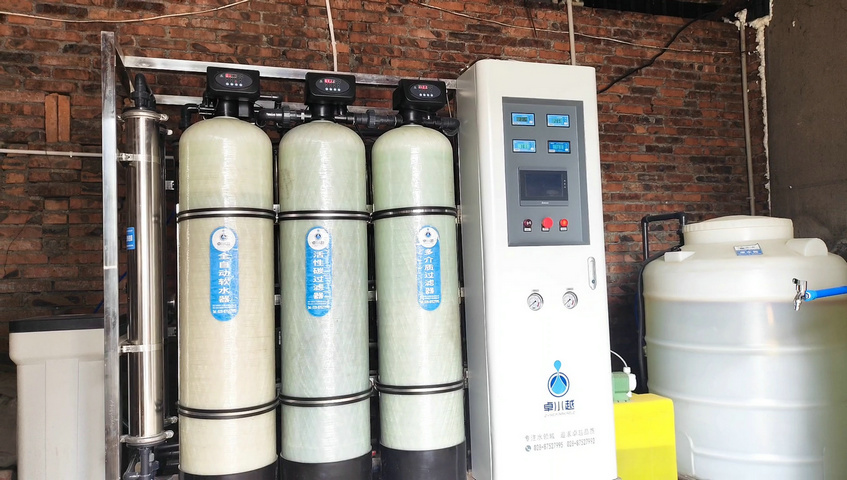
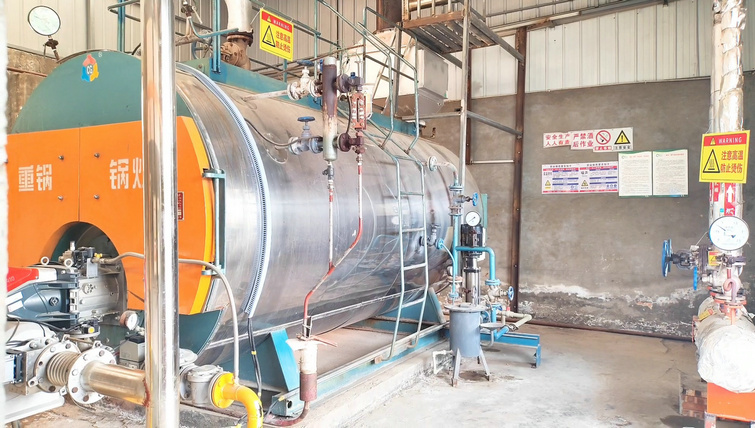
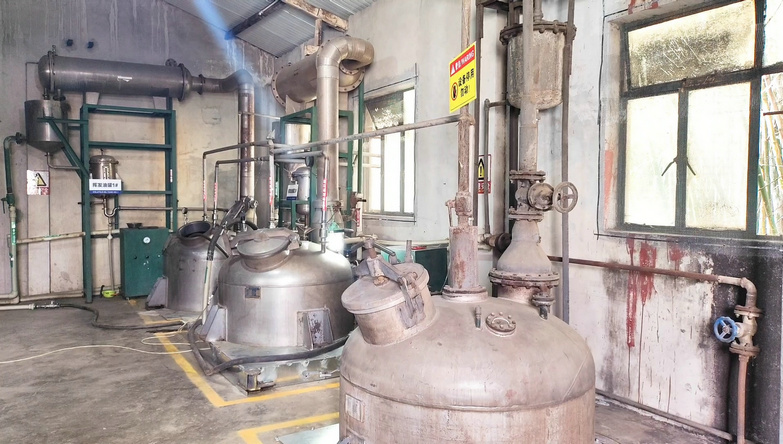
Shaanxi Diaries Biotech Co., Ltd. is a modern high-tech enterprise specializing in the research and development, production, and global distribution of plant extracts, natural raw materials, and functional ingredients for the health, food, and cosmetic industries. Located in Xi’an, Shaanxi Province, China, our production base covers an area of over 70,000 square meters and is equipped with six advanced plant extraction production lines, fine extraction workshops, and modern processing facilities.
We operate under strict GMP-compliant manufacturing systems, ensuring that every stage—from raw material selection and extraction to final packaging—is carefully controlled and standardized. Our facilities are supported by a modern quality inspection and testing center. Most of our products are certified under globally recognized systems, including: HACCP, ISO22000, ISO9001, USDA Organic, EU Organic, Kosher, Halal, and FDA compliance.
How specific global industry segments utilize natural colorants to formulate competitive products
Requires highly water-soluble, acid-stable pigments (such as purple sweet potato anthocyanin or phycocyanin). Procurement priorities: Minimal sediment formation, low heat-loss during pasteurization, and neutral taste profiles to protect the delicate flavor notes of premium drinks.
Demands heat-resistant color pigments that survive high-temperature baking (up to 200°C) or syrup boiling. Microencapsulated beta-carotene and heat-stable carmine alternatives are key to ensuring bright visual colors without thermal fading.
Focuses on skin-friendly, non-staining colorants for clean beauty creams and lipsticks. Heavy metal limitations are exceptionally low, requiring high-grade purification of extracts such as red beet betalains and green chlorophyll complexes.
Addressing the technical, regulatory, and logistical considerations of industrial botanical extraction sourcing
Premium auxiliary ingredients, antioxidants, and manufacturing equipments for pharmaceutical and nutritional production
 Diaries Biotech