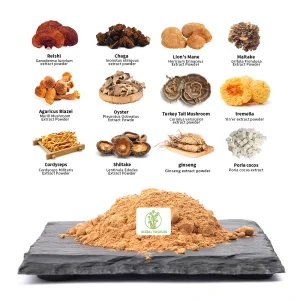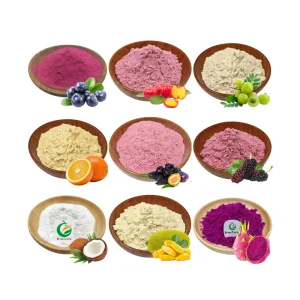
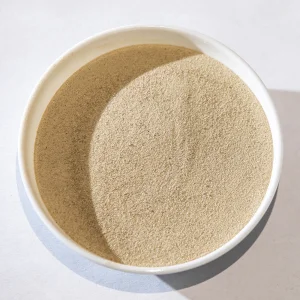
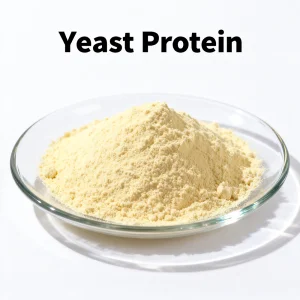
As a modern, high-tech enterprise at the forefront of biochemical processing, Shaanxi Diaries Biotech Co., Ltd. specializes in the extensive research, development, custom formulation, and global distribution of premium plant extracts, functional natural food ingredients, and clean-label biological emulsifying agents.
Headquartered in the historic biotechnology hub of Xi'an, Shaanxi Province, China, we bridge the gap between traditional botanical resources and advanced biochemical isolation techniques. Over years of focused manufacturing development, we have successfully forged sustainable supply pathways, serving as a trusted strategic partner for over 5,000 corporate clients spanning 80+ countries.
Our product architectures are engineered to support the evolving clean-label demands of the health supplement, functional food and beverage, high-end personal care, and modern agricultural sectors. By combining strict GMP compliance with state-of-the-art biological refinement equipment, we guarantee outstanding reliability, trace-level safety control, and optimized functionality in every product batch.
Exploring the biochemical shift from synthetic surfactants to high-performance, plant-based thermodynamic stabilizers.
In the modern manufacturing landscape of food, cosmetics, and pharmaceuticals, emulsification stands as a foundational physical chemistry challenge. Emulsions—thermodynamically unstable dispersions of immiscible phases (typically water and oil)—require stabilizing agents to lower interfacial tension, prevent coalescence, and delay phase separation.
For decades, synthetic chemical surfactants (such as polyoxyethylene sorbitan fatty acid esters, colloquially known as polysorbates, and PEG-based esters) dominated global procurement. However, modern clinical research, coupled with shifts in consumer health awareness and stringent European and American environmental legislation, has driven a paradigm shift towards bio-based, natural emulsifying agents.
The technical development pathway of natural emulsifiers is structured around three primary categories of biopolymers:
A core frontier in Shaanxi Diaries Biotech's technical roadmap is the development of Pickering Emulsions. Unlike conventional surfactant-stabilized systems, Pickering emulsions are stabilized by solid, sub-micron, colloidal particles—such as microcrystalline cellulose or modified pea protein isolates—which adsorb irreversibly at the oil-water interface.
This solid-particle barrier exhibits extreme resistance to changes in temperature, pH, and high ionic concentrations. This makes it an ideal formulation mechanism for encapsulation, preventing active ingredient oxidation, and enabling the controlled release of highly volatile compounds.
Reliance on crude agricultural inputs (native starches and crude lecithins) with low emulsification indexes and high sensitivity to thermal degradation.
Introduction of chromatography and enzymatic hydrolysis to isolate targeted surfactant proteins (e.g. pea peptides, yeast isolates) with defined molecular weights.
Applying physical and enzymatic cross-linking to optimize molecular configuration, optimizing the balance of hydrophobic and hydrophilic domains.
Developing complex coacervates combining proteins and polysaccharides, offering exceptional chemical stability and highly targeted nutrient delivery.
Solving complex viscosity, suspension, and biological compatibility challenges across diverse global sectors.
Consumers demand the elimination of synthetic additives from food matrices. Our plant-derived emulsifiers (such as pea peptides and yeast isolates) provide robust stabilization in non-dairy milks, protein drinks, bakery items, and salad dressings. They maintain stable mouthfeel and prevent fat separation under pasteurization.
Developing luxurious skin-feel profiles requires precise interfacial tension control. Our bio-emulsifying agents exhibit excellent skin-barrier biocompatibility, facilitating the formation of stable lamellar gel structures in skincare creams, anti-aging serums, and sensitive-skin lotions.
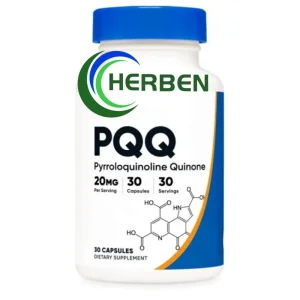
Improving the bioavailability of lipophilic health ingredients (such as CoQ10, fat-soluble vitamins, and PQQ) is a critical challenge. Our natural emulsifying agents form micro-emulsions that safeguard active payloads through stomach acids, accelerating absorption in the intestinal tract.
| Emulsifier Base | Origin Source | Ideal HLB Value Range | Primary Stabilization Mechanism | Thermal & pH Tolerance |
|---|---|---|---|---|
| Pea Peptide Isolates | Pisum sativum | 11.0 - 14.0 (O/W) | Steric hindrance, strong viscoelastic interfacial film | Highly stable at pH 4.0 - 8.0; tolerates standard pasteurization |
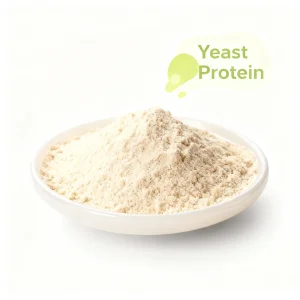
| Yeast Protein Isolate | Saccharomyces cerevisiae | 10.0 - 13.0 (O/W) | Rapid adsorption kinetics, forming highly resilient membranes | Excellent thermal stability; optimal at neutral pH ranges |
| Gum Arabic / Acacia Gum | Acacia senegal tree sap | 8.0 - 12.0 (O/W) | Aqueous phase viscosity modification & electrosteric stabilization | Very high acid tolerance; stable in high-electrolyte formulations |
| Soy / Sunflower Lecithins | Oilseed processing | 4.0 - 9.0 (W/O & O/W) | Thermodynamic interfacial tension drop via low-MW amphiphiles | Susceptible to lipid oxidation; highly pH sensitive |
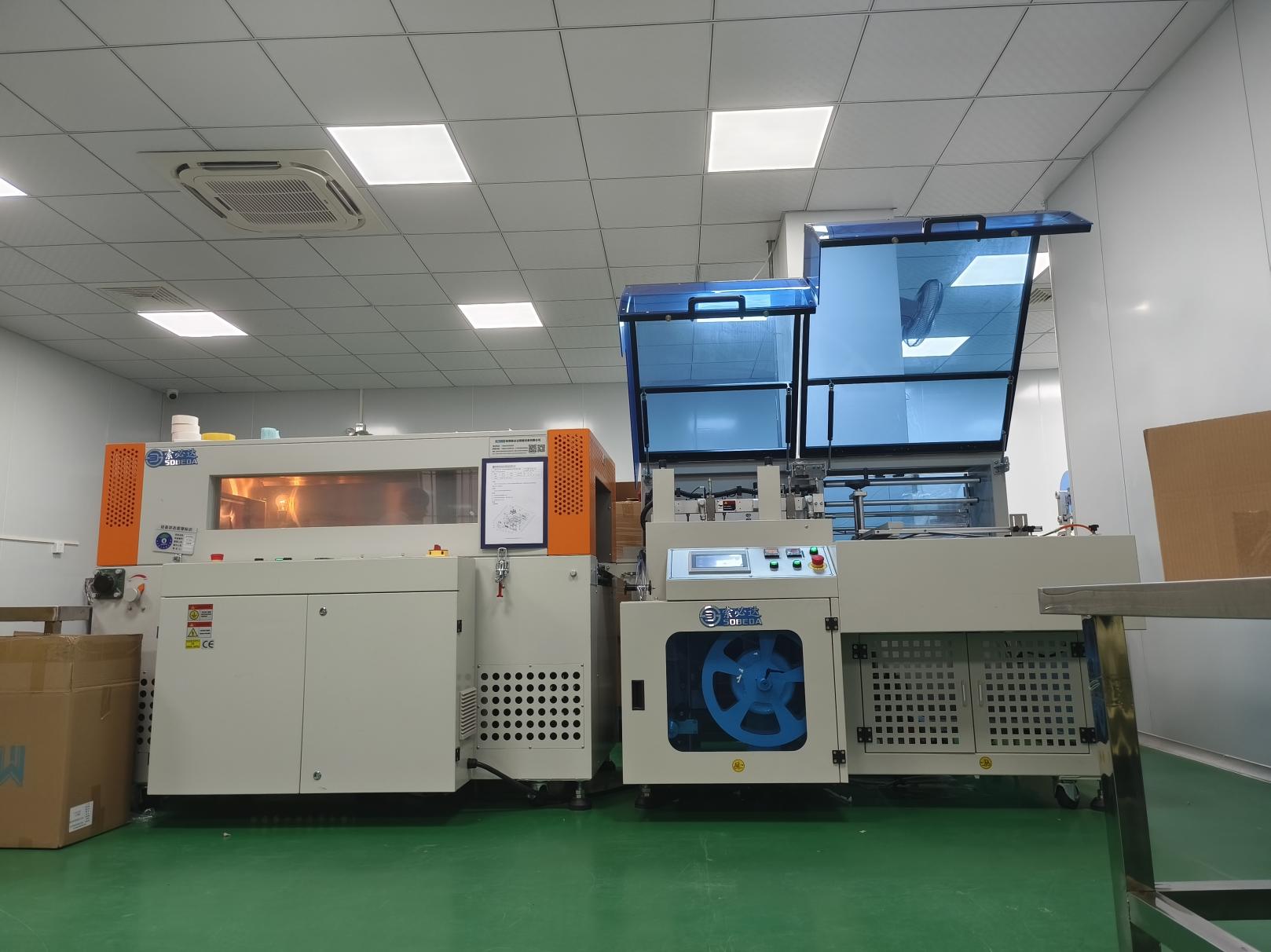
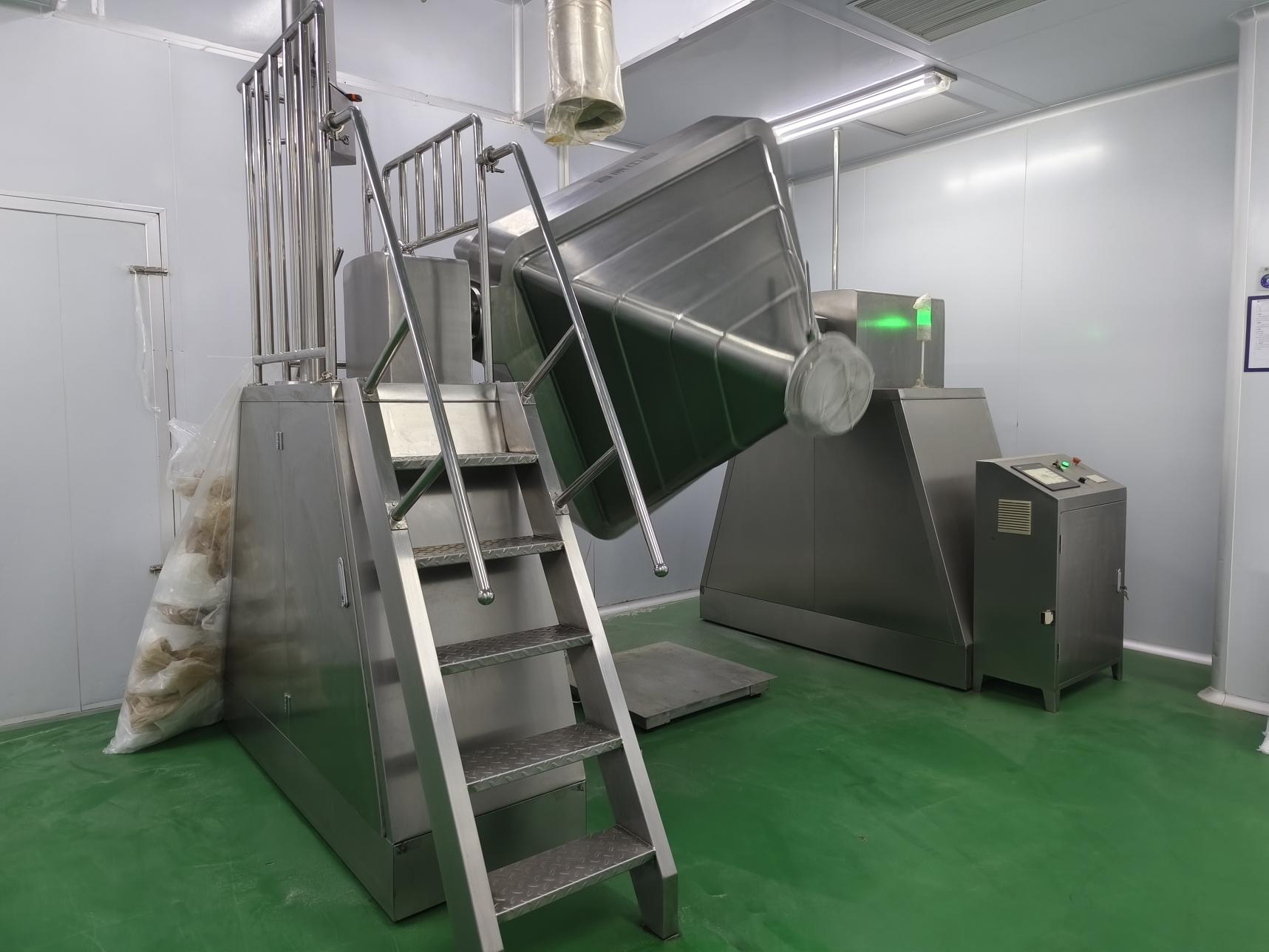
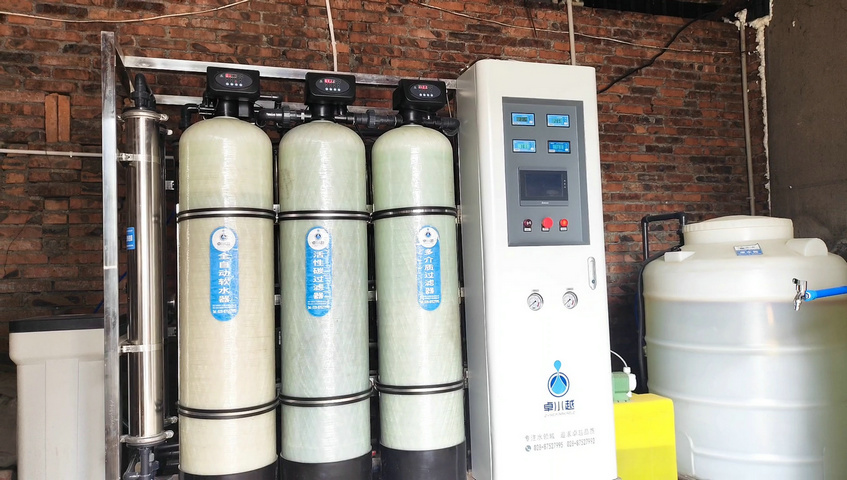
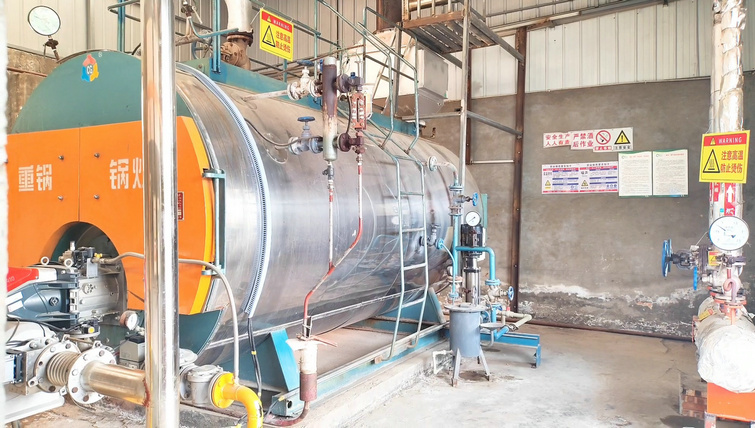
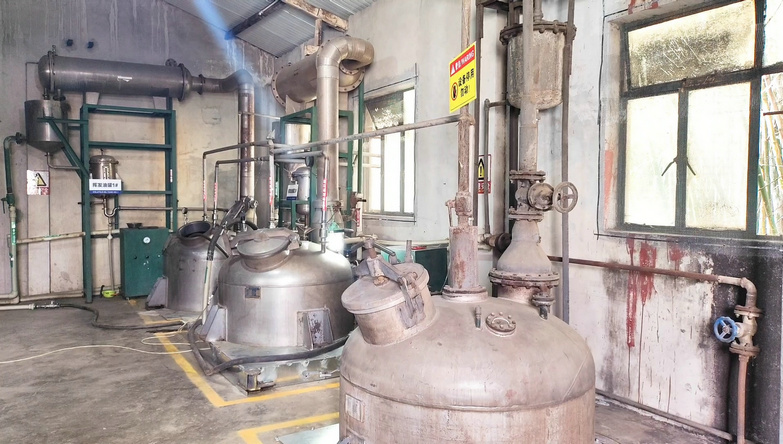
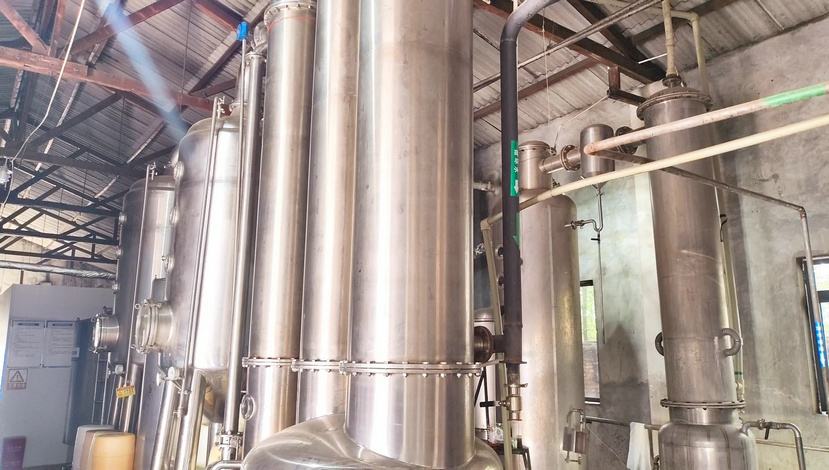
Operating out of a modern 70,000 square meter production facility in Shaanxi Province, we have built a manufacturing infrastructure that blends advanced industrial engineering with precise botanical chemistry.
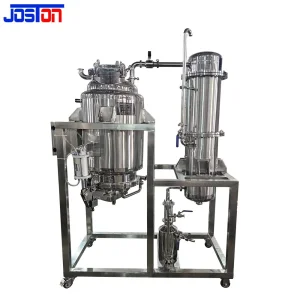
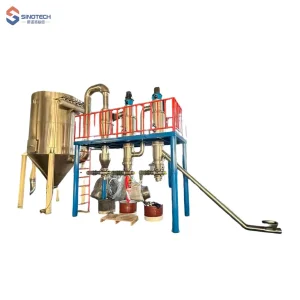
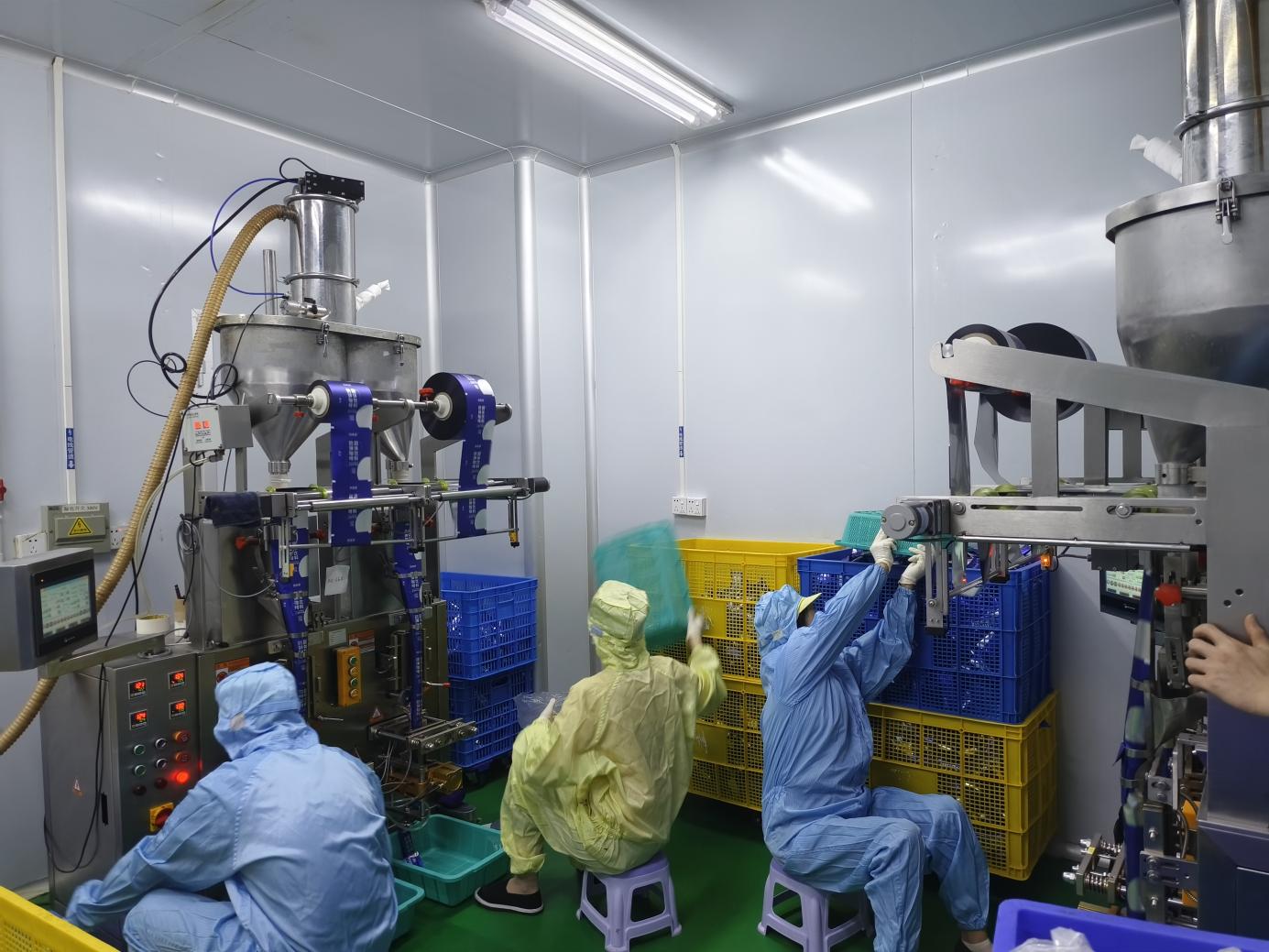
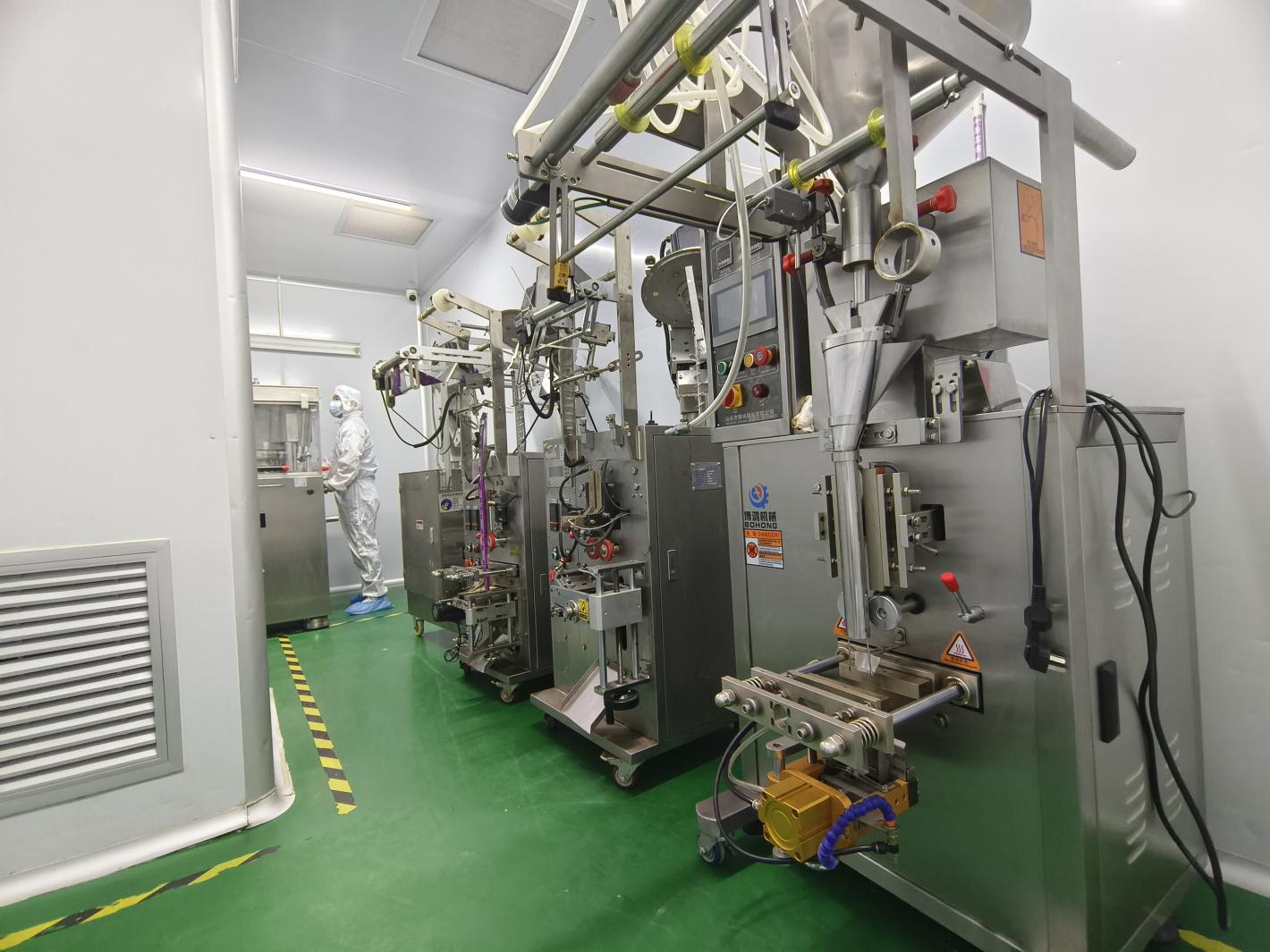
Equipped with six heavy-duty plant extraction production lines, modern fine extraction workshops, and fully integrated processing platforms, our facility is engineered to satisfy strict international standards. By integrating continuous automation from automated ingredient feeding systems to computerized micro-filtration and high-capacity spray drying towers, we ensure uniform quality across high-volume production batches.
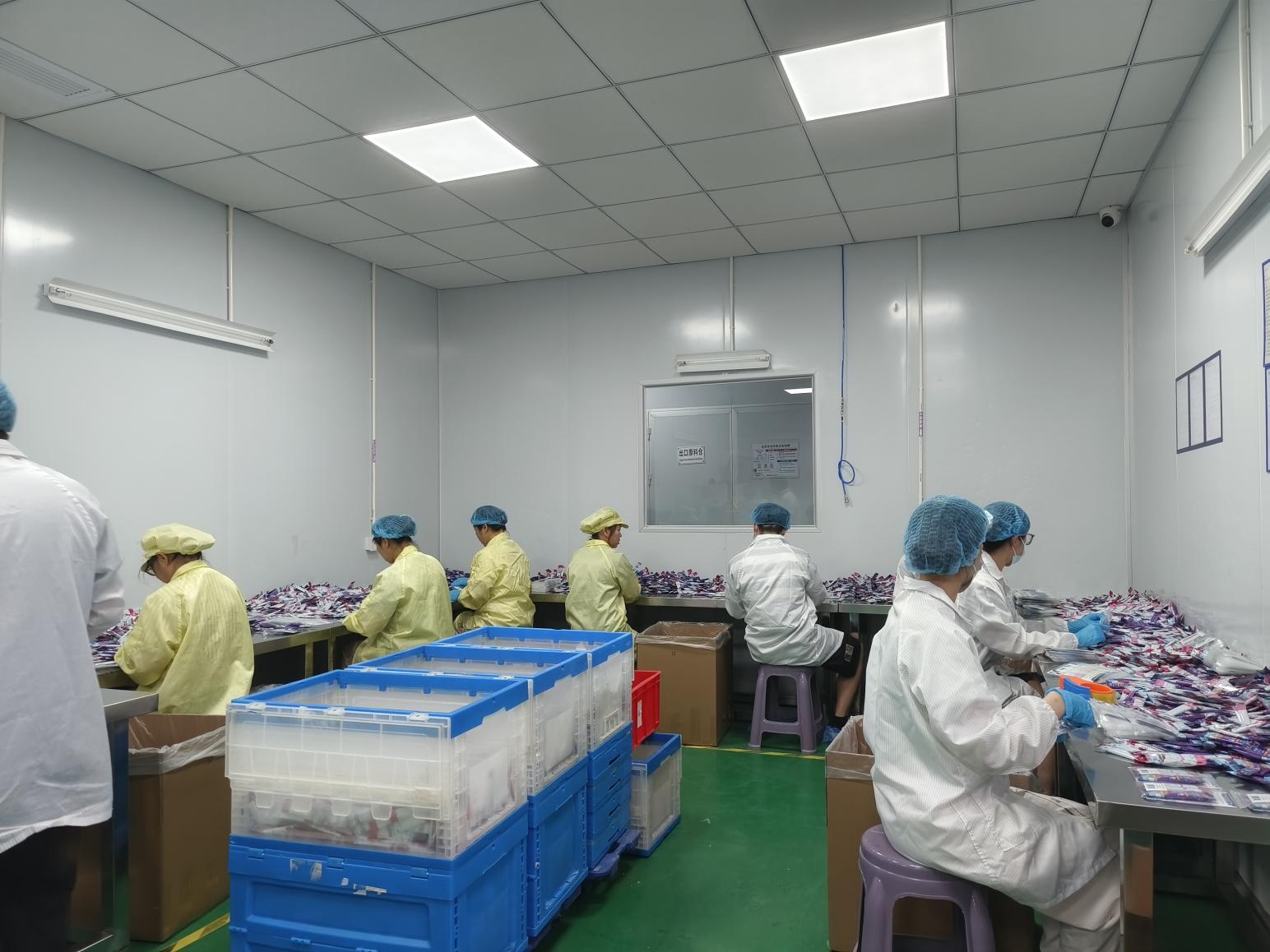
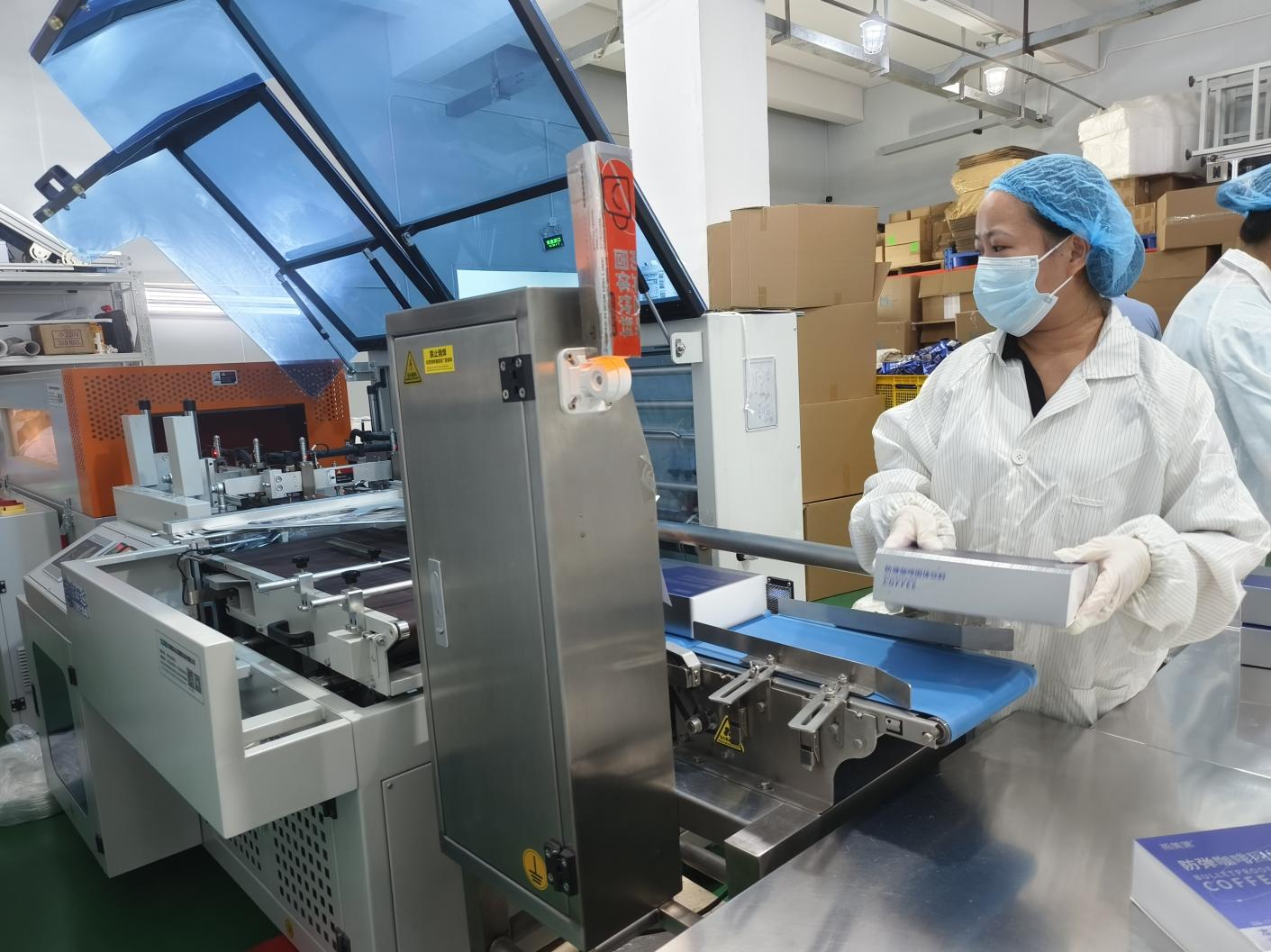
In today's complex global shipping market, Shaanxi Diaries Biotech provides reliable supply chain continuity. By maintaining strategic raw material reserves, managing local contract farming partnerships, and utilizing automated packaging lines, we minimize raw material variation, lower production lead times, and shield global buyers from unexpected market price hikes.
Navigating global regulatory frameworks with fully certified, traceable, and market-ready ingredients.
Exporting biological ingredients requires comprehensive familiarity with complex global regulatory systems. Different countries maintain highly specific approval pathways, Maximum Residue Limits (MRLs), and labeling laws for plant extracts and emulsifying agents.
Shaanxi Diaries Biotech provides end-to-end technical documentation to facilitate seamless customs clearance and product formulation approvals. We operate under strict GMP-compliant manufacturing procedures, ensuring that from raw botanical harvest to final seal, every stage is fully documented and traceable.
Our dedicated regulatory affairs team provides support across target regions, assisting with FDA GRAS dossiers, European Food Safety Authority (EFSA) submissions, and clean-label verification declarations.
*All documentation, including COA, MSDS, Allergen Statements, and GMO-free certificates, is provided with every shipment.
Streamlined partnership models designed to optimize formulation, branding, and commercial scalability.
Our laboratory assists with particle-size adjustment, viscosity matching, and HLB balance customization to fit your liquid, powder, or emulsion matrix perfectly.
Utilizing specialized molecular distillation, fractional extraction, and spray drying, we customize active compound percentages to match your technical requirements.
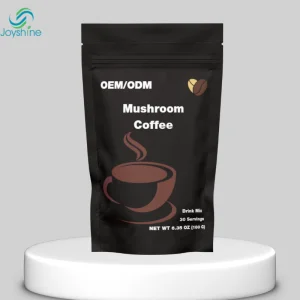
From raw industrial bulk drums (25kg drums, customized bags) to private-label consumer packaging like sachets and bottles, we provide end-to-end commercial solutions.
A transparent look inside Shaanxi Diaries Biotech's modern factory facilities and machinery assets.
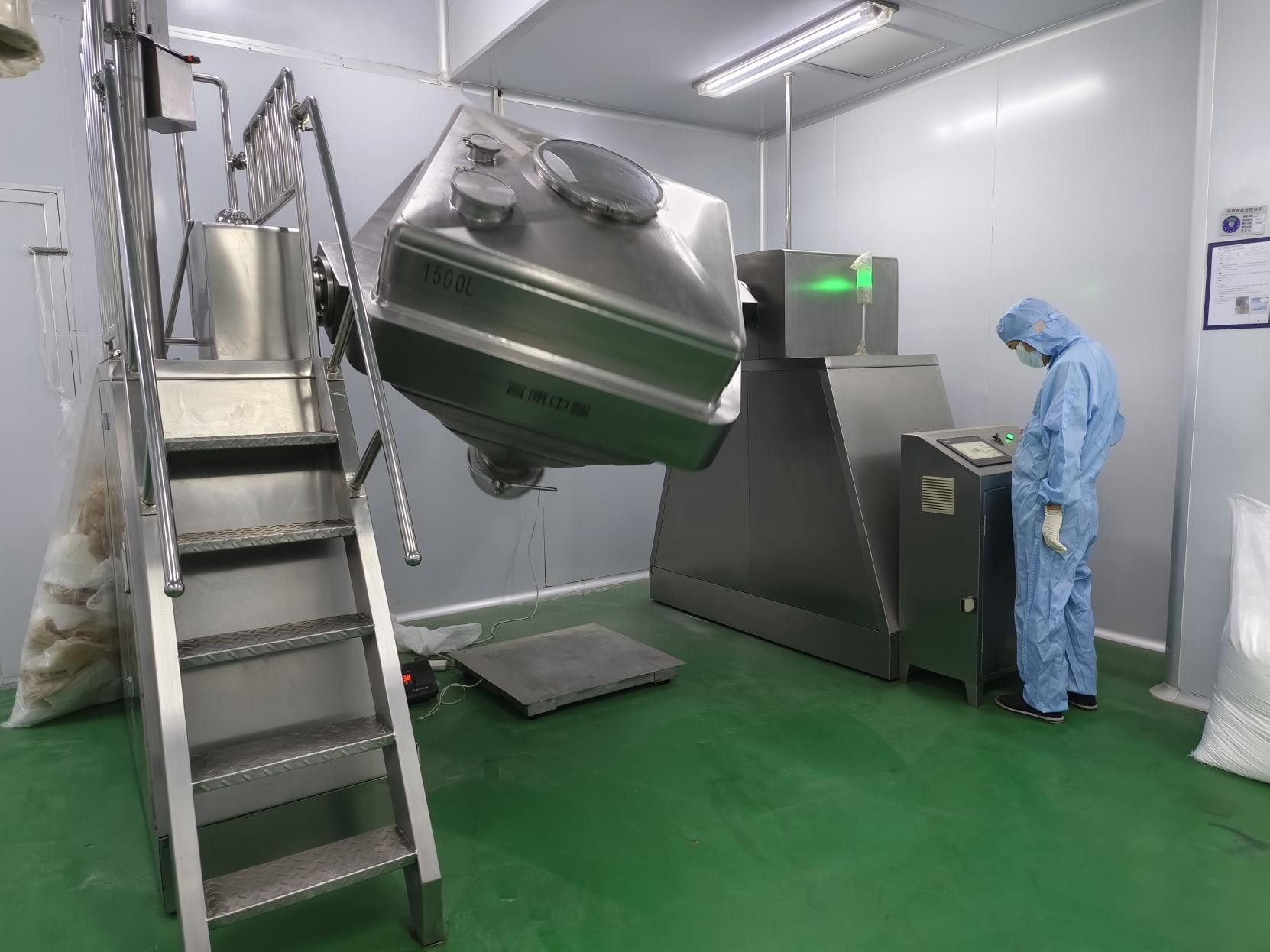
Addressing core procurement questions, molecular parameters, and processing options for global buyers.

 Diaries Biotech