Diaries Biotech
1 / 5

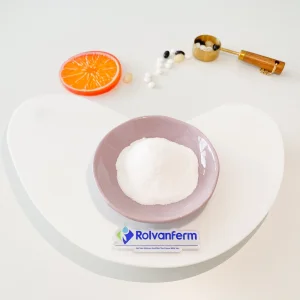
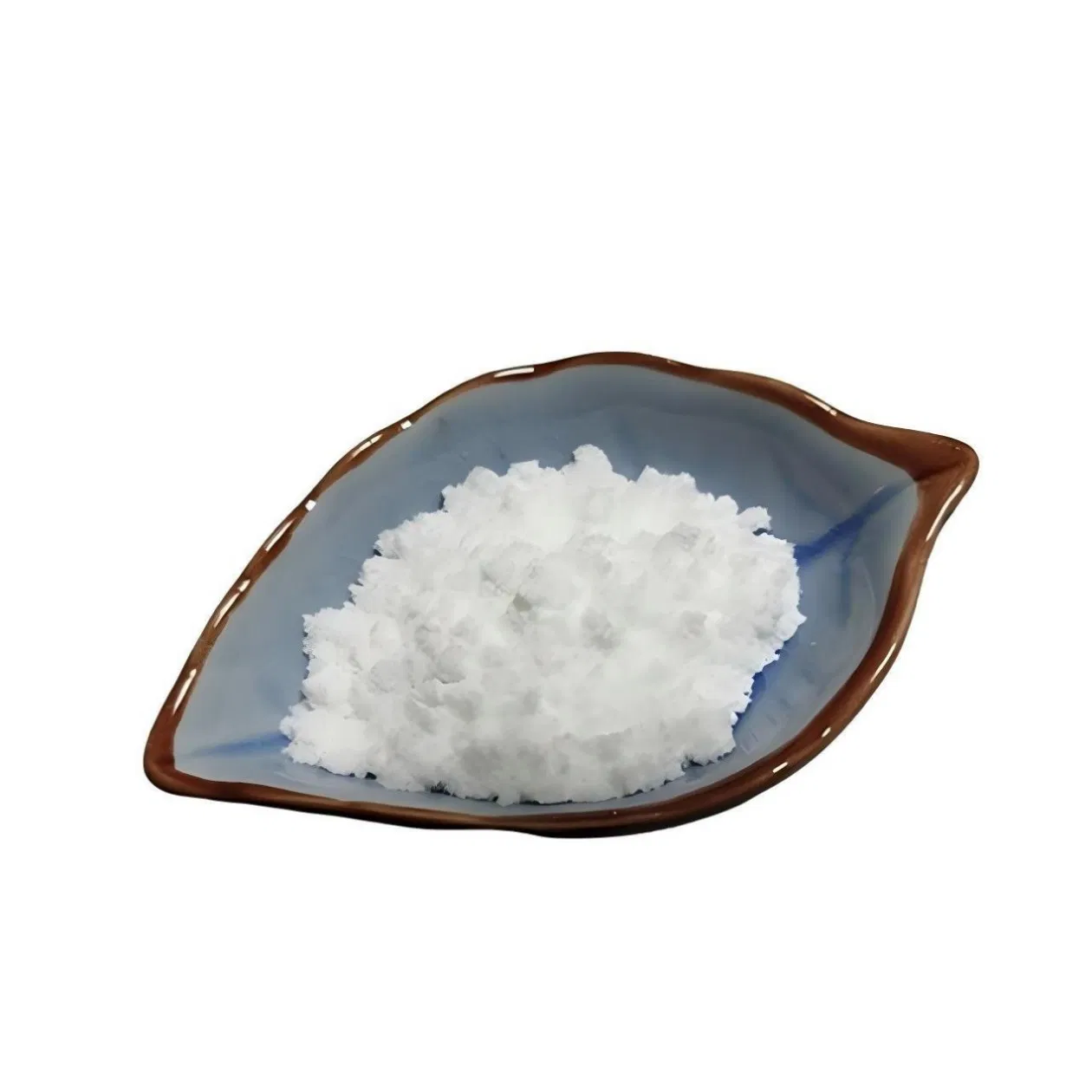
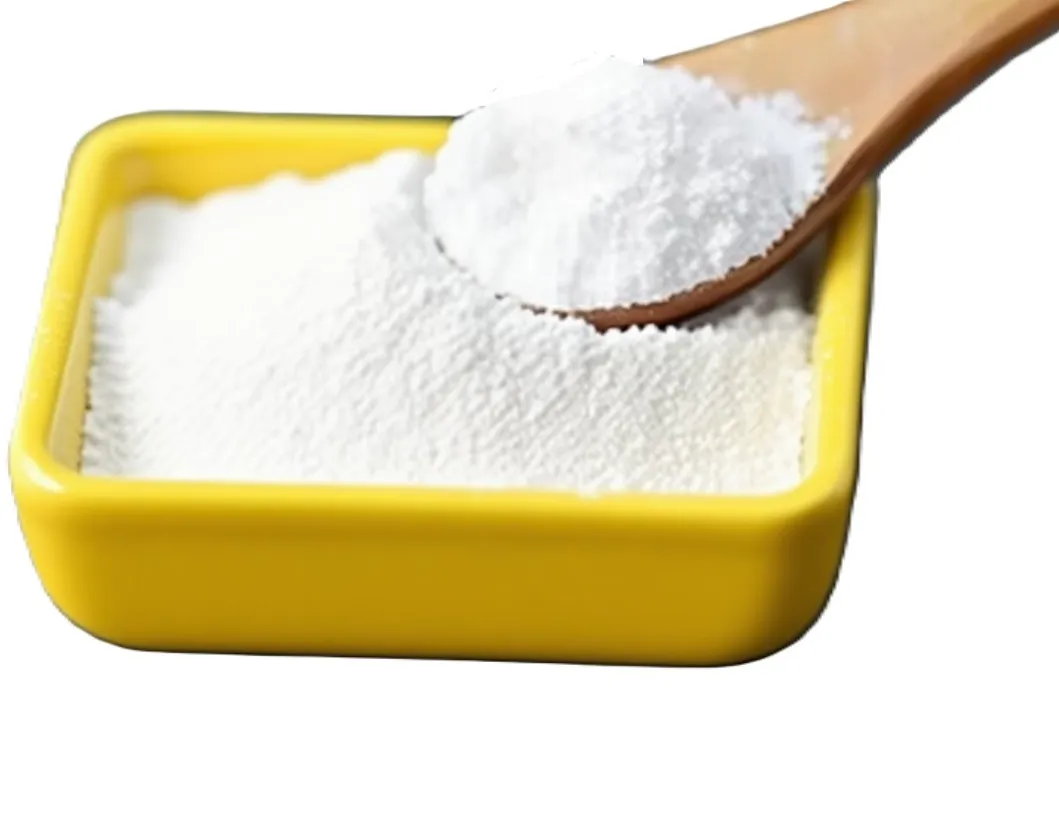
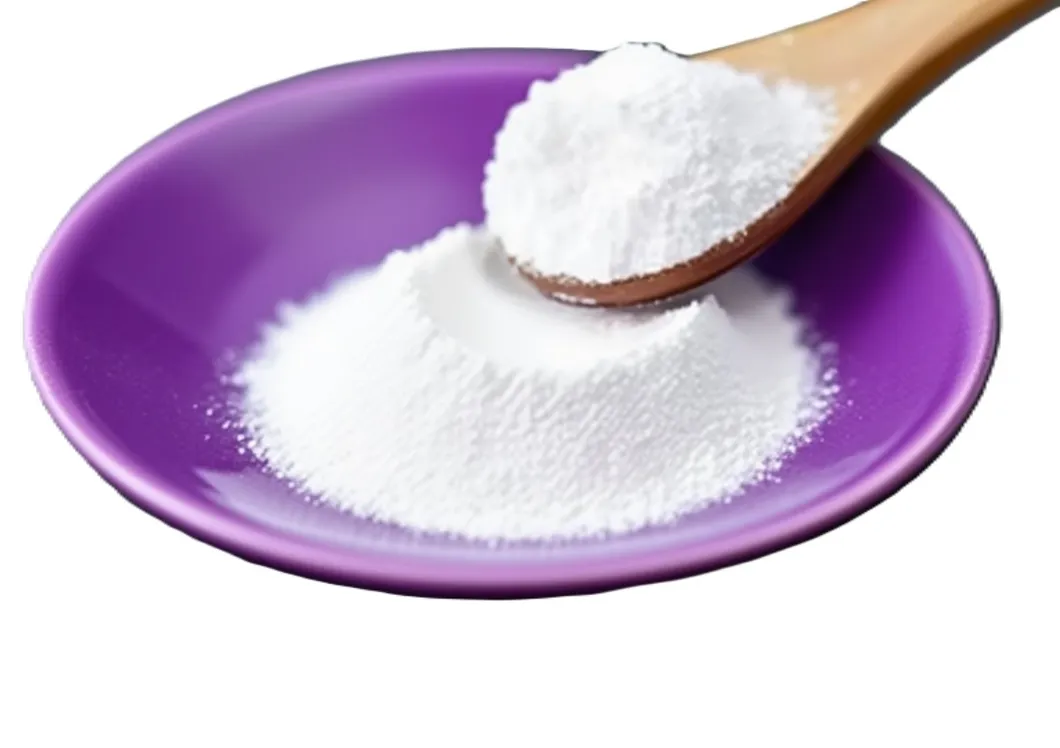
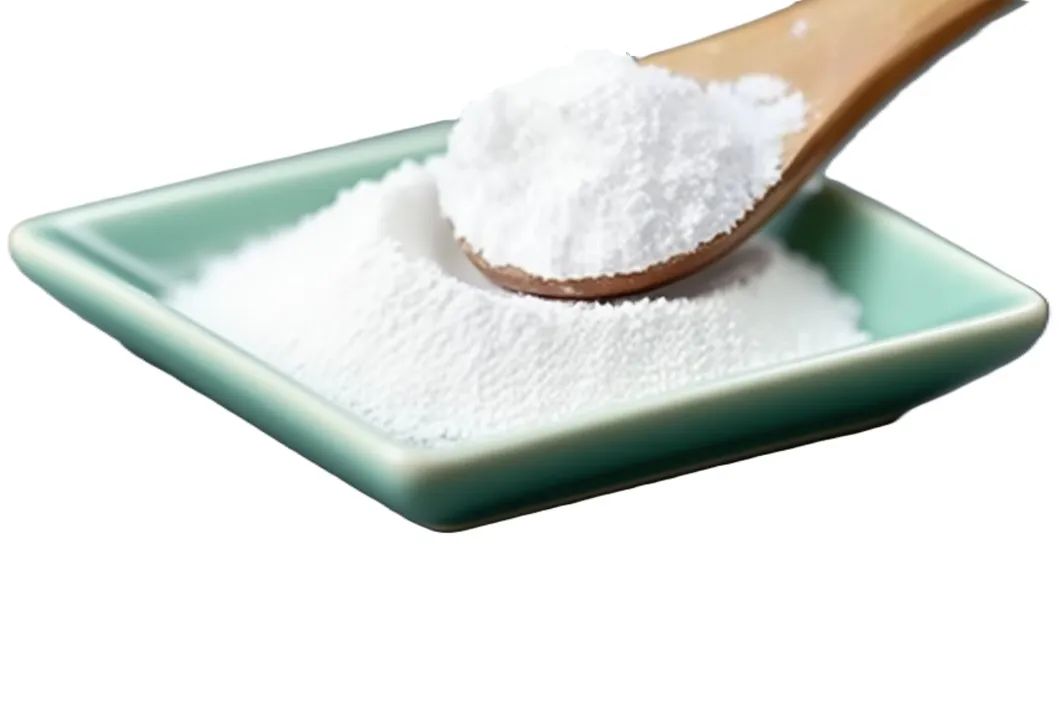
Sodium Hyaluronate is the sodium salt form of hyaluronic acid, a polysaccharide molecule. Sodium hyaluronate is a naturally occurring substance that is widely found in humans and animals and is a major component of soft connective tissues such as human skin, the vitreous body of the eye, and synovial fluid in joints. Sodium hyaluronate is a macromolecular acidic mucopolysaccharide composed of repeating linkages of N-acetylglucosamine and D-glucuronic acid disaccharide units. Its irregularly curled state in solution and hydrodynamic properties confer important physical properties such as humectancy, lubricity, viscoelasticity and pseudoplasticity, which are involved in tissue hydration and structural scaffolding, as well as providing viscoelasticity, which produces lubrication and shock-absorbing functions. In addition, due to its good biocompatibility, sodium vitrate has a wide range of applications in the pharmaceutical field.
| Item | Specification | Result |
|---|---|---|
| Physical & Chemical Test | ||
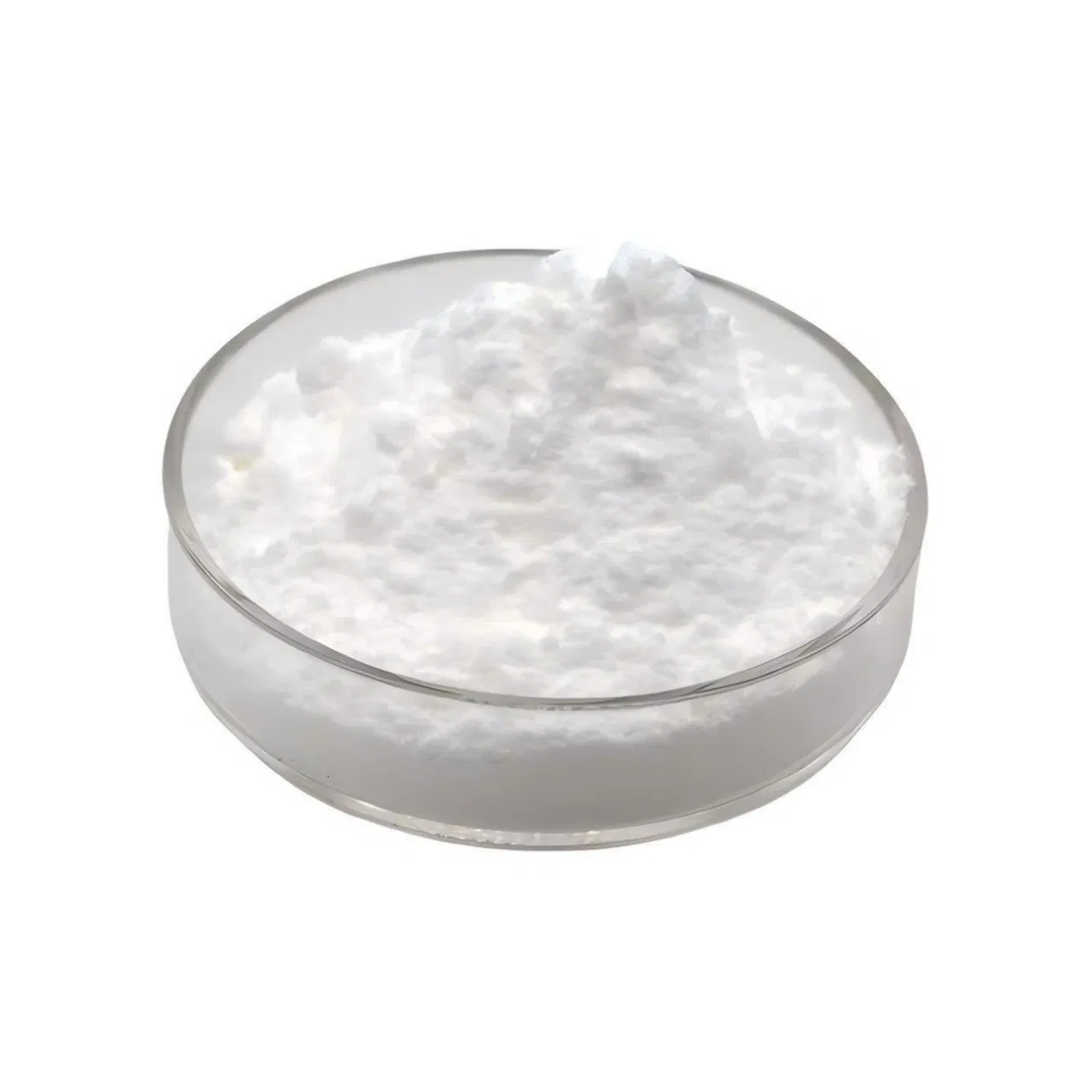
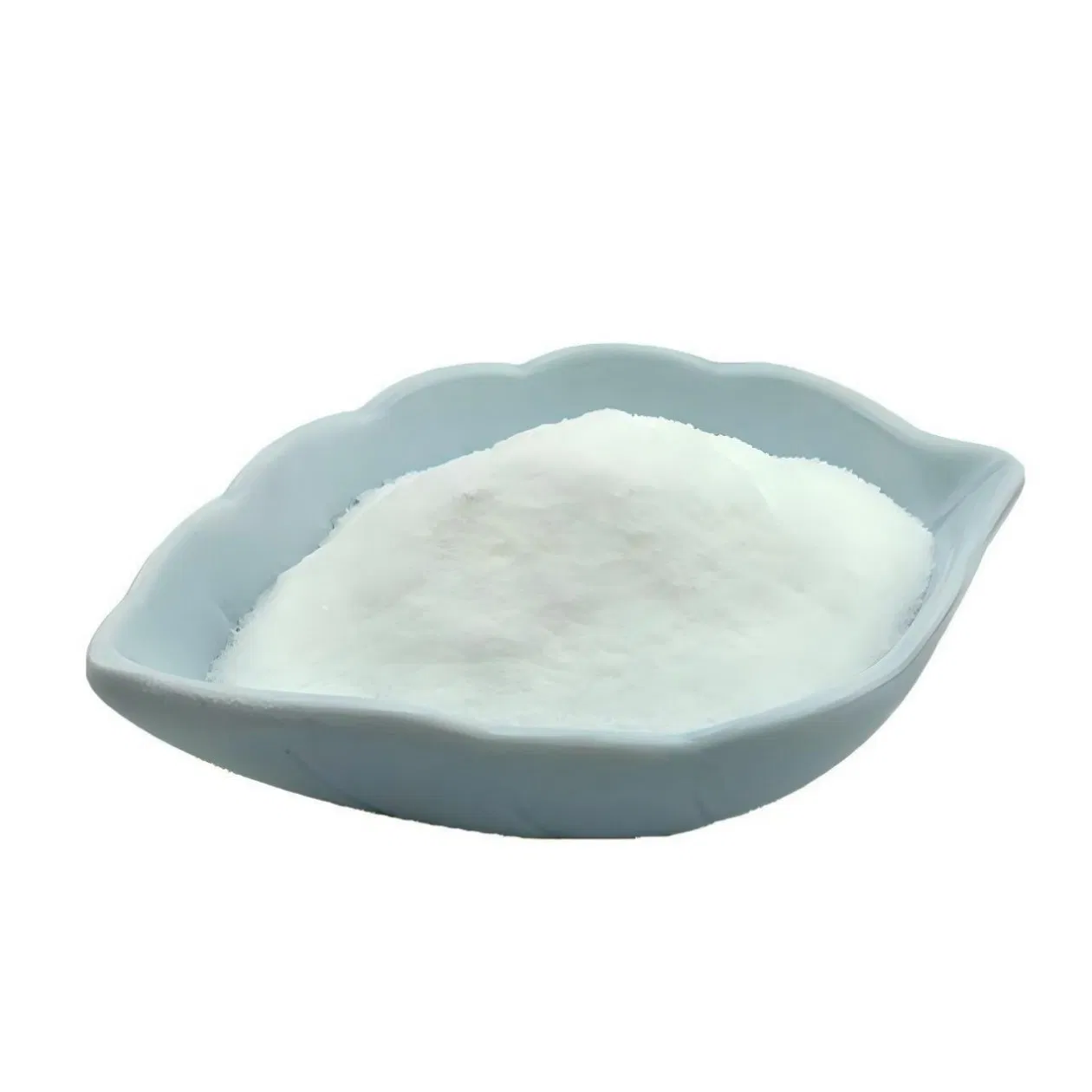
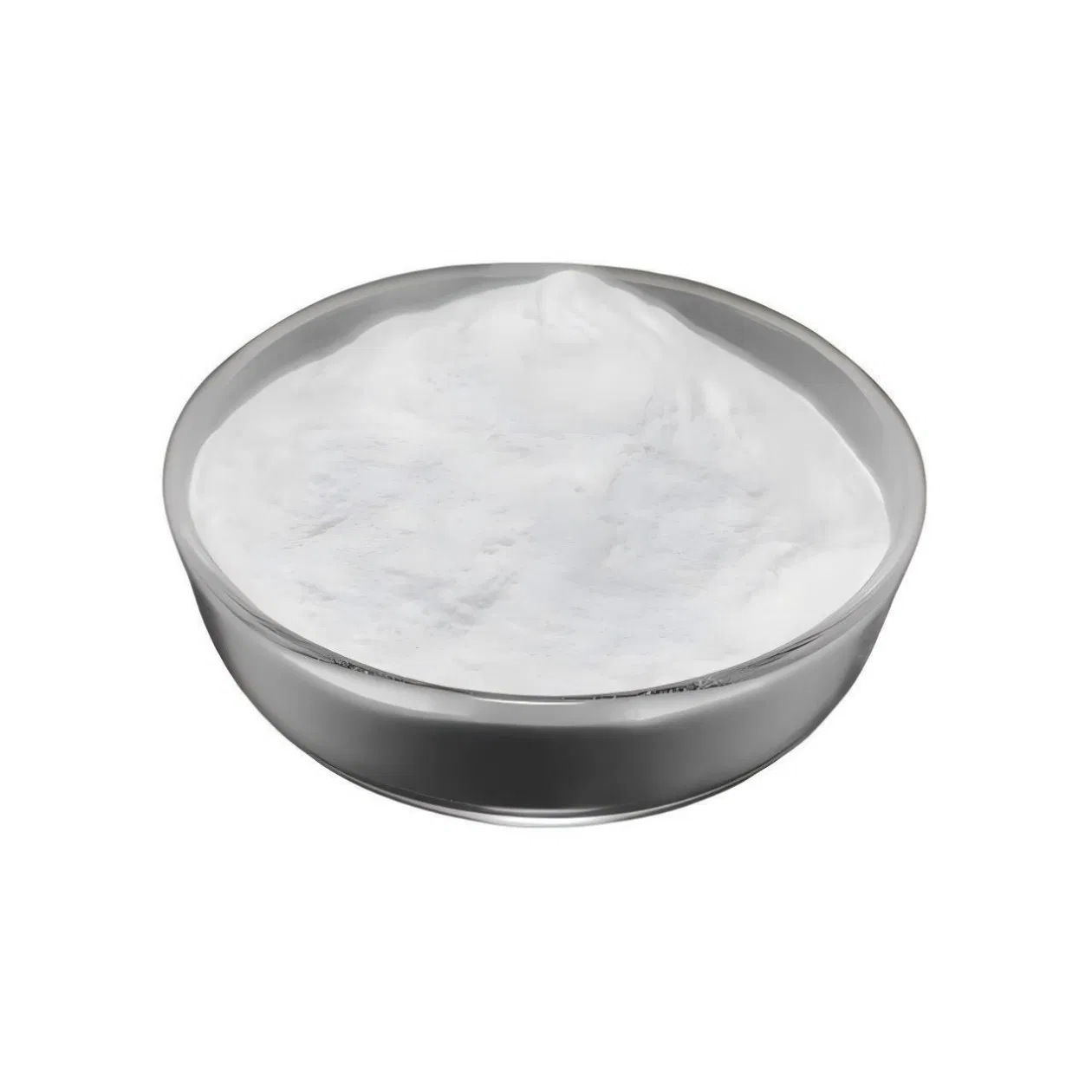
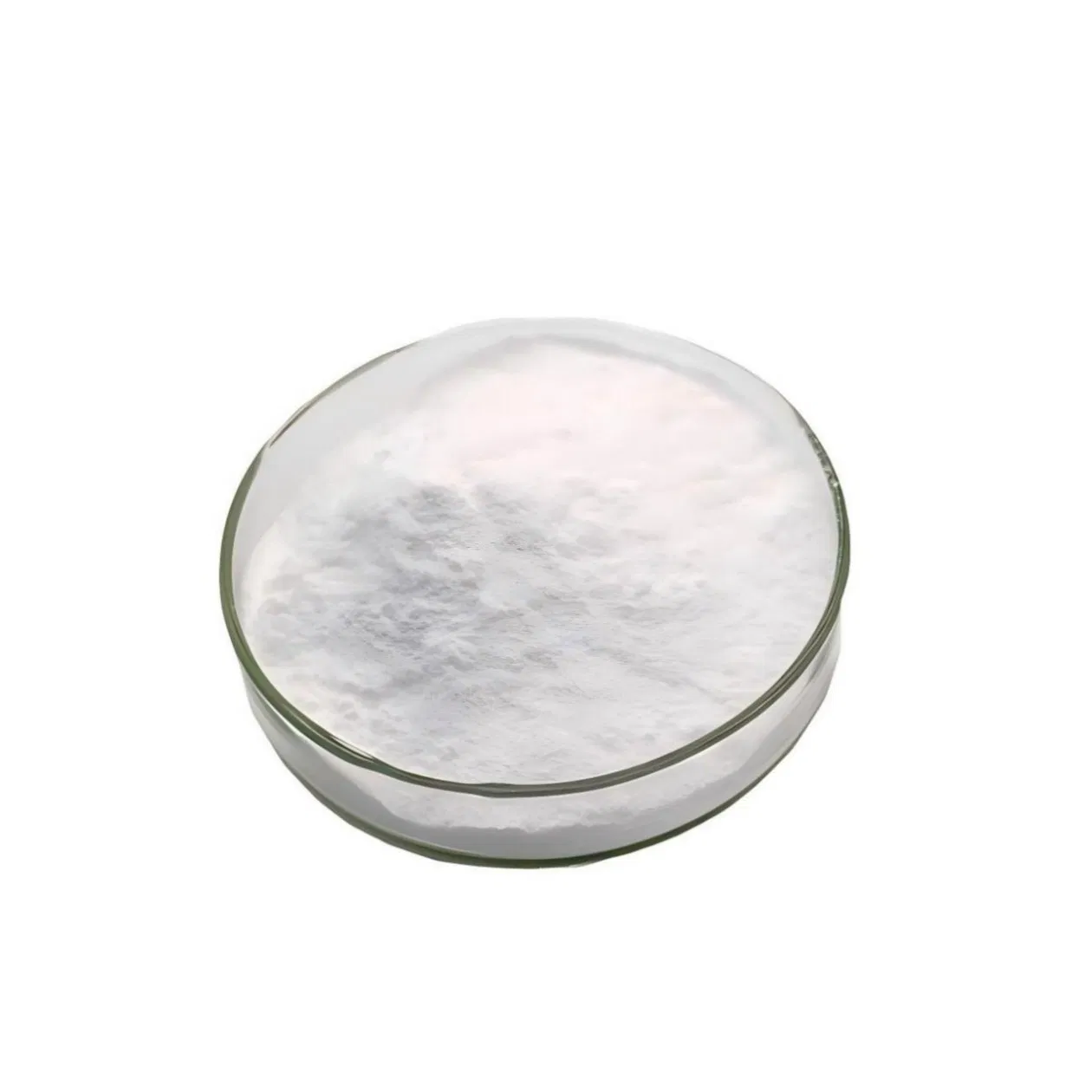
| Appearance | White or almost white powder or granules | Complies |
| Infrared absorption | Positive | Complies |
| Reaction of sodium | Positive | Complies |
| Absorbance | ≤0.25 | 0.08 |
| Transparency | ≥99.0% | 100.0% |
| PH | 6.0~7.5 | 6.5 |
| Intrinsic viscosity | ≥22.40 dL/g | 22.66 dL/g |
| Molecular weight | ≥1.40×10⁶ Da | 1.42×10⁶ Da |
| Kinematic viscosity | Actual value | 52.57 mm²/s |
| Purity Test | ||
| Loss on drying | ≤10% | 9.34% |
| Residue on ignition | ≤20% | 18.85% |
| Heavy metals | ≤20ppm | <20ppm |
| Arsenic | ≤2ppm | <2ppm |
| Protein | ≤0.1% | 0.03% |
| Assay | 95.0%~105.0% | 96.6% |
| Glucuronic acid | 46.0%~51.0% | 46.7% |
| Microbiological Purity | ||
| Total bacterial count | ≤100CFU/g | <10CFU/g |
| Yeasts & mold | ≤20CFU/g | <10CFU/g |
| E.coli | Negative | Negative |
| Staph | Negative | Negative |
| Pseudomonas aeruginosa | Negative | Negative |
| Conclusion: This product complies with the standard of QB/T 4416-2012. | ||