Diaries Biotech

1 / 5
Plant extract black pepper extract piperine cosmetic raw materials
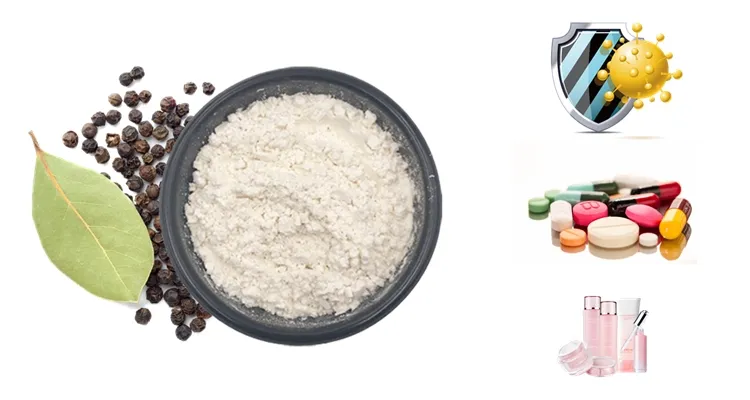

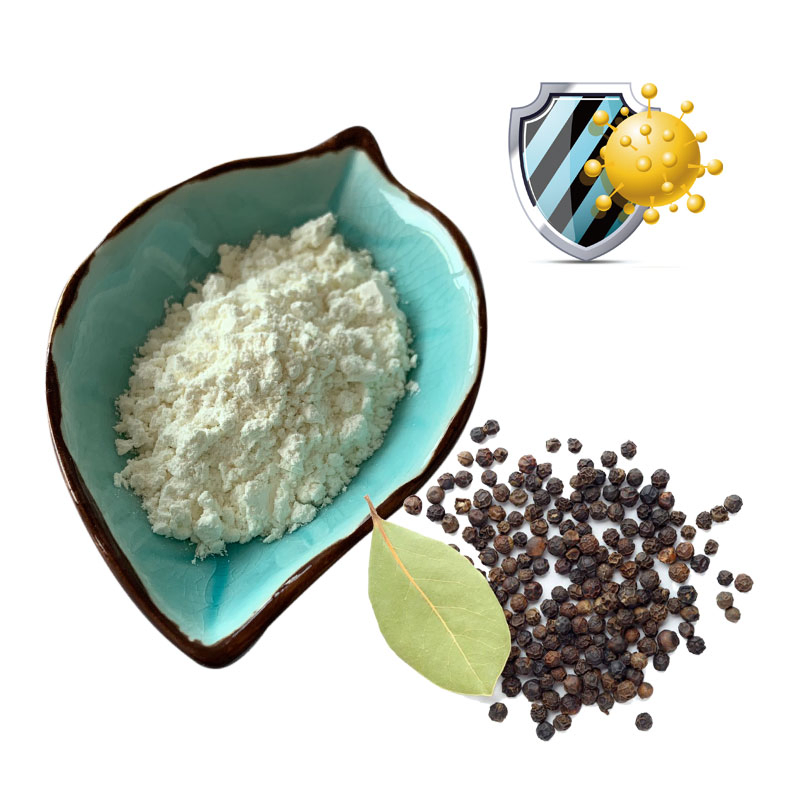
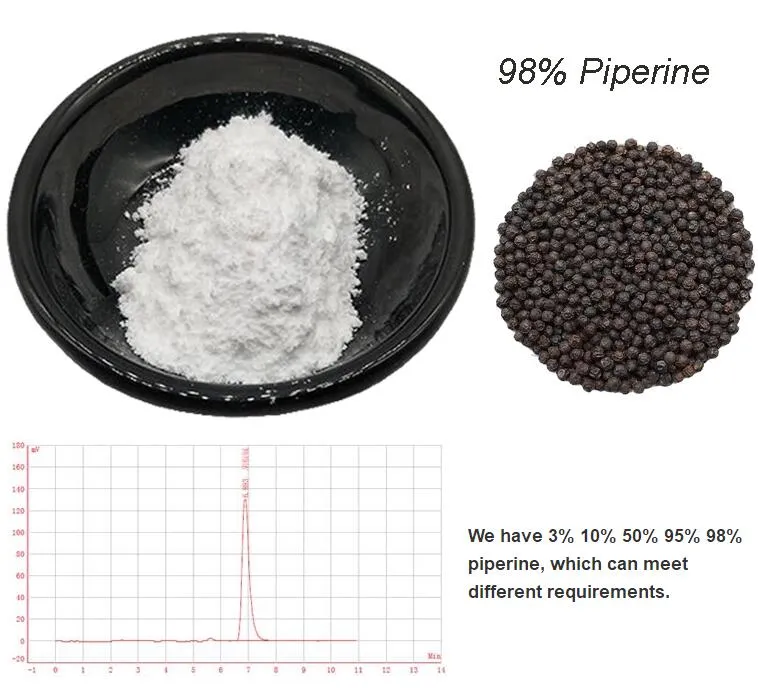
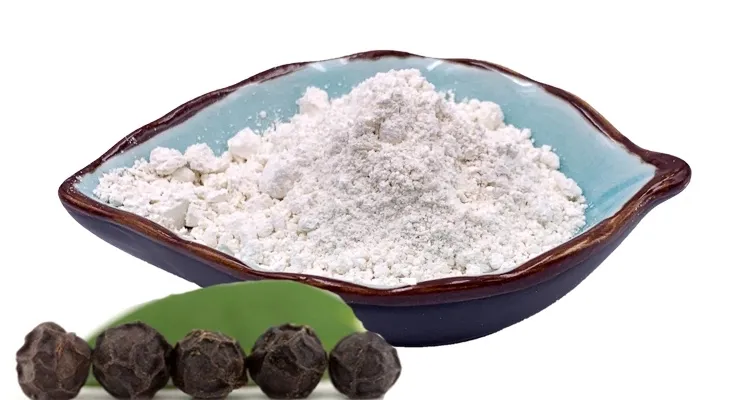
Piperine is the main active component of pepper. It is a type of alkaloid. It is found widely in nature, especially in pepper plants.
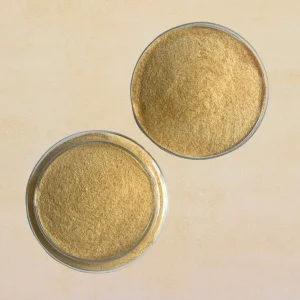
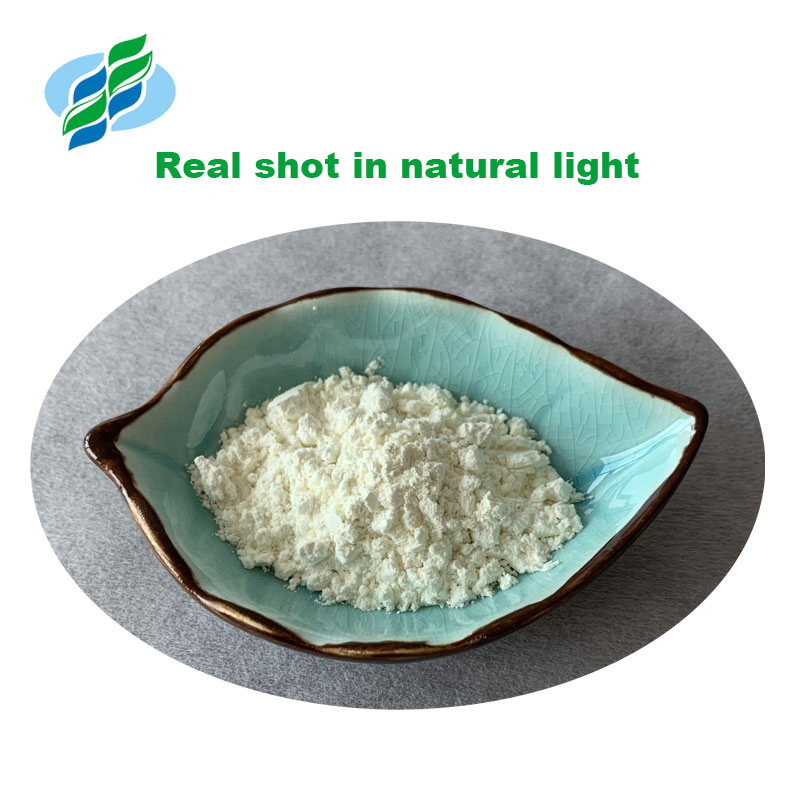
Piperine accounts for 4%-9% of pepper fruit. Our Piperine comes from the dried fruits of black pepper, acting as a natural cosmetic ingredient. It is extremely sensitive to light. It is almost insoluble in water, slightly soluble in ether; soluble in benzene or acetic acid, and easily soluble in chloroform and ethanol.
In recent years, with research in the cosmetics field, it has been found that Piperine can promote skin penetration. It is responsible for enhancing the effective ingredients of cosmetics to quickly penetrate into the skin. Therefore, it can be added into cosmetics as a cosmetic agent. At the same time, Piperine has antioxidant and anti-inflammatory effects. It can also promote the activity of melanin, so it can treat depigmentation dermatosis. In addition, Piperine can be used as a fragrance in perfume due to its special smell.
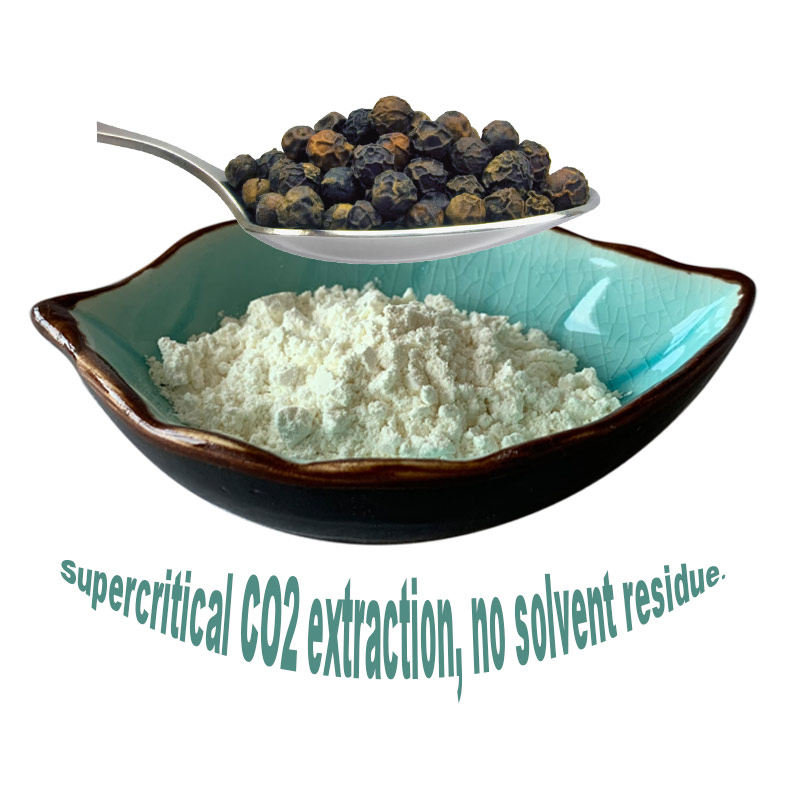
The operation is close to room temperature (34 ~ 39 °C), and the whole extraction process is covered with CO2 gas, which effectively prevents the oxidation and degradation of heat-sensitive materials. It can completely retain the biological activity, and can extract substances with high boiling points, low volatility, and pyrolytic properties at temperatures far below their boiling points.
Supercritical CO2 Fluid Extraction is the most environmentally friendly extraction method. The whole process does not contain organic solvents, ensuring the extract is free from residual solvents. This prevents exposure to harmful substances and protects the environment, ensuring 100% natural output.
Supercritical CO2 Fluid Extraction also provides anti-oxidation and sterilization functions, which is highly beneficial for guaranteeing and improving the quality of products.

Piperine can inhibit the production of pro-inflammatory cytokines. Thereby, it cuts down the expression of inflammatory cytokines such as interleukin 1, interleukin 6, tumor necrosis factor α, etc. Therefore, Piperine can reduce inflammation and pain, exerting an anti-inflammatory effect.
Piperine can be absorbed through the skin, acting directly on subcutaneous tissues, nerves, and blood vessels. Thus, Piperine can significantly improve and promote the absorption and utilization of active ingredients in the skin, helping cosmetic ingredients quickly penetrate.
Piperine can reduce oxidative stress damage of cells in the process of oxygen free radicals generation and scavenging. Additionally, it has a certain scavenging capacity for hydroxyl and DPPH free radicals. Its anti-oxidative capacity is equivalent to 60.05% of vitamin C, and it remains stable in acidic mediums.
Piperine can stimulate the activity of melanocytes, increase the amount of tyrosine, and promote the expression of TPR1. Thus, Piperine accelerates the synthesis of melanin in epidermal melanocytes. It can be added into cosmeceuticals for the treatment of depigmentation dermatosis.
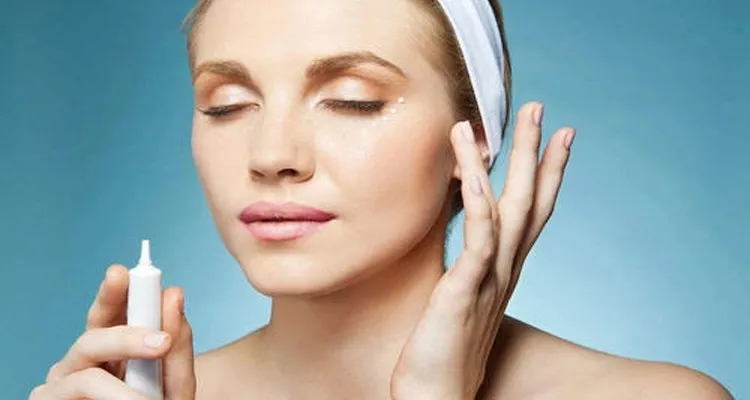
Piperine is mainly used in cosmetics. It can be used as an osmotic agent in toners, emulsions, facial creams, essences, and other skincare products. It can also act as a fragrance in perfume. Moreover, Piperine is an active ingredient in cosmetics to treat depigmentation dermatosis.
| Application | Recommended Dosage |
|---|---|
| Fragrance | 0.01% |
| Skin care products | 0.2-2% |
| Ingredient | Content (%) | Ingredient | Content (%) |
|---|---|---|---|
| Piperine | 0.8 | Mulberry root extract | 2 |
| Curcuma extract | 0.1 | Ginger root extract | 0.1 |
| Sea-buckthorn fruit extract | 5 | Methylisothiazoline | 0.1 |
| TEA | 0.3 | Methyl ester | 0.2 |
| Water | 65.1 | Carbomer | 0.3 |
| propylene glycol | 5 | Glycerin | 5 |
| Isopropyl myristate | 4 | Triglycerides | 4 |
| Polydimethylsiloxane | 2 | Shea butter | 2 |
| Cetostearyl alcohol | 2 | Feg-100 stearate | 0.5 |
| Glyceryl stearate | 0.5 | Cetearyl glucoside | 1 |