5 Best Reasons Plant Based Foods Need Special Texturizers?

Time:2026-10-14 Author:Sienna
0%

Plant-based foods have moved from niche shelves to everyday meals, yet texture remains a decisive weakness. The Good Food Institute reported that U.S. plant-based retail food sales reached $8.1 billion in 2023. However, its market analysis also showed pressure on unit sales and repeat purchases. Consumers may accept a new flavor once. They rarely accept a dry burger twice.

So, why do plant-based food products require specialized texturizers? Plants do not naturally reproduce the fibrous bite, juiciness, creaminess, or springy structure found in animal-based foods. Soy, pea, wheat, oats, and fava proteins behave differently during mixing, heating, freezing, and storage. A pea-protein patty can feel gritty. An oat-based drink can separate. A plant-based cheese may crack instead of stretch. These are practical formulation problems, not merely marketing concerns.

Professional research supports the need for better product performance. The Institute of Food Technologists highlights texture as a major driver of food acceptance, while Innova Market Insights consistently identifies sensory quality as central to new-product success. Texturizers, including fibers, hydrocolloids, starches, and protein systems, help control water, improve adhesion, and create a more familiar mouthfeel. Small changes matter. A softer bite can influence a second purchase.

Still, texturizers are not magic ingredients. Poor selection can create gumminess, off-notes, or an overly processed impression. Formulators must balance texture, nutrition, clean-label expectations, cost, and processing conditions. The category is improving, but it is not finished. Five practical reasons explain why specialized texturizers now deserve closer attention.
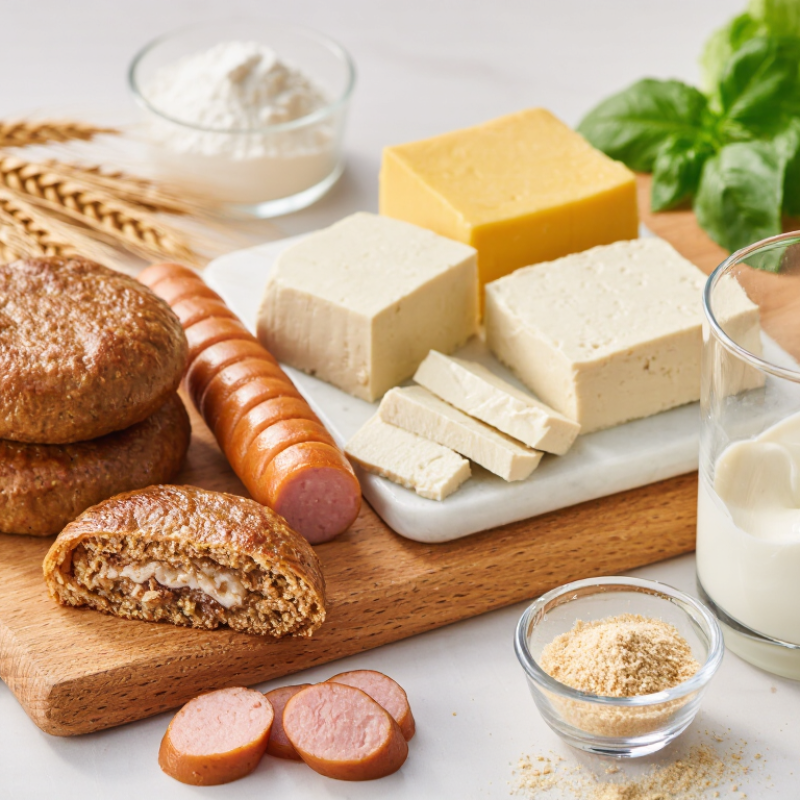
5 Best Reasons Plant Based Foods Need Special Texturizers?

What Texturizers Do in Plant-Based Food Formulation

What Texturizers Do in Plant-Based Food Formulation

Plant-based foods need special texturizers because plants rarely mimic animal tissue naturally. A bite can feel dry, crumbly, or strangely elastic. Texturizers manage five critical needs: firmness, juiciness, cohesion, stability, and sensory familiarity. The Good Food Institute’s 2024 State of the Industry report valued the U.S. plant-based food market at about $8.1 billion in 2023. That scale raises expectations. Consumers now notice a gritty patty or watery yogurt immediately. Texturizers such as methylcellulose, starches, fibers, gums, and protein blends help control water and build structure. They also protect texture during heating, freezing, and storage.

Innova Market Insights’ 2024 trend reporting highlights texture and mouthfeel as important drivers of food acceptance. In practical trials, a small hydration change can transform a spoonable product into a rubbery one. That is where formulation experience matters. Texturizers must match the protein source, shear level, pH, and cooking method. One ingredient rarely solves everything. A blend may improve bite, but it can create a pasty finish. Formulators should measure hardness, springiness, water release, and consumer preference. The numbers help, though sensory panels still reveal uncomfortable surprises.

Tips

Start with a clear texture target, such as “tender and juicy,” not “meat-like.” Hydrate fibers before high-shear mixing. Test chilled, cooked, and reheated samples. Reduce the texturizer slightly in one trial. Overbuilt texture often feels less natural. Document every batch, including mixing time and product temperature.

Why Plant Proteins Often Need Texture Improvement

5 Best Reasons Plant Based Foods Need Special Texturizers?

Why Plant Proteins Often Need Texture Improvement

Plant proteins often deliver nutrition, but not the bite consumers expect. Pea, soy, fava, and wheat proteins behave differently during heating and mixing. Their particles may feel gritty, dry, rubbery, or strangely soft. That texture can weaken an otherwise balanced recipe.

During bench trials, I have found that water control matters as much as protein selection. Plant proteins absorb water unevenly. Some bind quickly, while others leave a chalky finish. Special texturizers, including fibers, starches, gums, and protein networks, can improve moisture retention and structure. They help a patty hold together, a drink feel smoother, or plant-based yogurt resist separation. Small changes matter. A fraction too much thickener can create a gummy spoonful.

Processing adds another challenge. Shear, temperature, salt, acidity, and freezing can reshape the final texture. Extrusion may create a convincing fibrous bite, yet it can also produce tough edges or uneven density. In one formulation, reducing the texturizer improved mouthfeel but lowered stability after storage. That trade-off deserves attention. Texture testing should combine sensory panels, instrumental measurements, and real storage checks. No single ingredient solves every problem. The best system supports the protein instead of hiding it.

How Texturizers Recreate Meat, Dairy, and Egg Structures

Plant-based foods need special texturizers because plants do not naturally copy meat, dairy, or egg structures. Texturizers can bind water, control softness, and create a convincing bite. They also help proteins form a stable network during heating. This matters in burgers, sausages, nuggets, and filled products. Without that support, a patty may crumble, dry out, or feel strangely pasty.

For meat alternatives, fibers and hydrocolloids can create chew and reduce moisture loss. Starches may add firmness, while plant proteins provide structure. Dairy-style products need a different approach. Gums, emulsifiers, and cultured ingredients can produce spoonable thickness and a smoother mouthfeel. Egg-style products often depend on gel formation, fat distribution, and controlled setting during cooking. Small formula changes matter. Too much thickener can create a rubbery texture. Too little may leave separation or an empty bite.

Tips: Test texture after refrigeration, reheating, and holding. Use simple sensory checks: cut resistance, juiciness, coating, and aftertaste. Keep detailed batch records. Different protein sources absorb water differently, so one formula rarely works everywhere. Texture is also personal. A firm bite may seem realistic to one person and unpleasant to another. I have found that laboratory measurements help, but they cannot replace tasting with real serving conditions. Some products still need refinement. That is normal.

5 Best Reasons Plant-Based Foods Need Special Texturizers: How Texturizers Recreate Meat, Dairy, and Egg Structures
Reason Plant-Based Structural Challenge Target Structure to Recreate Common Texturizer System How It Works Useful Quality Indicators
1 Meat has a fibrous, layered bite Plant proteins are often globular rather than naturally arranged into the aligned muscle-fiber structure found in meat. Without processing support, products may feel crumbly, pasty, or overly soft. Aligned fibers with chew, springiness, juiciness, and controlled resistance during biting. Protein concentrates or isolates; methylcellulose; starch; alginate or other hydrocolloids; structured vegetable oils. High-moisture or extrusion processing aligns proteins into fibrous domains. Methylcellulose forms a heat-set gel, while starches and hydrocolloids bind water and reinforce the matrix. Hardness, chewiness, cohesiveness, springiness, cooking yield, and water or oil retention.
2 Meat must retain moisture and fat Plant protein matrices can lose water during heating, while liquid plant oils may separate because they do not automatically remain distributed through the product. A cohesive protein network containing small, evenly distributed water and fat phases. Methylcellulose; konjac; carrageenan; xanthan gum; starch; lecithin; emulsifying proteins. Hydrocolloids increase water binding and viscosity. Protein and phospholipid-based emulsifiers help stabilize oil droplets, while heat-set systems reduce cooking loss. Cooking loss, purge, moisture retention, emulsion stability, fat separation, and perceived juiciness.
3 Dairy products depend on stable emulsions and gels Milk, yogurt, and cheese contain organized protein, water, fat, and mineral structures. Plant beverages and fermented alternatives can otherwise separate, become thin, or develop an unstable gel. A smooth emulsion for beverages, a spoonable gel for yogurt-style foods, or a sliceable and meltable network for cheese-style foods. Pectin; gellan gum; carrageenan; starch; locust bean gum; plant proteins; emulsifying salts where appropriate. Gums and pectin control serum separation and viscosity. Starch thickens when heated, while proteins and hydrocolloids create three-dimensional networks that support body and sliceability. Viscosity, spoonability, syneresis, particle settling, spreadability, melt behavior, and firmness.
4 Eggs provide several functions at once Eggs naturally contribute emulsification, foaming, binding, thickening, gelation, and structure during heating. A single plant ingredient rarely performs all of these functions equally well. A stable emulsion, aerated foam, cohesive batter, or heat-set gel depending on the food application. Lecithin; aquafaba; pea or potato protein; starch; methylcellulose; xanthan gum; pectin. Lecithin and proteins help stabilize oil-water interfaces. Aquafaba proteins and soluble solids support foam formation, while starches and heat-responsive hydrocolloids provide binding and setting. Foam volume, foam stability, batter viscosity, emulsification stability, gel strength, and fracture behavior after heating.
5 Plant ingredients vary more during processing Protein solubility, starch damage, fiber content, particle size, pH, ionic strength, and heating history can vary between raw materials and production batches. Consistent texture, stable processing performance, and predictable behavior during heating, cooling, freezing, and reheating. Standardized hydrocolloid blends; modified or native starches; fibers; pectin; gellan gum; buffering and emulsifying components. Texturizers adjust water mobility, viscosity, gel strength, and interfacial stability, helping compensate for variation in plant proteins, starches, and fibers. Batch-to-batch firmness, viscosity profile, freeze-thaw stability, reheating stability, phase separation, and shelf-life texture.
Interpretation note: Texturizers are normally selected as a system rather than as isolated ingredients. Performance depends on formulation variables such as protein type, solids level, pH, salt concentration, hydration time, shear, heating profile, cooling rate, and storage conditions.

Which Texture Problems Special Ingredients Can Solve

Plant-based foods often fail because their texture changes during mixing, heating, cooling, or storage. The problem is rarely flavor alone. A sauce may look smooth in the factory, then release water overnight. Hydrocolloids and soluble fibers can bind moisture and reduce separation. The correct choice depends on acidity, temperature, and shear during processing.

Grittiness is another common issue. Fine plant proteins can still feel sandy on the tongue, especially in chilled desserts and drinks. Better hydration, controlled particle size, and selected emulsifying ingredients may improve smoothness. Dry or chalky bites need a different approach. Fibers, starches, and protein networks can hold moisture, but excessive use may create a heavy or gummy mouthfeel. Small trials are essential.

Structure also matters in plant-based burgers, nuggets, and slices. Starches can provide firmness after heating, while fibers help create a more cohesive bite.

In meltable products, texturizers may support softness, stretch, and shape retention. Results vary with fat level and cooking conditions. There is no universal solution.

In development work, we sometimes overcorrect a weak texture. The product becomes too elastic or oddly slick. Sensory panels, texture measurements, and storage tests reveal these problems more reliably than appearance alone. Special ingredients should solve a defined texture defect, not disguise poor formulation. Much remains product-specific.

How to Select and Evaluate Texturizers for Plant-Based Foods

Selecting a texturizer for plant-based food requires more than checking a specification sheet. Plant proteins can vary between batches, causing changes in firmness, water binding, and mouthfeel. A useful texturizer should support the product’s structure without hiding its natural character.

Start with the eating experience. Should the product feel juicy, creamy, fibrous, or pleasantly chewy? Then test compatibility with the protein source, oil level, salt, acidity, and processing temperature. Measure hydration time, viscosity, firmness, syneresis, and freeze-thaw stability. Small pilot batches are essential. A smooth sample at room temperature may become grainy after heating or storage. That detail is easy to miss.

Tips: Prepare a simple comparison matrix. Record dosage, mixing order, hydration temperature, shear time, pH, and sensory results. Use the same cooking and storage conditions for every trial. Ask trained evaluators to score bite, moisture release, aftertaste, and appearance. Review ingredient-label expectations and local compliance requirements before scaling. Do not assume a higher dosage gives better texture. Sometimes it creates gumminess, weak flavor release, or an artificial bite. My own evaluation would include a deliberate stress test: extended refrigeration, reheating, and one imperfect batch. Real production is rarely as tidy as a laboratory trial.

FAQS

Why are texturizers needed in plant-based meat products?

They help bind water, strengthen protein networks, and create a firmer bite. Without support, patties may crumble or feel pasty. Texture can fail quickly.

How do texturizers improve meat-style texture?

Fibers and hydrocolloids can add chew and reduce moisture loss. Starches may increase firmness. Plant proteins provide the main structure. A juicy bite matters.

What texture problems can excessive thickener cause?

Too much thickener may create a rubbery or gummy texture. It can also weaken flavor release. More is not always better.

How do dairy-style plant products achieve creaminess?

Gums, emulsifiers, and cultured ingredients can create spoonable thickness. They also support smoother mouthfeel and better stability. Graininess may appear after heating.

What makes egg-style plant products set properly?

They often need controlled gel formation, fat distribution, and cooking temperature. Small formula changes can affect firmness and separation. Setting requires careful testing.

Which tests should be used when evaluating a texturizer?

Measure hydration time, viscosity, firmness, syneresis, and freeze-thaw stability. Sensory checks should include bite, moisture release, coating, and aftertaste. Use real serving conditions.

Why should products be tested after refrigeration and reheating?

Texture may change during storage, reheating, or extended holding. A smooth sample can become grainy or dry later. Laboratory results are not enough.

How can developers compare different texturizer formulas?

Use a comparison matrix with dosage, mixing order, hydration temperature, shear time, and pH. Keep cooking and storage conditions identical. Records prevent guesswork.

Does a single texturizer formula work with every plant protein?

Usually not. Protein sources absorb water differently and vary between batches. One successful formula may fail elsewhere. That limitation deserves attention.

How should sensory preferences influence texture development?

Some people prefer a firm, chewy bite, while others prefer softness. Ask trained evaluators to score texture and aftertaste. Personal preference remains difficult to measure.

Conclusion

Plant-based foods often need more than protein and flavor to deliver a satisfying eating experience. This article explains why do plant-based food products require specialized texturizers and how these functional ingredients help shape firmness, juiciness, creaminess, elasticity, and stability. Texturizers can improve the structure of plant proteins, which may otherwise feel dry, crumbly, soft, or uneven. They also help create textures that resemble the bite of meat, the smoothness of dairy, and the cohesive structure of egg-based foods.

The discussion covers common texture challenges, including poor moisture retention, weak binding, separation, graininess, and loss of structure during cooking or storage. It also outlines how to select and evaluate texturizers based on formulation goals, processing conditions, ingredient compatibility, sensory quality, and nutritional expectations. By choosing the right texturizing system and testing it carefully, formulators can develop plant-based foods that are more stable, appealing, and enjoyable without compromising the product’s overall identity.

Sienna

Sienna

Sienna is a skilled marketing professional with a deep expertise in our company’s core products and services. With a passion for innovation and detail, she plays a pivotal role in crafting insightful blog posts that not only highlight the unique features of our offerings but also provide valuable......