Low-calorie energy drinks must do more than taste sweet. They need a clean finish, stable flavor, and enough body to stand beside caffeine, acids, and bold fruit notes. One blend may taste bright in a chilled citrus drink but leave a lingering edge in a berry formula. Small changes matter.
For formulators exploring how to choose the best sweetener blend for low-calorie energy drinks, the useful question is not simply “Which sweetener is sweetest?” It is how sweetness rises, peaks, and fades in the finished drink. Sweetener scientist Dr. John Fry’s work on sweetener applications points to that broader sensory challenge. A practical paraphrase—not a verified verbatim quotation—is: “Judge the blend in the whole beverage, not in isolation.” That distinction matters. A bench sample tasted at room temperature can behave differently once chilled, carbonated, and paired with acids or flavors.
This guide compares leading blend approaches for 2026, including stevia-based, monk-fruit-based, and high-intensity sweetener combinations. It considers sweetness onset, aftertaste, formulation flexibility, and how well each option supports familiar energy-drink profiles. The right choice depends on the target audience, flavor system, and product goals; there is no universal winner. And one detail deserves more scrutiny: tasting fatigue can hide lingering notes during fast sampling. Careful, repeated evaluation helps reveal them before a formula is finalized.
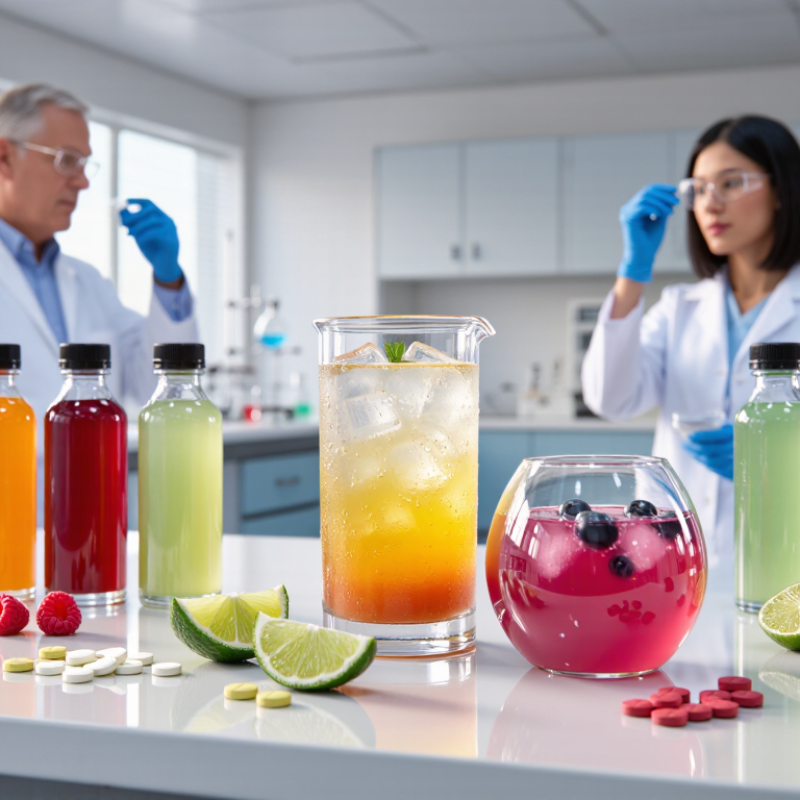
How Sweetener Blends Work in Low-Calorie Energy Drinks
How Sweetener Blends Work in Low-Calorie Energy Drinks
A sweetener blend pairs ingredients with different sensory roles. One may deliver quick sweetness, while another helps reduce lingering aftertaste or improve body. This matters in energy drinks, where acidity, carbonation, and caffeine can make sweetness feel sharper or thinner. A blend is not automatically better; the right balance depends on the full recipe and taste testing.
Consumer demand gives formulators a clear reason to explore these combinations. The International Food Information Council’s 2024 Food & Health Survey reported that 71% of Americans were trying to limit or avoid sugars. That figure signals interest, not a guarantee that every low-calorie drink will taste satisfying. Small changes in sweetener ratios can alter the first sip and the aftertaste. And there are trade-offs. Some blends taste clean at room temperature but less balanced when served cold.
Tips: Test the drink chilled and freshly opened. Adjust sweetness only after checking acidity and carbonation. Keep careful tasting notes; one imperfect batch can reveal what needs attention.
2026 Top Sweetener Blends for Low-Calorie Energy Drinks
How sweetener components can work together to create sweetness while reducing sugar.
How to read this chart
Relative sweetness compares each sweetener with sucrose at 1×. Formulators may combine sweeteners to balance sweetness onset, lingering taste, and flavor profile. These are approximate ingredient-level values—not measurements of finished blends—and reported potency varies with concentration, temperature, acidity, and formulation. Sweetness potency alone does not indicate a drink’s calorie content.
Values are representative approximations drawn from commonly reported ranges in food-science and regulatory references; monk fruit values vary substantially by extract.
Key Formulation Goals for Energy Drink Sweeteners
Key Formulation Goals for Energy Drink Sweeteners
A low-calorie energy drink still needs to taste complete, not simply sweet. Its sweetener blend should deliver sweetness quickly, soften sour notes, and avoid a bitter or lingering finish. Carbonation can make acidity feel sharper. Test the drink cold, too; a blend that works at room temperature may taste thin straight from the refrigerator. Small bench trials help reveal these gaps, though sensory panels can disagree.
Sugar reduction needs a clear reference point. The World Health Organization’s 2015 guideline recommends keeping free sugars below 10% of daily energy intake, with a conditional target below 5%, or about 25 grams daily for a 2,000-calorie diet. The U.S. Food and Drug Administration sets the Daily Value for added sugars at 50 grams on a 2,000-calorie diet. These figures describe daily diets, not an ideal amount for one drink. Still, they show why serving size and sugar per can belong in early formulation decisions.
Blends should also remain stable across the drink’s acidity, carbonation, and shelf life. Check sweetness after processing and during storage, rather than relying on a fresh sample. Keep the flavor recognizable. A crisp citrus drink should not leave a syrupy coating on the tongue. One imperfect truth: masking every bitter edge can flatten the flavor. The best balance may need another round of tasting.
Major Sweetener Blend Types Used in 2026
Major Sweetener Blend Types Used in 2026
Low-calorie energy drinks often combine sweeteners because one ingredient rarely delivers sweetness, body, and a clean finish at once. High-intensity blends pair two or more sweeteners with different sweetness profiles. One may bring a quick, bright sweetness; another can soften lingering bitterness. The balance depends on acidity, caffeine level, and flavor. Small changes matter.
Another common approach pairs a high-intensity sweetener with a modest amount of sugar or a low-calorie bulk sweetener. This can give the drink a rounder mouthfeel than high-intensity sweeteners alone. Polyols and allulose are options in some formulations, though tolerance and local requirements need careful review. Too much bulk sweetener may cause digestive discomfort for some people.
Some blends also use flavor-modulating ingredients to reduce bitter or metallic notes without simply increasing sweetness. Bench testing should include the finished drink, not just a sweetener solution: carbonation, citric acid, and cold serving temperatures can shift perception.
Taste it cold.
Sensory panels can help compare sweetness onset and aftertaste, but results vary between people. A blend that works in a citrus drink may feel cloying in berry, so repeated testing is essential. There is no perfect shortcut here.
How Sweetener Blends Affect Taste and Beverage Stability
In a low-calorie energy drink, sweetener blends shape more than sweetness. They affect how quickly sweetness arrives, how long it lingers, and how acidity feels. A sharp, fast sweetness may brighten citrus but leave a thin finish. Combining sweeteners with different taste profiles can create a rounder impression. The right balance depends on the flavor, acid level, and serving temperature. Bench testing matters.
Beverage stability deserves equal attention. Sweetness can shift during storage, especially when the drink’s acidity, heat exposure, or ingredient mix changes. Check the formula after processing and at several points during shelf-life testing. Look for cloudiness, sediment, and changes in aroma or aftertaste. A blend that tastes smooth on day one may not stay that way. Results can vary, so avoid assuming a successful kitchen trial predicts commercial performance.
Tips: Test small batches at the intended serving temperature. Record sweetness, bitterness, and finish after each sip. Then repeat after storage. It is easy to over-adjust; sometimes the less polished sample reveals what the blend is hiding.
Choosing a Blend for Different Energy Drink Formulas
Choosing a blend starts with the drink’s flavor, acidity, and carbonation—not a universal ranking. In sharp citrus formulas, a high-intensity sweetener can provide sweetness with little added bulk, but its aftertaste may stand out. Pairing sweetener types can soften that edge; test the finish after carbonation, not only in a flat bench sample. Small details matter. A cooling bulk sweetener may suit mint or berry flavors, yet clash with delicate tea notes. For context, the World Health Organization’s 2015 sugars guideline recommends keeping free sugars below 10% of daily energy, with a conditional target below 5%. That is a nutrition benchmark, not a recipe for sweetness or a low-calorie claim.
For lightly flavored or botanical drinks, use a restrained blend and check bitterness as the drink warms. Steviol glycosides can work with a small amount of a bulking sweetener, while other high-intensity options may suit bolder flavors. Neither approach is automatically cleaner tasting. Measure sweetness at serving temperature, then assess the first sip and the lingering finish. Carbonation can sharpen acidity, and caffeine can make bitterness more noticeable. I would not trust a single tasting round; that is an easy mistake. Record ingredient levels, pH, and sensory notes across repeat batches, since small changes can shift the balance. WHO, Guideline: Sugars Intake for Adults and Children, 2015.
Conclusion
Sweetener blends help low-calorie energy drinks balance sweetness while reducing sugar and calories. Combining high-intensity sweeteners with small amounts of bulk sweeteners or other taste-modifying ingredients can create a fuller mouthfeel and a more sugar-like flavor than a single sweetener may provide. Formulation goals include reaching the desired sweetness, limiting lingering or bitter notes, maintaining a clean finish, and keeping the drink’s calorie level low.
Common approaches include blends of plant-derived high-intensity sweeteners, blends that pair high-intensity sweeteners with low-calorie bulking ingredients, and combinations designed to soften acidity or flavor intensity. The right choice also depends on how the blend performs in the drink’s specific pH, processing conditions, and expected shelf life, since these factors can affect taste and stability. To determine how to choose the best sweetener blend for low-calorie energy drinks, formulators should evaluate flavor profile, sweetness onset and duration, mouthfeel, ingredient compatibility, and stability through practical tasting and storage tests.

 Diaries Biotech