In the world of health and wellness, consumers are increasingly seeking premium dietary supplements. However, many may wonder, "what is the standard purity required for premium dietary supplements?" This question is crucial, as the purity of a supplement often determines its effectiveness and safety.
Purity standards vary across different products. Some manufacturers boast high levels of purity, while others do not disclose their processes. This inconsistency can create confusion for consumers. Many people rely on labels, but those can sometimes be misleading. Quality control measures are essential for reliable supplementation.
Recognizing the significance of purity is vital. It affects not only the supplement's efficacy but also consumer health. A lack of understanding can lead to choices that do not meet personal health goals. As the demand for transparency grows, so must the commitment to higher purity standards in the dietary supplement industry.
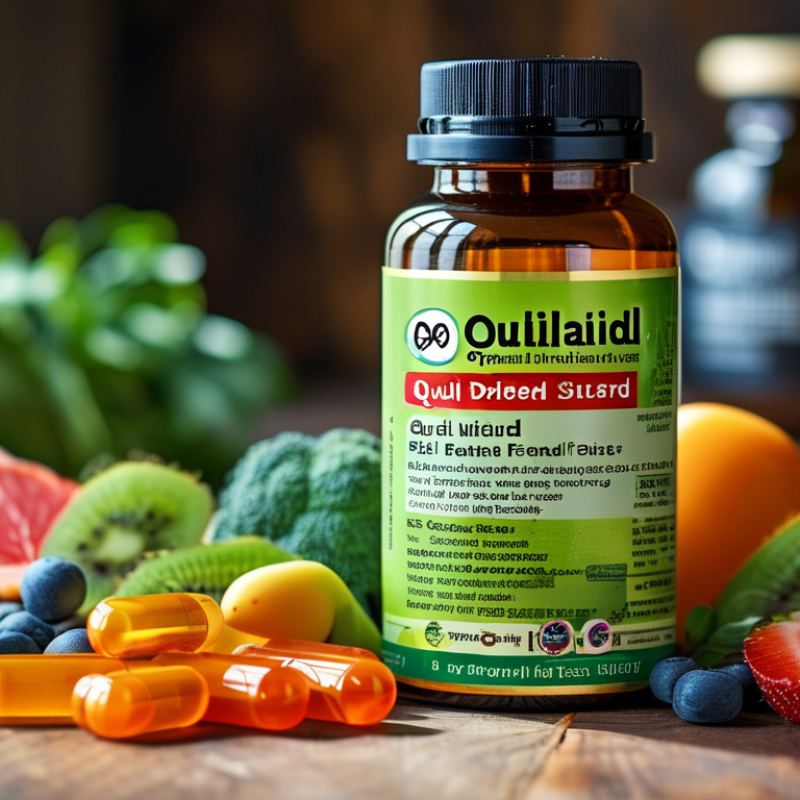
When it comes to dietary supplements, purity standards are crucial. The industry emphasizes that at least 95% purity is typically expected for premium products. However, a recent survey indicated that only about 70% of consumers are aware of this standard. This gap highlights a need for more education on what constitutes high-quality dietary supplements.
Purity levels can vary significantly among products. Research indicates that some supplements may contain only 80% active ingredients. This can lead to ineffective health outcomes. The non-profit organization ConsumerLab has reported that a number of popular supplements failed to meet the claimed purity levels. This raises concerns about the reliability of many products on the market.
Tips: Always check third-party testing for supplements. Look for seals from organizations like NSF International or US Pharmacopeia. This indicates that the product has undergone rigorous testing for purity. Transparency in ingredient sourcing is also essential. Read labels carefully to ensure you understand what you're consuming.
When considering the purity of premium dietary supplements, the focus on key nutritional ingredients is crucial. These ingredients often include vitamins, minerals, and amino acids. Each of these components has specific purity standards that ensure safety and effectiveness. A high-purity vitamin should contain minimal impurities and contaminants. For instance, a good vitamin C supplement may be verified to have at least 95% purity. This improves absorption and provides better health benefits.
Identification methods are essential in maintaining these standards. Advanced techniques, such as high-performance liquid chromatography (HPLC), help assess purity levels. However, not all manufacturers use these methods. Some may rely on less rigorous testing. This raises questions about the reliability of their claims. Transparency in the sourcing and testing of ingredients is vital for consumer trust.
Quality certifications play a significant role. Look for supplements that have been third-party tested. This adds an extra layer of verification. Nevertheless, even certified products may vary in efficacy. Consumers should remain cautious and conduct research. Understanding labels and ingredient sourcing can prevent potential health risks. Ultimately, the pursuit of purity is a shared responsibility among manufacturers and consumers.
The purity of dietary supplements is crucial for consumer safety. Regulatory bodies like the FDA and USP assess these products. They ensure supplements meet specific standards. According to a recent study by the Council for Responsible Nutrition, over 75% of consumers look for purity in products.
FDA enforces Good Manufacturing Practices (GMP), which sets guidelines for manufacturing processes. These standards help prevent contamination. However, many supplements still lack rigorous testing. A study found that nearly 30% of products did not contain the ingredients listed on their labels, raising concerns.
The role of the USP is significant in establishing quality benchmarks. They provide certification that the product meets quality standards. Still, not all supplements receive this certification. Consumers often face challenges with misinformation and lack of transparency. This calls for an informed approach when selecting dietary supplements.
The quest for purity in dietary supplements is paramount for health-conscious consumers. To ensure that supplements are free from contaminants and fulfill their claims, various testing methods are employed. These methods include high-performance liquid chromatography (HPLC) and gas chromatography (GC), both effective at identifying specific compounds. Advanced mass spectrometry is also used to provide detailed analyses, improving product safety and efficacy.
Tips: Always verify where the supplements are sourced. Third-party testing can help confirm purity. Look for transparency in labels and company practices. Regular audits can highlight areas for improvement in manufacturing processes.
Understanding the importance of rigorous testing is crucial. Supplements should be analyzed for heavy metals, microbial contamination, and chemical residues. Consumers must remain cautious. Not every product on the market meets high purity standards. Realizing that some brands may not fully disclose testing methods could lead to skepticism. A healthy dose of awareness is key in navigating the dietary supplement landscape.
As the dietary supplement market grows, purity standards become more critical. Many consumers seek products with clear labeling and trusted sourcing. They want to ensure what they consume meets certain quality benchmarks. The emphasis on premium supplements is shaping industry practices, leading to more rigorous testing for contaminants.
Various organizations are spearheading efforts to establish these standards. Third-party testing has become a key trend. This independent verification builds consumer trust. Manufacturers now often showcase these certifications on their packaging. However, not all tests are equal; consumers should seek reliable sources of information.
Some companies focus solely on ingredient sourcing, neglecting the production process. This oversight can lead to inconsistencies in purity levels. As buyers, knowing these details is important. Transparency remains a challenge across the industry. Consumers are encouraged to stay informed and demand accountability from brands. This approach enhances not only personal well-being but also the overall integrity of the dietary supplement market.
: Purity ensures consumer safety and product efficacy. Contaminated supplements can harm health.
They assess products to meet specific standards and enforce regulations like Good Manufacturing Practices.
Third-party testing verifies purity independently, boosting consumer trust in the products.
Methods include high-performance liquid chromatography (HPLC) and mass spectrometry for detailed analysis.
Many products lack transparency and can misrepresent ingredient quality or sourcing practices.
Not all products meet high purity standards. Some brands may not fully disclose testing methods.
They should verify sourcing, seek transparency in labeling, and look for third-party certifications.
No, studies show that a significant percentage may not contain ingredients as labeled, raising concerns.
Transparency is often lacking. Consumers must demand accountability and seek reliable information.
Growing consumer demand for premium products leads to more rigorous testing and adherence to purity standards.
The article "What is the Standard Purity for Premium Dietary Supplements?" provides a comprehensive overview of the essential purity levels that dietary supplements must meet. It begins by outlining the various standard purity levels, emphasizing the importance of high-quality nutritional ingredients and the specific purity standards associated with them. Additionally, the article discusses the role of regulatory bodies in maintaining these standards and the testing methods employed to ensure that supplements adhere to purity requirements.
Furthermore, the piece examines current industry trends regarding premium dietary supplement purity standards, highlighting an increasing consumer demand for transparency and quality assurance. Overall, it addresses the critical question of "what is the standard purity required for premium dietary supplements," underscoring the need for rigorous quality checks to protect consumer health and enhance product efficacy.

Diaries Biotech