When exploring the world of bulk powdered nutritional ingredients, understanding what is the shelf life of powdered nutritional ingredients in bulk storage is crucial. These ingredients, such as protein powders and vitamins, offer convenience and nutritional benefits. However, their longevity can vary widely based on several factors.
Storage conditions play a significant role. Temperature, humidity, and exposure to air can deteriorate quality over time. For example, high moisture can lead to clumping and spoilage. Therefore, proper storage techniques are essential. This knowledge is vital not only for consumers but also for manufacturers.
Challenges exist in ensuring optimal preservation. The shelf life can sometimes be shorter than expected. Regular checks and monitoring can help identify issues before they become problematic. It’s important to recognize that not all powdered ingredients have the same lifespan. Understanding these details helps you make informed decisions for health and safety.
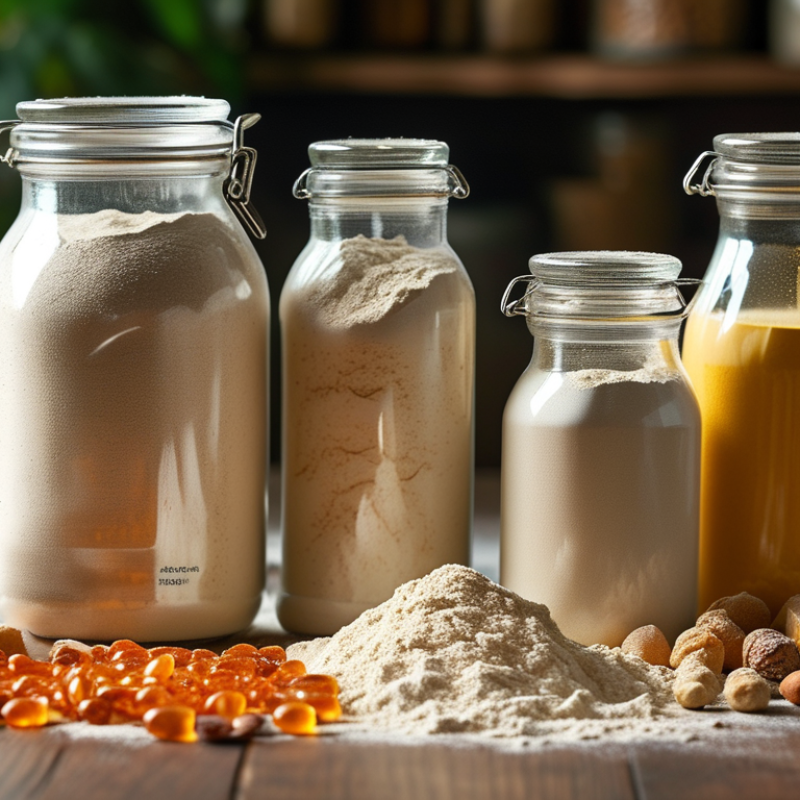
Understanding Shelf Life of Bulk Powdered Nutritional Ingredients
Understanding the shelf life of bulk powdered nutritional ingredients is essential for maintaining quality and effectiveness. The shelf life can vary widely, influenced by factors such as ingredient type, storage conditions, and packaging. Typically, these ingredients can last from six months to several years. However, without proper care, they may lose potency and nutritional value.
To preserve quality, proper storage is vital. Keep powdered ingredients in a cool, dry place. Exposure to moisture can lead to clumping or spoilage. Use airtight containers to limit air exposure. Check for signs of degradation, like changes in color or odor. These indicators can inform you of the ingredient's health.
Consider these tips when managing bulk nutritional products. Always check expiration dates when purchasing. Rotate your supplies, consuming older products first. Regularly inspect your stock, as it can be easy to overlook dust or product changes. Being proactive in these areas ensures you make the most of your ingredients. Careful management can save money and maintain nutritional benefits.
Factors Affecting the Shelf Life of Nutritional Powders
When considering the shelf life of bulk powdered nutritional ingredients, multiple factors come into play. One major aspect is moisture. Excess moisture can lead to clumping and spoilage. It’s essential to store powders in a cool, dry place to maintain their quality. Temperature variations can also affect the stability of the nutrients. Warm environments can accelerate degradation, diminishing the powders' effectiveness over time.
Packaging significantly influences shelf life as well. Airtight containers can help protect against exposure to air and humidity. However, choosing the right material is vital. Glass, for example, is airtight but heavy. Plastic is lighter but might not provide the same level of protection. Balance these factors based on your needs.
Here are some tips for maintaining the shelf life of your nutritional powders: First, always check the expiration date before purchasing. Secondly, use moisture-absorbing packets in the container. Lastly, avoid using wet utensils when accessing the powder. Implement these practices to ensure your nutritional powders stay fresh for as long as possible. It’s important to regularly review your storage methods. Adjusting your approach can lead to improved longevity.
Shelf Life of Bulk Powdered Nutritional Ingredients Tips - Factors Affecting the Shelf Life of Nutritional Powders
| Nutritional Powder |
Average Shelf Life (Months) |
Storage Conditions |
Factors Affecting Shelf Life |
| Whey Protein Isolate |
24 |
Cool, dry place |
Moisture, heat, light exposure |
| Soy Protein Isolate |
18 |
Sealed container, away from sunlight |
Humidity, oxygen exposure |
| Pea Protein Powder |
12 |
Cool, dry area |
Air exposure, contaminants |
| Casein Protein |
30 |
Cool, dark place |
Light, moisture, temperature fluctuations |
| Brown Rice Protein |
12 |
Dry, airtight container |
Pest infestation, moisture levels |
Best Practices for Storing Bulk Powdered Nutritional Ingredients
Proper storage of bulk powdered nutritional ingredients is crucial for maintaining their quality and effectiveness. According to industry research published by the Food Institute, improper storage can reduce the potency of vitamins and minerals significantly. Nutritional powders are highly sensitive to moisture, light, and temperature fluctuations, which can lead to spoilage or degradation.
One important tip is to keep these ingredients in a cool, dark environment. A temperature range of 50°F to 70°F is ideal. Consider using airtight containers to prevent moisture exposure. According to a study by the International Journal of Food Science, even small amounts of moisture can create an environment for mold growth, compromising product safety.
Label containers with expiration dates for better tracking. Research shows that most powered ingredients have a shelf life of 12 to 36 months, depending on the type. Regularly check for any signs of clumping or discoloration. These can indicate spoilage. Storing in a dry, temperature-stable location is essential to prolonging the shelf life. Implement these practices to ensure the quality of nutritional ingredients over time.
Identifying Signs of Spoilage in Nutritional Powders
Nutritional powders can spoil, affecting their efficacy and safety. Identifying spoilage is crucial for consumers and manufacturers alike. Signs of spoilage include changes in color, texture, and odor. For instance, a powder may develop clumps or a hardened consistency. A rancid smell is often an indicator of fat oxidation. According to the Food and Agriculture Organization (FAO), nutrient degradation can lead to a loss of essential amino acids and vitamins.
To ensure the quality of nutritional powders, proper storage is vital. Keep these products in a cool, dry place. Avoid exposure to moisture and direct sunlight, which can accelerate spoilage. Using airtight containers can help maintain freshness. Always check for consistency and smell before use. If something seems off, it’s best to discard the product.
Consumers should also pay attention to expiration dates. Over time, even unopened products can lose their potency. Studies suggest that proteins in powder form can degrade rapidly after their expiration date, leading to potential health risks. Regularly reassessing your inventory can minimize waste and ensure safety. Prioritizing these tips can help preserve the effectiveness of nutritional powders.
Tips for Extending the Shelf Life of Bulk Nutritional Powders
When it comes to bulk nutritional powders, preserving freshness is key. Proper storage plays a significant role in extending shelf life. Use airtight containers to protect against moisture and contamination. Store these containers in a cool, dark place. High temperatures can rapidly degrade important nutrients. Keeping products well-sealed can help avoid spoilage and oxidation.
Regularly check the powder for any signs of clumping or off odors. These are indicators that the product might be compromised. Even with ideal storage, nutritional quality could diminish over time. Consider using a rotation system. By utilizing older stock first, you can prevent forgetting about slower-moving products. Awareness of expiration dates is crucial.
Educating yourself about optimal storage conditions makes a difference. Seek guidance from reliable sources. While some ingredients might last longer than others, not all powders are created equal. Reflect on your purchasing habits. Buying in smaller quantities may result in less waste and maintain nutrient integrity.
Conclusion
Understanding the shelf life of bulk powdered nutritional ingredients is crucial for maintaining their efficacy and safety. The shelf life of these products varies based on several factors, including the type of ingredient, packaging, and storage conditions. To determine what is the shelf life of powdered nutritional ingredients in bulk storage, it’s important to consider elements such as moisture exposure, temperature fluctuations, and light exposure, all of which can impact product integrity.
Adopting best practices, such as storing powders in a cool, dry place and using airtight containers, can significantly enhance their longevity. It is also vital to regularly check for signs of spoilage, such as off-odors or discoloration, which may indicate that the product is no longer safe for consumption. By implementing these tips and understanding the factors at play, one can effectively extend the shelf life of bulk nutritional powders, ensuring they remain beneficial for longer periods.

 Diaries Biotech