Natural colorants are becoming increasingly popular in the beverage industry. However, many manufacturers face a significant challenge: why do natural colorants fade quicker in acidic beverage formulations? According to Dr. Lisa Tran, a noted expert in food science, "The chemical stability of natural colorants is heavily influenced by pH levels." This quote underscores the complexity of maintaining vibrant colors in drinks.
In acidic environments, the stability of anthocyanins and carotenoids, widely used natural colorants, diminishes. Factors like temperature and exposure to light can exacerbate this fading. The intricate nature of these compounds often leads to unpredictable behavior in acidic conditions, challenging for product developers. It necessitates a deeper understanding of both chemistry and technology to find effective solutions.
Nonetheless, there is hope. Researchers are exploring new stabilizers and extraction methods to preserve color integrity. As the demand for natural ingredients grows, addressing this issue becomes imperative. Crafting beverages that retain their appealing color can significantly enhance consumer experience and trust. Tackling “why do natural colorants fade quicker in acidic beverage formulations” is essential for advancing this industry. Striving for improvements brings us closer to realizing vibrant, all-natural drinks.
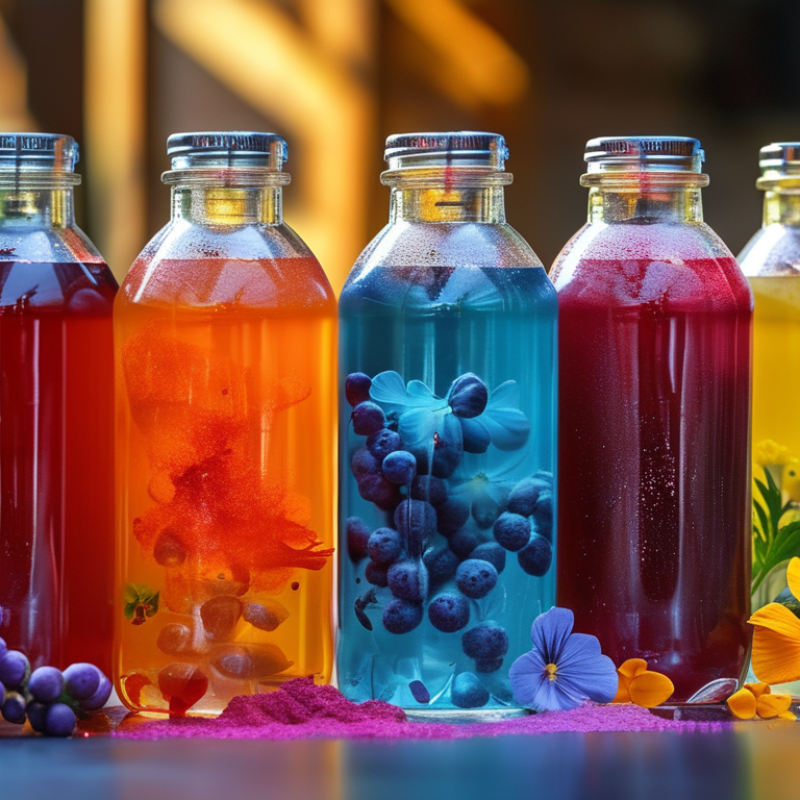
Natural colorants derive from various plant and animal sources. Common examples include beet juice, spinach, and turmeric. These colors are appealing and often healthier than synthetic options. Their origins add a layer of authenticity to food and drinks. However, their stability can vary widely. This makes understanding their properties essential for manufacturers.
When used in beverages, especially acidic ones, natural colorants face challenges. The low pH in these drinks can cause rapid fading. For instance, anthocyanins from berries can lose vibrancy in citrus drinks. This reaction occurs because acids can break down the chemical structure of these colorants. It raises critical questions about formulation. How can producers maintain color integrity? It requires careful consideration of the beverage's pH and the choice of colorant.
Despite their advantages, natural colorants are not foolproof. Variability in sourcing can lead to inconsistent results. Different batches of the same plant may produce varying shades. This inconsistency poses a significant hurdle. It is crucial for producers to reflect on these aspects. Understanding the science behind natural colorants can help enhance their application. This insight is integral for creating visually appealing and stable products.
This chart illustrates the stability of natural colorants in beverages with different pH levels. As the acidity increases, the color intensity of the natural colorants diminishes, highlighting the challenges in using natural coloring agents in acidic environments.
The chemistry of acidic beverages plays a crucial role in the stability of natural colorants. Generally, acidic pH levels range from 4 to 6. This environment can destabilize many colorants derived from natural sources, like beet juice or spirulina. In these beverages, the acidity can cause a breakdown of colorant molecules, leading to fading.
Many consumers expect vibrant colors in their drinks. However, these colors often fade quickly in acidic conditions. The interaction between acidic ingredients and colorants can lead to a loss of hue. This deterioration is sometimes hard to notice. Gradually, the drink may not look as appealing, even if the taste remains unchanged.
Understanding the pH levels helps manufacturers, but it can be a challenge to achieve lasting color in drinks. Some colorants simply do not perform well in acidic conditions. This reality raises questions about consumer expectations. If natural colorants fade, should we prioritize stability over purity? The search for solutions continues as the beverage industry evolves.
Natural colorants, derived from plants, are popular for their vibrant hues. However, their stability can be significantly affected by pH levels. Acidic beverages, such as citrus juices, create an environment where these colorants tend to fade more rapidly. This reaction is primarily due to the interaction between the colorant molecules and the hydrogen ions present in these beverages.
When natural colorants are subjected to low pH, the structure of their molecules can change. These changes often lead to a loss of color intensity. For example, anthocyanins, found in berries, are known to shift in color when exposed to acidic conditions. This shift is a fascinating scientific phenomenon yet demonstrates the limitations of using natural colorants in certain applications.
While manufacturers emphasize the benefits of using natural ingredients, the instability of these colorants in acidic environments creates challenges. Color fading might not be a pressing issue in some contexts but can impact the visual appeal of beverages significantly. It’s a reminder that while natural solutions can be healthier, they come with drawbacks that require thoughtful consideration.
Natural colorants are increasingly favored in food and beverage industries. However, their stability can be a concern, particularly in acidic environments. Research indicates that natural anthocyanins, for instance, can degrade significantly when exposed to low pH levels. This degradation can occur within days, leading to noticeable color loss in products.
The mechanisms behind this degradation are complex. Acidic conditions can promote hydrolysis and oxidation, breaking down the pigment structure. A study published in the "Journal of Food Science" highlights that natural colorants can lose up to 50% of their intensity in beverages with a pH below 3. This rapid fading is problematic for manufacturers aiming for vibrant visual appeal.
Factors such as temperature and light further exacerbate colorant instability. High temperatures can accelerate chemical reactions, increasing the rate of degradation. Prolonged exposure to light can also compromise color integrity, leading to dull appearances. Many producers grapple with these challenges, seeking solutions to enhance color stability. Research and innovation are essential to navigate this issue in the growing marketplace for natural food colors.
Natural colorants are gaining popularity, especially in beverages. However, studies reveal that these colorants fade more quickly in acidic environments compared to synthetic alternatives. A 2022 report from the Beverage Industry journal noted that natural anthocyanins, derived from fruits like berries, can lose 30% of their color in just a week when exposed to pH levels below 4. This is a striking difference from synthetic dyes, which maintain their hue significantly longer under the same conditions.
The fading of natural colorants poses challenges for beverage manufacturers aiming for vibrant aesthetics. It reflects a crucial trade-off between health appeal and visual impact. A survey by the Food Science Institute indicated that over 65% of consumers prefer drinks with natural ingredients. However, nearly 75% admitted that color intensity influences their snack and beverage purchasing choices. This discrepancy leads to a dilemma for brands: pursue cleaner labels at the risk of reduced consumer appeal or rely on synthetic options that might lack the same health perception.
Exploring natural versus synthetic colorants unveils a complex landscape. Nutritional benefits of natural ingredients are well-documented, yet they often compromise visual stability. The need for innovation in stabilization techniques is evident. As the demand for natural products rises, so does the challenge of preserving their vibrant colors in acidic beverages.
| Colorant Type | pH Level | Color Stability (Days) | Percentage Fade (3 Days) | Source |
|---|---|---|---|---|
| Natural Beet Juice | 4.0 | 5 | 70% | Vegetables |
| Curcumin (Turmeric) | 6.0 | 10 | 30% | Spices |
| Anthocyanins (Red Cabbage) | 3.5 | 7 | 65% | Fruits & Vegetables |
| Synthetic Red 40 | 4.5 | 30 | 5% | Chemical Synthesis |
| Caramel Color | 5.0 | 25 | 12% | Sugar Processing |
: Natural colorants are dyes obtained from various plants and animals. They include sources like beet juice and turmeric.
Natural colorants often provide healthier options. They also add authenticity to food and beverages.
Low pH levels can cause rapid fading of natural colorants. This is especially true in acidic beverages.
Anthocyanins from berries can lose vibrancy in citrus drinks. Acids break down their molecular structure.
Inconsistency in batches can lead to varying shades. This variation poses a significant challenge in production.
No, their stability can vary widely. Environmental factors influence their performance in different applications.
It’s crucial for ensuring visually appealing and stable products. Knowledge of their properties aids in effective formulation.
Yes, color fading in acidic conditions can significantly affect a beverage's appearance.
Yes, their inconsistency and instability can present challenges. Reflecting on these issues is necessary for improvement.
They need to assess the beverage's pH and select appropriate colorants to maintain color integrity.
Natural colorants are derived from various plant and animal sources, providing a vibrant appearance to beverages. However, these colorants face challenges in maintaining their stability, especially in acidic beverages. This article explores why do natural colorants fade quicker in acidic beverage formulations, focusing on the chemistry of acidic environments and their pH levels.
As the pH decreases, the chemical structure of natural colorants can be altered, leading to degradation. The mechanisms of this degradation involve several factors, including the formation of unstable compounds and the breakdown of colorant molecules. Additionally, a comparative analysis between natural and synthetic colorants reveals that synthetic alternatives may offer greater stability in such acidic conditions, raising important considerations for beverage manufacturers when selecting colorants for their products.

Diaries Biotech