How to Effectively Mask Bitter Herbal Extracts in Foods?

Time:2026-07-21 Author:Sienna
0%

In the world of functional foods, the integration of herbal extracts is becoming increasingly popular. However, many of these extracts come with a notably bitter taste. Consequently, food developers face a challenge: how to mask the bitter taste of herbal extracts in functional foods. The importance of this task cannot be overstated, as bitter flavors can deter consumers from enjoying health benefits.

Crafting a successful solution requires both expertise and creativity. Various methods can be employed, from flavor balancing techniques to innovative ingredient combinations. For instance, sweeteners, citrus, or spices can help mask bitterness effectively. These approaches not only enhance palatability but also preserve the healthful properties of the herbs. Yet, finding the right balance can be tricky. Overusing sweeteners or certain flavors may lead to overwhelming tastes.

Ultimately, addressing the bitterness of herbal extracts demands both reflection and experience. Food developers often find that trial and error play a significant role in achieving the best outcomes. Understanding consumer preferences is crucial. With the right strategies, it's possible to create delicious functional foods while harnessing the benefits of herbal extracts.
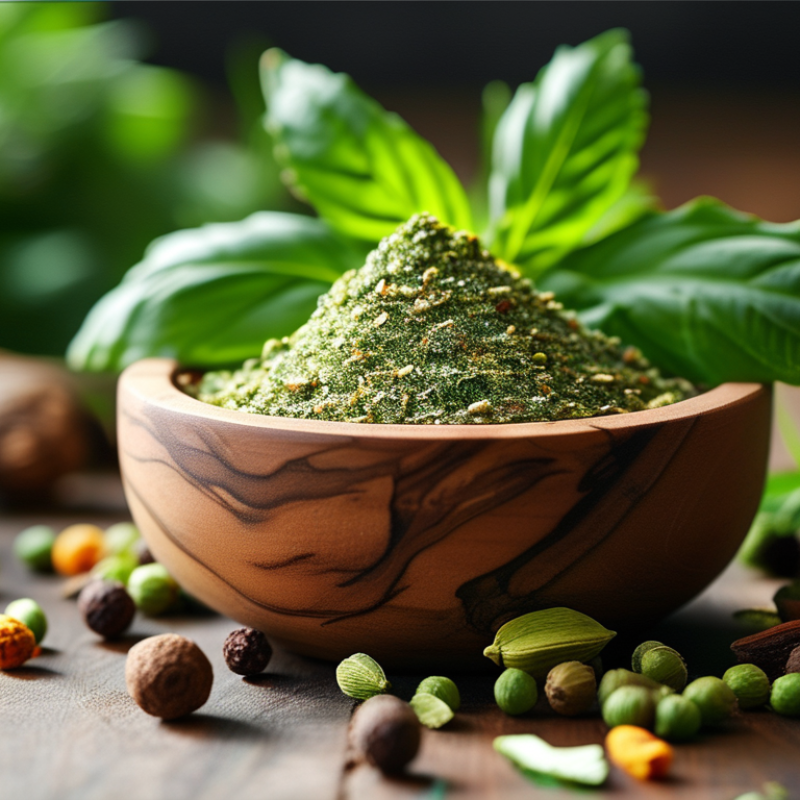
How to Effectively Mask Bitter Herbal Extracts in Foods?

Understanding Bitter Herbal Extracts: Characteristics and Challenges

Bitter herbal extracts are common in many diets. Their health benefits are well-known, yet they pose challenges in food formulation. This bitterness can deter consumers, making acceptance problematic. Studies show that about 30% of consumers prefer products that lack noticeable bitterness. Understanding the characteristics of these extracts is essential for effective masking strategies.

The chemical compounds in bitter herbs, like alkaloids and flavonoids, play a significant role in their intense flavors. These compounds often create a conflict with sweet and savory notes in food. For example, research suggests that balancing the perception of bitterness requires a careful blend of sweetness and acidity. A study by the Institute of Food Technologists highlights that sugar can reduce bitterness perception by up to 50%. Artful combinations can enhance palatability while maintaining the extract’s health benefits.

Using flavors, such as citrus or vanilla, can also mask bitterness effectively. However, these methods are not foolproof. Some extracts may still dominate, leading to an unbalanced taste. This creates a dilemma for food manufacturers seeking to incorporate beneficial herbs while pleasing consumers. Continuous testing and consumer feedback are crucial for refining these masking techniques.

Common Applications of Bitter Herbal Extracts in Food Products

Bitter herbal extracts are often used in various food products. They offer health benefits but can be difficult to consume due to their unpleasant taste. Common applications include dietary supplements, snacks, and beverages. These extracts are packed with nutrients and potential therapeutic properties.

In beverage formulations, for instance, bitter herbs can enhance flavor complexity. Using citrus or sweeteners can help mask the bitterness. In snack foods, combining herbal extracts with savory flavors can create a unique taste experience. While these methods can be effective, they may not completely eliminate the bitterness.

Despite the creativity in masking flavors, some consumers remain sensitive to bitterness. This may require more innovative approaches in formulation. The balance between health benefits and taste is a challenging but essential aspect of product development. Continuing to experiment and gather feedback can improve consumer satisfaction over time.

Methods for Masking Bitterness in Culinary Practices

Bitterness is a common challenge when using herbal extracts in cooking. However, several techniques can help mask this unpleasant flavor while still retaining the health benefits of the herbs. One effective method is to incorporate sweet and savory ingredients. For instance, honey or maple syrup can balance bitterness naturally. Similarly, adding ingredients like garlic or onions can enhance overall flavor, making the bitterness less noticeable.

When using bitter herbal extracts, consider the preparation method. Cooking forms like roasting or sautéing can reduce bitterness effectively. Incorporating citrus elements, such as lemon or lime, can add brightness and counterbalance bitter notes. Fresh herbs, like basil or cilantro, can enhance the dish and provide a refreshing contrast to the bitterness.

Tips:
Experiment with spice blends. Certain combinations, like cumin and paprika, can distract from bitterness. Adjusting cooking times may also help; undercooking can leave the herbs with sharp flavors. Always taste as you go. Small adjustments can lead to a perfectly balanced dish.

Flavor Pairing: Complementary Ingredients to Counteract Bitterness

When incorporating bitter herbal extracts into foods, pairing flavors is crucial. Certain ingredients can effectively counteract bitterness. For instance, sweet components like honey or maple syrup can mellow harsh flavors. Fruit purees, especially those with natural sweetness, can also create a pleasant balance.

Tips: Experiment with different ratios of sweet to bitter. This may take time. Taste testing is essential to find the right balance.

Another effective strategy is using acidity. Lemon juice or vinegar can brighten dishes and distract from bitterness. Herbs and spices like cinnamon or ginger may also enhance the overall flavor profile. They can create complexity, diverting attention from unwanted bitterness.

Remember, not every pairing will work perfectly. Some flavors clash unexpectedly. Be open to adjusting your ingredients based on feedback. Culinary experimentation often leads to delicious surprises.

How to Effectively Mask Bitter Herbal Extracts in Foods? - Flavor Pairing: Complementary Ingredients to Counteract Bitterness

Herbal Extract Complementary Flavor Pairing Recommended Food Items Culinary Use
Chamomile Honey, Citrus Tea, Desserts Brewed as tea, infused in syrups
Dandelion Apple, Ginger Salads, Smoothies Salads, tinctures
Wormwood Citrus, Nutmeg Cocktails, Bitters Used in cocktails, flavoring agents
Bitter Orange Chocolate, Vanilla Dressings, Desserts Use in dressings, baked goods
Peppermint Chocolate, Cream Ice Cream, Cakes Flavoring sweets and desserts

Testing and Adjusting Flavor Profiles for Consumer Acceptance

Bitter herbal extracts can present a challenge in food applications. The key to success lies in understanding consumer preferences. According to recent studies, over 70% of consumers rank taste as the most important factor in food choices. Flavor masking becomes essential for enhancing acceptance.

Conducting flavor profile testing is a practical approach. Focus groups can help assess various formulations. Small batches allow for adjustments based on real-time feedback. One study noted that 65%% of participants favored mild sweetness to counteract bitterness. Adding natural sweeteners or fruity notes can improve overall acceptance. However, over-sweetening might lead to a different set of issues.

Professionals must also consider regional preferences. Cultural influences dictate flavor profiles significantly. What works in one market may fail in another. Continuous refinement is crucial for consumer satisfaction. Regular sensory evaluations can highlight areas for improvement. Striking a balance between health benefits and palatability remains a complex challenge. Testing should not only validate the taste but also ensure the food maintains its nutritional integrity.

FAQS

: What are bitter herbal extracts?

: Bitter herbal extracts are common in many diets and known for their health benefits.

Why do some consumers dislike bitter flavors?

About 30% of consumers prefer products without noticeable bitterness, making acceptance challenging.

How can bitterness be masked in foods?

Balancing bitterness with sweet and savory ingredients, such as honey, can help.

What cooking methods reduce bitterness?

Roasting or sautéing can effectively reduce the bitter taste of herbal extracts.

Are there effective flavor pairings to counteract bitterness?

Sweet components like honey or fruit purees can mellow harsh flavors.

Can acidity help mask bitterness?

Yes, adding lemon juice or vinegar can brighten the dish and reduce bitterness perception.

Is there a risk of flavor clashes when masking bitterness?

Yes, not every flavor pairing works perfectly. Adjustments may be needed based on taste.

How important is consumer feedback in refining flavors?

Continuous testing and consumer feedback are crucial for developing effective masking techniques.

Should I taste as I cook?

Yes, tasting regularly allows for small adjustments to achieve a balanced flavor.

Can culinary experimentation lead to unexpected results?

Absolutely! Trying new combinations can surprise you with delicious outcomes.

Conclusion

Effectively masking the bitter taste of herbal extracts in functional foods is a crucial aspect of enhancing palatability and consumer acceptance. This article explores the characteristics and challenges associated with bitter herbal extracts, which are commonly used in various food products for their health benefits. It discusses several culinary methods for masking bitterness, such as incorporating complementary flavors and adjusting texture, alongside the importance of flavor pairing with ingredients that can counteract bitterness.

Additionally, the article emphasizes the significance of testing and refining flavor profiles to meet consumer preferences. By understanding how to mask the bitter taste of herbal extracts, food developers can create more enjoyable and marketable products, ensuring that the benefits of these extracts can be fully realized without compromising taste.

Sienna

Sienna

Sienna is a skilled marketing professional with a deep expertise in our company’s core products and services. With a passion for innovation and detail, she plays a pivotal role in crafting insightful blog posts that not only highlight the unique features of our offerings but also provide valuable......