The effects of sunlight on cosmetic active ingredients raise important questions. Many consumers wonder, "why do cosmetic active ingredients degrade faster under direct sunlight?" This phenomenon can impact the effectiveness and longevity of skincare products.
Understanding the chemistry of these ingredients is essential. Sunlight can cause chemical reactions that break down active compounds. These reactions create less effective or even harmful substances.
Studies indicate that UVA and UVB rays can penetrate deeper than previously thought. Ingredients like retinol and vitamins can lose their potency quickly. Consumers may not realize the dangers of storing products in sunny areas. The knowledge around this topic is growing, yet many myths persist. Awareness is crucial for making informed choices.
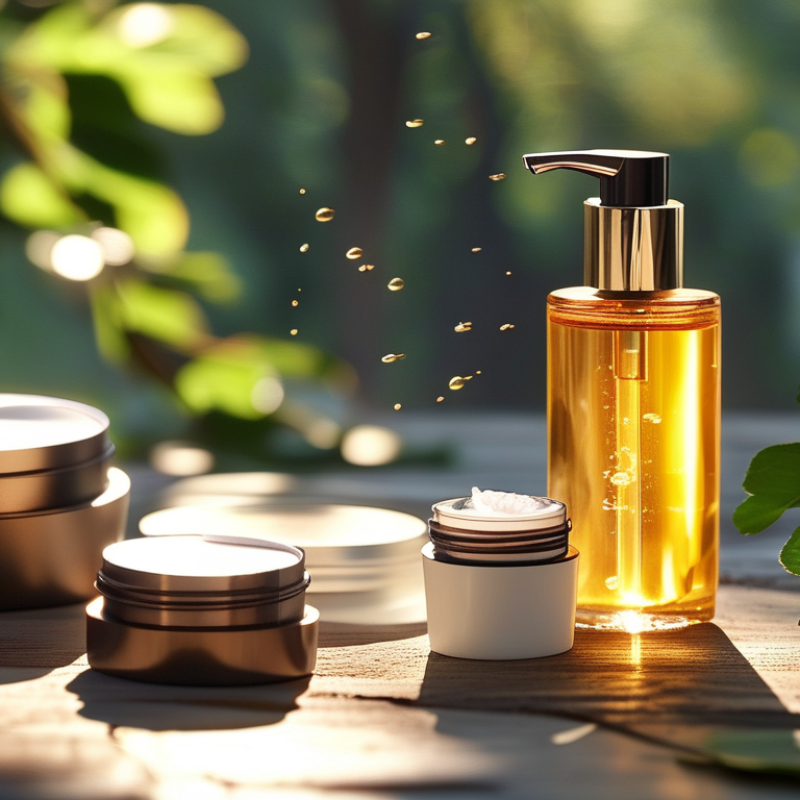
Cosmetic active ingredients play a crucial role in skincare formulations. They are designed to provide benefits such as hydration, anti-aging, or sun protection. However, exposure to sunlight can significantly degrade these ingredients. Understanding their vulnerability can help us make better choices.
Active ingredients like vitamins and peptides can break down when exposed to UV rays. This degradation reduces their effectiveness. Light, especially sunlight, can cause reactions that compromise the stability of these compounds. For example, Vitamin C is sensitive to light. When in direct sunlight, it can quickly oxidize and lose its potency. This might leave your skin unprotected and your product less effective.
**Tips:** Always store your skincare products in a cool, dark place. Look for opaque or dark bottles that shield active ingredients from light. Additionally, check expiration dates, as ingredients degrade over time, even in perfect conditions. Consider using products with stabilizers for added protection against degradation. Remember, the effectiveness of your skincare routine often hinges on how you store and use these active ingredients.
This chart illustrates the degradation rates of various cosmetic active ingredients when exposed to sunlight over a period of time. The data highlights the importance of formulation and protective measures to enhance the stability of these ingredients.
Sunlight plays a significant role in the degradation of cosmetic active ingredients. When exposed to UV radiation, these compounds undergo chemical reactions. These reactions can alter their structure and effectiveness. This degradation reduces the intended benefits, potentially disappointing consumers seeking reliable skincare solutions.
Moreover, factors such as temperature and humidity can exacerbate this degradation. For instance, high temperatures can accelerate the breakdown of sensitive ingredients. It’s vital to store products in a cool, dark place to prolong their shelf life. However, many consumers may overlook this aspect, leading to diminished results in their skincare routines.
This issue raises questions about formulation practices in the cosmetic industry. Are manufacturers doing enough to protect their ingredients from sunlight? Innovations in packaging, such as UV-blocking containers, can make a difference. Yet, the consumer still bears the responsibility of proper storage. This interplay between product formulation and user habits can significantly affect the efficacy of cosmetic products.
Sunlight significantly impacts the stability of cosmetic active ingredients. UV rays can lead to the degradation of compounds such as antioxidants and peptides. A report from the Journal of Cosmetic Science highlighted that nearly 50% of certain actives can lose efficacy within hours of sun exposure. This rapid degradation can compromise product effectiveness and affect skin health.
Several factors influence how ingredients degrade in light. The chemical structure of the active ingredient plays a crucial role. For instance, Vitamin C is notoriously unstable and sensitive to light. Even slight changes in temperature can affect its potency. Storage conditions, such as humidity and exposure to air, also matter. A study published in the International Journal of Cosmetic Science revealed that products stored in clear containers were more prone to degradation.
Formulation techniques can help protect active ingredients. Encapsulation methods can shield sensitive compounds from light and moisture. However, finding the right balance between effectiveness and stability requires careful consideration. Not all techniques guarantee long-lasting protection. A reflection on these uncertainties highlights the need for ongoing research in this field. It raises questions about how to ensure consumers receive the full benefits of active ingredients in their cosmetics.
Cosmetic active ingredients can break down quickly when exposed to sunlight. This degradation affects their efficacy. Protecting these ingredients is essential for maintaining product performance.
To shield your skincare from sunlight degradation, consider using opaque packaging. Dark or tinted bottles can block harmful UV rays. This simple change can extend the life of your cosmetics significantly. Additionally, store products in cool, dark places. A bathroom shelf by a bright window may not be the ideal spot.
Using antioxidants in formulations is another protective measure. Antioxidants can counteract the damaging effects of UV exposure. However, they need to be present in adequate concentrations to be effective. Regularly reassess your skincare routine for any products that lack proper protection. Adapting your habits can lead to better results for your skin.
Sunlight can significantly accelerate the degradation of cosmetic active ingredients. Studies indicate that UV radiation can decrease the efficacy of these components, impacting consumer safety and product performance. For instance, research shows that vitamins, like Vitamin C, lose potency after just one hour of UV exposure. This loss raises concerns regarding the effectiveness of formulations that rely on these ingredients.
Formulators must consider such degradation factors during the product development phase. Formulations should prioritize light stability. The use of air-tight, opaque packaging can help shield sensitive ingredients. Moreover, incorporating stabilizers or antioxidants can extend shelf life. Consumers should be cautious with products containing vulnerable actives.
Tips: Always store your products in a cool, dark place. Avoid exposing them to direct sunlight. Rotate your inventory and use older products first. Regularly check expiration dates to maximize efficacy. Staying informed can help consumers make safer choices while choosing their skincare essentials.
| Active Ingredient | Degradation Rate in Sunlight (%) | Formulation Implications | Safety Concerns |
|---|---|---|---|
| Vitamin C | 30% | Requires stable formulations; consider encapsulation. | Potential for reduced efficacy. |
| Retinol | 40% | Use of opaque containers recommended. | Increased risk of irritation and instability. |
| Niacinamide | 10% | Stable under UV exposure, but formulation still important. | Generally safe, but concentrations matter. |
| Ascorbic Acid | 50% | Encapsulation and light-blocking packaging recommended. | Possible adverse effects from degradation products. |
| Hyaluronic Acid | 5% | Usually stable but formulation should be pH balanced. | Low risk, generally safe for use. |
: They provide benefits like hydration, anti-aging, and sun protection in skincare formulations.
Sunlight can cause reactions that reduce the stability and effectiveness of ingredients.
Vitamin C is sensitive to light and can oxidize quickly in direct sunlight, losing potency.
Store them in a cool, dark place away from sunlight to maintain effectiveness.
Opaque or dark bottles are preferable as they block harmful UV rays.
They counteract UV damage but need to be present in adequate amounts to be effective.
Always review expiration dates and product stability, especially if not stored properly.
Consider reassessing your routine and the protective measures used in your products.
No, bright areas, like near windows, can degrade ingredients over time.
Regular reassessment can lead to better results and adapt to changing needs.
The degradation of cosmetic active ingredients under direct sunlight raises significant concerns regarding product efficacy and safety. Understanding why cosmetic active ingredients degrade faster under direct sunlight involves examining the role of UV radiation in chemical breakdown and the factors that influence their stability, such as formulation and packaging. Certain ingredients may be more susceptible to photodegradation, leading to reduced potency and altered effectiveness.
To combat these challenges, manufacturers can implement protective measures, including the use of stabilizers, UV-absorbing compounds, and opaque packaging. These strategies are essential not only for enhancing the longevity of cosmetic products but also for ensuring consumer safety, as degraded ingredients may pose risks. Ultimately, a clear understanding of these factors is crucial for effective product formulation that maintains the integrity of active ingredients, providing consumers with safe and efficacious cosmetic options.

Diaries Biotech