In recent years, the food industry has seen a significant shift towards clean label ingredients. Consumers are more aware than ever of what they consume. As a result, there's a growing demand for transparency and simplicity in food products. Experts like Dr. Anna Lee, a food science authority, highlight this trend. She states, "Clean label ingredients reflect a shift in consumer values towards health and responsibility." This sentiment captures the essence of why are clean-label ingredients transforming the global food industry.
Clean label ingredients offer numerous benefits. They often contain fewer artificial additives and chemicals. This shift aligns with the increasing preference for natural, recognizable components. Many companies are now reformulating their products to meet these expectations. However, achieving clean label status can be challenging. Some manufacturers worry that this could impact shelf life and flavor. Despite these concerns, the movement towards clean labels is gaining momentum.
Transparency is critical in today’s market. Companies must commit to clear labeling practices. Consumers deserve to know what’s in their food. Breakdowns of sourcing, processing, and production help build trust. Ultimately, the transition to clean label ingredients represents both an opportunity and a challenge for the food industry. It urges stakeholders to reflect on their practices.
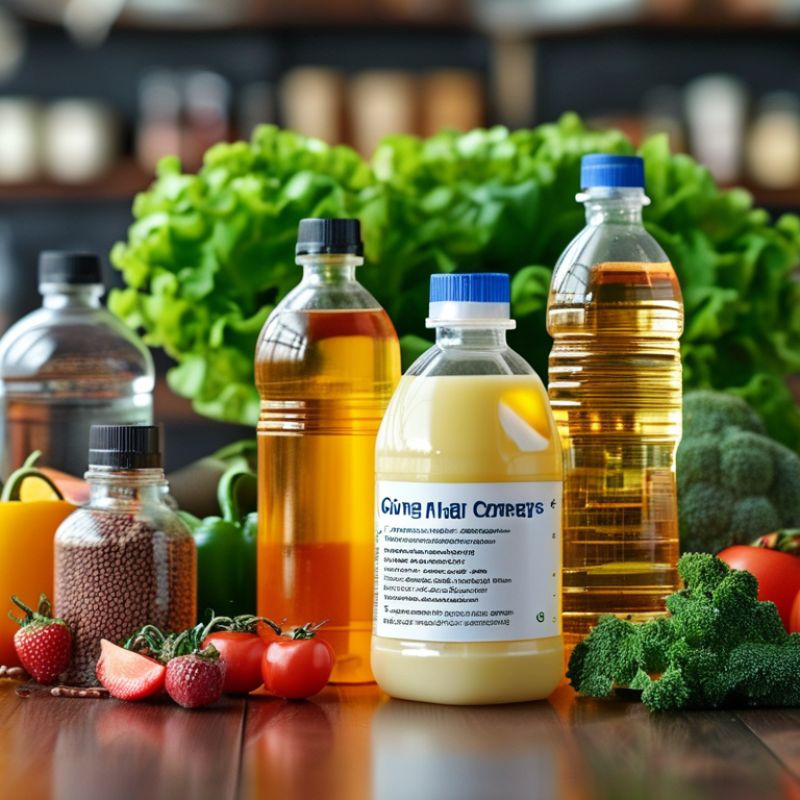
The Definition and Importance of Clean Label Ingredients
Clean label ingredients have gained significant importance in today's food industry. Consumers increasingly seek transparency about their food. They want to know what goes into their meals. Clean labels emphasize natural, simple, and recognizable ingredients. This shift is not just a trend; it reflects a growing awareness of health and sustainability.
The definition of clean label ingredients centers around minimal processing and the absence of artificial additives. These ingredients resonate with health-conscious individuals. They often reflect a commitment to purity and quality. As such, manufacturers are under pressure to reformulate products. This demands creativity and a thorough understanding of ingredient sourcing. While many brands strive for clean labels, achieving this purity can be challenging. The quest for clean labels is often hindered by supply chain complexities and the need for taste and stability.
Moreover, the importance of clean label ingredients extends to consumer trust. Transparency fosters brand loyalty. When consumers recognize ingredients and feel secure about their choices, they are more likely to purchase the product. Yet, the road to perfecting clean labels can be rocky. Balancing taste, cost, and ingredient integrity often calls for difficult trade-offs. As the demand grows, the food industry has to navigate these complexities to meet consumer expectations.
Consumer Demand for Transparency in Food Products
Consumer demand for transparency in food products is reshaping the landscape of the food industry. People want to know exactly what is in their food. Clean label ingredients provide clarity. These ingredients are often simpler and easier to understand. Consumers increasingly favor products with fewer chemicals and additives. They seek authenticity in what they consume.
This shift is evident in grocery stores where clean labels gain popularity. Shoppers scan labels, looking for short ingredient lists. Words like “natural,” “organic,” and “whole” carry weight. The desire for wholesome foods drives companies to rethink their recipes. However, not all brands prioritize transparency. Some still use complex jargon to confuse consumers. It’s crucial for buyers to stay informed and critical.
Food lovers are pushing for accountability. They want brands to source ingredients ethically. This demand leads to better practices in food production. But there is also a challenge. Many products labeled as “clean” may not be fully transparent. Consumers must discern marketing from reality. The beauty lies in the journey toward clear and honest food choices.
Health Benefits Associated with Clean Label Ingredients
The rise of clean label ingredients is reshaping the food industry, primarily due to their health benefits. Consumers increasingly demand transparency in food products. According to a report by Transparency Market Research, the clean label market is expected to reach $180 billion by 2025. This shift reflects a growing awareness of the connection between diet and health. Clean labels often feature fewer artificial additives and preservatives, aligning with a more health-conscious lifestyle.
Incorporating clean label ingredients can lead to significant health improvements. Research published by the Institute of Food Technologists indicates that consumers perceive clean label products as healthier and safer. Ingredients like whole grains, natural sweeteners, and plant-based proteins have shown to lower disease risks. However, not all clean label products guarantee health benefits. Some may still contain high levels of sugars or fats, creating a need for careful evaluation.
The emphasis on clean label ingredients isn't without challenges. Manufacturers face increased pressure to reformulate products without sacrificing taste or texture. This can lead to compromises in flavor, raising questions about sustainability in the long run. As the industry evolves, the conversation around clean labels must remain ongoing and critical.
Impact of Clean Labels on Food Production and Supply Chains
The rise of clean label ingredients is reshaping food production and supply chains. As consumers demand transparency, manufacturers face increased pressure. Clean labels emphasize natural and recognizable ingredients, steering away from artificial additives. This shift fosters a culture where raw materials are sourced more ethically. For instance, farmers are encouraged to adopt sustainable practices to meet these new standards.
However, the transition is not without challenges. Producers must adapt their processes to align with clean label principles. This often requires investment in quality supply chains. It can limit ingredient choices. For example, some traditional preservatives are banned under clean label guidelines. Companies may struggle to find suitable alternatives that maintain product safety. This demand for transparency adds complexity to supply chain management.
Despite these hurdles, the long-term impact is positive. Clean labels encourage innovation. Manufacturers are motivated to explore new recipes and processing techniques. They foster collaboration with suppliers who prioritize quality and sustainability. As a result, consumers gain trust. They're more willing to support brands that align with their values. The ripple effects of clean labels might redefine food standards, inviting deeper reflection on our food systems.
10 Reasons Clean Label Ingredients Are Transforming the Food Industry
The chart above illustrates the impact factors driving the transformation of the food industry towards clean label ingredients. The percentages reflect the influence each factor has on consumer choices and market trends, highlighting the growing importance of transparency and health-conscious options in food production.
The Future of Food Industry Trends Driven by Clean Labeling
The food industry is undergoing a significant transformation driven by clean label ingredients. Consumers now demand transparency. They want to know what is in their food. As a result, many brands are moving away from artificial additives. Clean labels emphasize natural, recognizable ingredients. This shift reflects a growing awareness about health and wellness.
Transparency builds trust between consumers and brands. When people see familiar names on the ingredient list, they feel more secure. Yet, not all brands are prepared for this change. Some struggle to reformulate products while keeping taste and texture intact. This can lead to inconsistent product quality, raising questions among consumers.
Furthermore, clean labeling might not guarantee high-quality nutrition. Just because a product is labeled “natural” does not mean it is healthy. Many consumers still rely solely on packaging claims without understanding the nutritional value. This highlights the need for educating the public about ingredients. The future of the food industry relies on genuine reform, driven by informed choices and a cautious approach to food labeling.
Conclusion
Clean label ingredients are increasingly transforming the global food industry due to rising consumer demands for transparency and healthier choices. These ingredients, which are minimally processed and free from artificial additives, align with a growing trend towards clean eating. Consumers are more informed and engaged, seeking products that reflect their values regarding health and sustainability. As such, the importance of clean label ingredients cannot be overstated; they not only cater to consumer preferences but also foster trust between brands and their customers.
Moreover, the shift towards clean labeling impacts food production and supply chains, encouraging manufacturers to adopt practices that prioritize quality and authenticity. This transformation is reshaping industry standards and is likely to influence future food trends significantly. Ultimately, the question of "why are clean label ingredients transforming the global food industry" can be answered by recognizing their role in meeting consumer expectations and enhancing overall food quality.

 Diaries Biotech