In the beverage industry, pH levels play a crucial role in product quality, flavor, and stability. "Why do certain beverage formulations require specific pH adjusters?" This question emphasizes the importance of proper ingredient selection. Renowned beverage expert Dr. John Smith asserts, “The right pH adjuster can enhance flavor and prolong shelf life.”
Different formulations have unique pH requirements. For example, carbonated drinks often need to maintain an acidic pH for carbon dioxide retention. Non-carbonated juices, however, must balance acidity to prevent spoilage. This specificity is vital for consumer satisfaction and safety.
Selecting the wrong pH adjuster can lead to undesirable flavors or textures. Manufacturers must carefully evaluate their choices. Sometimes, the best option may not be obvious, and trial and error may be needed. Other times, the challenge lies in aligning pH adjustments with flavor profiles. Reflecting on these factors allows for better product innovation.
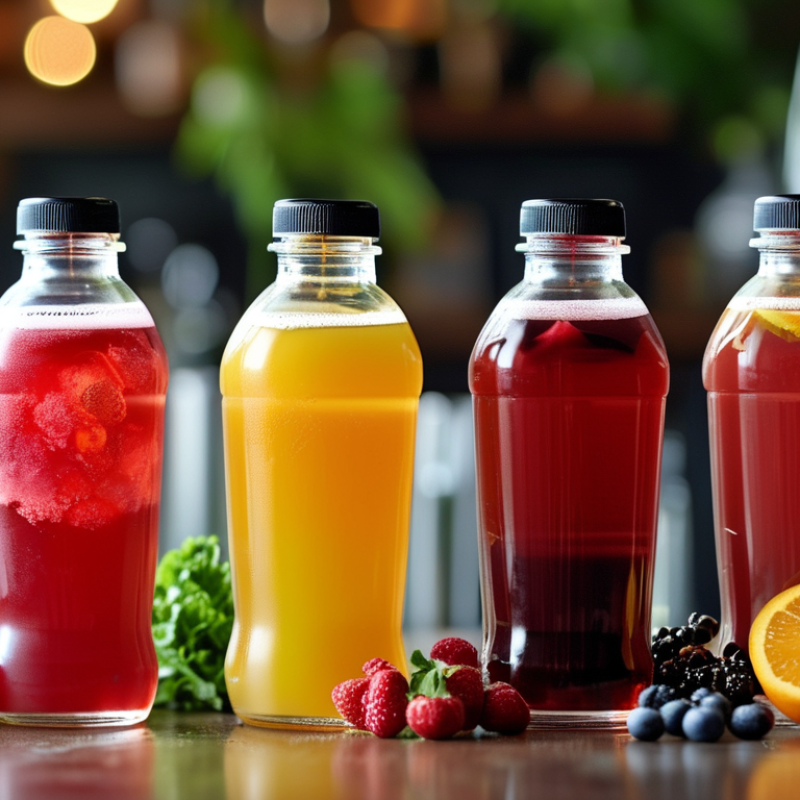
Understanding pH Levels in Beverage Formulations
Understanding pH levels in beverage formulations is crucial for taste, stability, and safety. pH affects flavor profiles significantly. For example, a low pH gives a tart taste, while a higher pH can create a flat flavor. Achieving the right balance requires careful consideration of ingredients and desired outcomes.
Tips for adjusting pH: Start by measuring the initial pH level. Use reliable pH meters for accurate results. Common pH adjusters include citric acid and sodium bicarbonate. Always add small amounts gradually. Testing often can ensure you don’t overshoot the desired pH level.
Storage conditions also influence pH. Keep formulations in stable environments to reduce pH shifts. Regular monitoring detects any changes over time. Sometimes, unexpected results appear due to ingredient interactions. Reflection on these factors helps refine future formulations and ensures consistent quality.
The Importance of pH Adjusters in Beverage Production
The importance of pH adjusters in beverage production cannot be overstated. They play a vital role in achieving the desired taste and stability of drinks. A beverage's pH directly affects flavor, preservation, and even safety. For instance, acidic beverages often taste crisper, while alkaline ones have a smoother mouthfeel. This balance is crucial for appropriate consumer palatability.
Choosing the right pH adjusters requires expertise in acidity and alkalinity. Many common adjusters can alter taste, color, and texture. Citric acid is popular for soft drinks, where it adds a refreshing tartness. However, overuse can lead to excessive sourness. Similarly, sodium bicarbonate balances pH but can impart a salty flavor if not carefully measured.
Producers must also consider the impact of pH on ingredient interactions. Some preservatives and flavoring agents react differently at varying pH levels. This reaction can enhance or diminish their effectiveness. A thorough understanding of these interactions is key to formulating a successful beverage. Therefore, producers should continuously reflect on the adjusters they choose, as each decision shapes the final product.
Types of pH Adjusters Used in Beverages
When formulating beverages, choosing the right pH adjusters is crucial. They help maintain the drink's stability, taste, and shelf life. The primary types of pH adjusters include acids and bases. Common acids are citric acid and phosphoric acid. These acids lower the pH and enhance flavor. Bases like sodium bicarbonate can raise the pH. This balance is vital for the final product.
Tips: Always measure carefully. A small amount can significantly affect taste. Consider the beverage type when selecting adjusters. Soft drinks may need different pH levels than juices. Conduct taste tests to ensure that the final product meets expectations.
Another factor to ponder is the consumer's perception. Some pH adjusters may alter taste or mouthfeel in unexpected ways. It's important to understand how these changes impact overall enjoyment. Transparency with consumers can build trust. Always list ingredients clearly. This helps consumers understand what they are drinking.
Ultimately, the choice of pH adjusters should reflect both the product's goals and the target audience's preferences. Experimenting with different combinations can lead to success. Prepare for the unexpected. Not all adjustments will yield favorable results. This trial and error can be a learning experience.
Factors to Consider When Choosing pH Adjusters
When selecting pH adjusters for beverage formulations, several critical factors must be considered. The desired flavor profile greatly influences pH choice. For example, a lower pH can enhance tartness, beneficial for citrus-flavored drinks. A report from the Beverage Industry states that beverages with a pH below 4.0 are perceived as more refreshing by consumers. This reflects the importance of pH in consumer perception and marketability.
Another key factor is the stability of the beverage. Certain acids, such as citric and malic acids, can provide stability and act as natural preservatives. You must also consider the interaction between pH adjusters and other ingredients. For instance, the presence of certain flavorings might require specific pH levels to maintain their integrity. According to a study by the International Journal of Food Science, improper pH can lead to off-flavors or even instability in products, highlighting the impact of these decisions.
Finally, regulatory guidelines cannot be overlooked. Various regions have specific regulations about what can be used as pH adjusters. Non-compliance may lead to product recalls or legal issues. Thus, understanding both consumer preferences and legal limitations is crucial for successful beverage formulation. Balancing these aspects while navigating limitations adds complexity to the process.
2026 How to Choose pH Adjusters for Beverage Formulations? - Factors to Consider When Choosing pH Adjusters
| pH Adjuster |
Source |
Recommended Usage Level (%) |
Impact on Flavor |
Solubility |
| Citric Acid |
Natural |
0.1 - 0.5 |
Sour, refreshing |
Highly soluble |
| Lactic Acid |
Fermented |
0.1 - 0.3 |
Slightly sour |
Highly soluble |
| Phosphoric Acid |
Mineral |
0.05 - 0.15 |
Neutral |
Moderately soluble |
| Malic Acid |
Natural |
0.1 - 0.4 |
Tart, fruity |
Highly soluble |
| Acetic Acid |
Fermented |
0.1 - 0.2 |
Tangy |
Highly soluble |
Best Practices for Utilizing pH Adjusters in Beverage Formulations
Choosing the right pH adjusters for beverage formulations is crucial for quality and stability. Different beverages require specific pH levels to enhance taste and shelf life. For example, acidic drinks often benefit from citric acid, while alkaline options might use sodium bicarbonate. Understanding the desired flavor profile is essential in determining the appropriate adjuster.
When selecting pH adjusters, consider the source and purity of the ingredient. High-quality, food-grade materials ensure safety and performance. Also, think about the sensory impact on the beverage. Some adjusters can alter taste, overriding the intended flavor. Testing in small batches can help identify the best option for each formulation.
Documentation of pH changes is vital. Regular monitoring allows for adjustments during production. Be mindful of the interaction between ingredients. Sometimes, an adjuster can create unforeseen reactions, affecting overall stability. Evaluating these aspects will lead to more reliable results and a better final product.
FAQS
: pH affects taste, stability, and safety. It significantly influences flavor profiles.
Begin with a pH measurement. Use reliable pH meters for accuracy. Always add adjusters gradually.
Common pH adjusters include acids like citric acid and bases like sodium bicarbonate.
pH affects the flavor and mouthfeel of beverages. Lower pH can enhance refreshment perceptions.
Consider flavor profile, stability, and ingredient interactions. Each choice impacts the final product.
Yes, some interactions may produce unexpected results. Reflection on these helps improve future formulations.
Prepare for trial and error. Analyze the process to learn from any mistakes made.
Transparency builds consumer trust and helps them understand what they are drinking.
Stable storage can minimize pH shifts. Regular checks are necessary to detect any changes.
Understanding regulations is crucial. Non-compliance can lead to recalls or legal problems.
Conclusion
In the process of beverage formulation, understanding pH levels is crucial, as they significantly impact flavor, stability, and safety. The importance of pH adjusters in beverage production cannot be overstated, as they help achieve the desired taste profile and ensure product longevity. Different types of pH adjusters, such as acids and bases, are utilized based on the specific requirements of each beverage.
When choosing pH adjusters, several factors must be considered, including the final taste, regulatory standards, and ingredient compatibility. This leads to the question: why do certain beverage formulations require specific pH adjusters? The answer lies in the unique interactions between ingredients, which determine how pH levels influence the overall quality of the beverage. Employing best practices in utilizing pH adjusters ensures that the desired sensory attributes and product stability are consistently achieved.

 Diaries Biotech