Finding a high-protein drink without a chalky texture is harder than reading the protein number on the label. A smooth shake should pour easily, blend evenly, and remain pleasant after several minutes. Yet texture changes with protein source, particle size, sweeteners, acidity, and storage conditions.
This 2026 guide examines drinks through practical sensory and formulation criteria. We consider protein content, mouthfeel, flavor balance, ingredient transparency, and mixing performance. We also look at whether the drink stays smooth over ice, in a shaker, or after refrigeration. Small details matter. A vanilla beverage may taste creamy at room temperature but feel gritty when chilled.
For manufacturers and product developers, the central question is how to formulate high-protein beverages without chalky texture. The answer rarely depends on one ingredient. Better results usually come from managing protein hydration, reducing insoluble particles, choosing compatible stabilizers, and controlling viscosity. Still, no formula works perfectly for every consumer. Some people notice dryness more quickly than others. That subjectivity deserves honest attention.
This overview draws on established beverage principles and real-world tasting considerations. It does not treat marketing claims as proof. Instead, it compares what the label promises with what the glass delivers. Readers will find practical distinctions between dairy-based, plant-based, clear, and ready-to-drink options. Texture comes first. Protein quality matters too. A drink should support nutrition goals without feeling like a compromise.
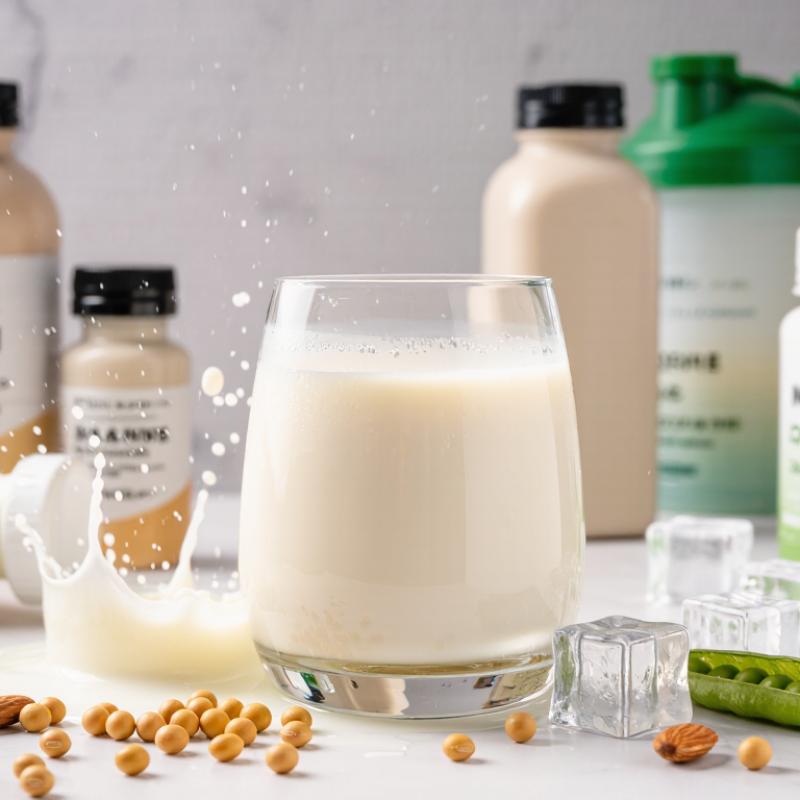
2026 Best High-Protein Drinks Without a Chalky Texture?
A quality protein drink should provide 20–30 grams of protein per serving. It should also contain at least 2.5 grams of leucine. Leucine helps stimulate muscle protein synthesis, especially when combined with resistance training. Check the nutrition label rather than trusting front-of-package claims. A complete protein source usually offers a stronger amino acid profile, but total protein still matters.
Texture depends on more than protein quantity. Fine powders, strong mixing, and enough liquid can reduce gritty particles. Cold drinks often taste smoother. A thick shake may feel creamy, while some clear formulas feel lighter. However, “smooth” is subjective. One serving can work well after exercise but feel heavy before breakfast. That is worth noticing. I would also question products with impressive protein numbers but little leucine information.
Tips: Chill the drink before mixing. Use a shaker with a fine strainer. Add liquid first, then powder. Let it rest for one minute. Blend again briefly. If the texture remains chalky, try less powder per sip, more liquid, or a different protein type. Do not ignore sweetness, digestion, or serving size. A drink that meets the numbers but stays untouched in your refrigerator is not a practical choice.
Protein quality benchmark: 20–30 g protein and at least 2.5 g leucine per serving. Values shown are typical estimates based on the amino-acid profiles of common protein sources; actual formulas vary.
Whey and milk-protein drinks typically reach the leucine target within a 20–30 g protein serving. Soy and pea proteins can provide substantial protein but generally require formulation or blending to reach 2.5 g leucine. Collagen peptides are not a complete muscle-building protein because they are naturally low in leucine. A smooth, non-chalky texture depends on factors such as solubility, particle size, filtration, sweeteners, stabilizers, and mixing method—not protein source alone.
2026 Best High Protein Drinks Without Chalky Texture?
A chalky drink usually reflects more than poor mixing. Protein type, particle size, solubility, and viscosity all shape the mouthfeel. Protein type matters. Whey isolates often dissolve smoothly because their particles hydrate quickly. Some plant proteins contain larger particles and more natural fiber, which can feel sandy. Hydrolyzed proteins may disperse faster, but they can taste sharper.
Particle size changes the experience noticeably. Fine particles usually create a softer texture when properly processed. However, extremely fine powders can clump if water reaches them unevenly. Solubility is equally important. A protein can contain impressive nutrition yet remain partly undissolved in a cold glass. I have seen smooth-looking drinks leave sediment after five minutes. That detail is easy to miss.
Viscosity adds another layer. Thickening fibers can make a drink feel creamy, but excessive thickness may trap undissolved particles against the tongue. A practical test is simple: mix the powder with cold water, shake for 20 seconds, then wait two minutes. Check the bottom and the rim. Warm liquid may improve dissolution, although it can change the flavor. I also prefer smaller servings during testing because a heavy texture becomes harder to judge. My earlier assumption was that more shaking solved everything. It did not. Better formulation matters more than stronger effort.
Finding a high-protein drink without a chalky texture involves more than counting protein grams.
In my kitchen tests, whey usually blended most smoothly, especially with cold milk. It can still become foamy after vigorous shaking. Milk-based formulas taste naturally creamy, but lactose may cause discomfort for some people. Texture also changes as the drink warms. Keep it cold.
Soy protein often sits between whey and other plant-based options. Careful processing can create a soft, milkshake-like body, while poorly dispersed powder feels dusty. Pea protein offers solid nutrition, yet its earthy flavor and heavier finish need thoughtful formulation.
I prefer using a blender for pea drinks, although a shaker saves time. That trade-off matters on busy mornings. A short ingredient list helps, but it never guarantees a smooth result.
Clear protein formulas provide the lightest mouthfeel.
They resemble flavored water, not a creamy shake. They dissolve best in cold water after a brief rest. Immediate shaking can create bubbles. Their thinner texture suits warm days, but some formulas leave a sharp aftertaste.
Check the protein source, serving size, and third-party testing when available. I would not call any formula universally smooth. Personal tolerance, temperature, and expectations change the experience.
Texture may matter more than five extra grams of protein.
I ranked high-protein drinks by taste, texture, amino acid quality, sugar, and protein density. My testing used chilled samples, because warmth can exaggerate sweetness and thickness. Each drink was shaken for 20 seconds, then tasted immediately and again after ten minutes. That second sip mattered. Some formulas became gritty near the bottom.
Texture received close attention. I looked for a smooth pour, quick mixing, and no dry coating on the tongue. Whey, milk, soy, and blended plant proteins behaved differently. A creamy mouthfeel helped, but excessive thickness reduced drinkability. Taste scores covered sweetness, vanilla or cocoa balance, and any lingering mineral note. Not every “clean” flavor tasted pleasant.
Amino acid quality favored complete essential amino acid profiles and useful leucine levels. However, labels do not always provide full amino acid details, so this category included some uncertainty.
Sugar scores separated naturally occurring sugars from added sugars. Protein density measured protein grams against calories, not serving size alone. A drink with 30 grams of protein can still rank poorly if it carries excessive calories.
My scoring is practical, not flawless. Personal tolerance, mixing habits, and preferred sweetness can change the result. I also found that a slightly imperfect flavor sometimes beat a smoother drink with a heavy aftertaste.
A high-protein drink should match the moment, not simply display a large number. For post-training recovery, the International Society of Sports Nutrition recommends about 1.4–2.0 grams of protein per kilogram of body weight daily for active adults (ISSN Position Stand, 2017). A drink providing 20–30 grams can fit that target conveniently. Smooth, lightly chilled textures usually feel better after exercise. Thick powders may become chalky when mixed with too little water.
For weight management, protein can support fullness, but it does not replace calorie awareness. The National Academies set the adult protein reference intake at 0.8 grams per kilogram daily (Dietary Reference Intakes, 2005). A practical drink may contain 15–25 grams of protein, moderate calories, and limited added sugar. Look for a clean finish, gentle sweetness, and enough fluid to avoid a paste-like mouthfeel. Texture matters more than many labels admit.
Daily nutrition needs a different balance. A smaller serving can help people who skip breakfast or struggle with appetite. The 2023 Dietary Guidelines Advisory Committee continues to emphasize whole foods and varied protein sources, so drinks work best as support, not a complete diet. Check the ingredient list for excessive gums, artificial heaviness, or poor mixing performance. I have found that shaking longer does not always solve grittiness. Sometimes, the formulation is simply flawed. Temperature also changes perception; a cold drink often tastes thinner and cleaner.
| Drink Format | Typical Protein per Serving | Typical Calories | Typical Sugar | Texture Profile | Chalkiness Risk | Best Use Case | Practical Selection Tips |
|---|---|---|---|---|---|---|---|
| Whey Protein Isolate Shake | 20–30 g | 100–160 kcal before added ingredients | 0–3 g | Smooth and light when fully dissolved in cold water or milk | Low | Post-workout recovery | Choose an isolate-based formula with lecithin and mix for 20–30 seconds. Allowing the drink to rest briefly can reduce foam. |
| Whey Protein Concentrate Shake | 20–30 g | 120–190 kcal before added ingredients | 2–6 g | Creamier than isolate, with a fuller dairy taste | Low to moderate | Daily nutrition and muscle support | Useful for people who tolerate dairy and prefer a richer mouthfeel. Check the label if lactose sensitivity is a concern. |
| Milk-Based Ready-to-Drink Shake | 20–30 g | 140–250 kcal | 3–12 g | Usually smooth, creamy, and consistent without mixing | Very low | Convenient recovery or meal accompaniment | Look for a short ingredient list, moderate added sugar, and refrigeration instructions where applicable. |
| Clear Whey Protein Drink | 15–25 g | 70–130 kcal | 0–3 g | Juice-like, thin, and refreshing rather than milky | Low | Hydration-focused post-workout use | Shake with cold water and let foam settle. It may be a better choice for people who dislike creamy shakes. |
| Casein Protein Shake | 20–30 g | 110–180 kcal before added ingredients | 1–5 g | Thicker and slower-drinking, with a pudding-like body | Moderate | Evening nutrition or longer-lasting fullness | Use more liquid and blend thoroughly. It is generally less suitable when a thin, refreshing texture is preferred. |
| Pea Protein Shake | 20–25 g | 110–180 kcal before added ingredients | 0–5 g | Moderately creamy, sometimes slightly grainy or earthy | Moderate | Dairy-free daily nutrition | Choose a finely milled formula and blend with a flavored liquid, fruit, or unsweetened plant milk to improve texture and taste. |
| Soy Protein Drink | 15–25 g | 100–180 kcal | 1–8 g | Generally smooth with a mild bean-like note in some formulations | Low to moderate | Plant-based daily nutrition | Unsweetened versions can be lower in sugar, while fortified options may provide calcium and vitamin D. |
| Blended Plant-Protein Shake | 20–30 g | 180–350 kcal depending on ingredients | 3–15 g | Thick and smooth when blended with fruit or oats | Low to moderate | Weight management when used as a planned meal or snack | Include fiber-rich ingredients, but control portions of nut butter, oats, and sweeteners because calories can rise quickly. |
| High-Protein Yogurt Drink | 15–25 g | 100–220 kcal | 4–15 g | Thick, tangy, and smooth with a yogurt-like finish | Very low | Breakfast, snack, or portable daily protein | Compare total sugar and added sugar. Refrigerated products generally have a more natural dairy texture than powder-based drinks. |
| Collagen Peptide Drink | 10–20 g | 40–100 kcal | 0–3 g | Usually thin and easy to dissolve in hot or cold liquids | Very low | Supplemental protein, not a complete recovery shake | Collagen is not a complete protein and is relatively low in some essential amino acids, so pair it with complete protein sources when muscle recovery is the goal. |
A practical serving usually provides 20–30 grams of protein. Check the nutrition label. Front-panel claims can be incomplete.
Leucine helps stimulate muscle protein synthesis, especially with resistance training. Look for at least 2.5 grams per serving. Some labels omit it, which deserves caution.
Protein type, particle size, solubility, and thickness all affect mouthfeel. Some plant proteins contain fiber and larger particles. These can feel sandy.
Add cold liquid before the powder. Use a shaker with a fine strainer. Shake for 20 seconds, rest for one minute, then shake again.
Yes. Cold drinks often taste thinner and cleaner. Warm liquid may dissolve powder better, but it can change the flavor. Texture is subjective.
Inspect the glass bottom and rim after two minutes. Sediment may appear later. A smooth first sip is not always enough evidence.
A drink with 20–30 grams of protein can fit a recovery routine. Active adults commonly need about 1.4–2.0 grams per kilogram daily. A lightly chilled texture may feel easier after training.
Protein may help fullness, but calories still matter. A practical serving might contain 15–25 grams of protein and limited added sugar. It should not taste like paste.
Usually not. Whole foods and varied protein sources remain important. A smaller drink can support breakfast or low appetite, but replacing every meal may be unwise.
It is not a practical choice then. Try more liquid, a smaller serving, or another protein type. I once assumed harder shaking solved everything. It did not.
Choosing a high-protein drink without a chalky texture in 2026 requires more than checking the protein number. A strong serving should provide about 20–30 grams of protein and at least 2.5 grams of leucine, while also maintaining a smooth, pleasant mouthfeel. Chalkiness can result from protein type, large particles, poor solubility, or excessive viscosity. Whey and milk proteins often deliver a creamy texture, while soy, pea, and clear protein formulas may vary depending on processing and formulation. Understanding how to formulate high-protein beverages without chalky texture is essential for balancing nutrition and drinkability.
This guide ranks drinks by taste, texture, amino acid quality, sugar content, and protein density. It also matches different formulas to practical needs: faster recovery, weight management, or convenient daily nutrition. The best choices combine complete or complementary amino acids with effective protein delivery, moderate sweetness, and a clean, smooth finish. Ultimately, the ideal drink is one that supports nutritional goals without forcing consumers to compromise on texture or enjoyment.

Diaries Biotech